
Halasana (Plow Pose): Steps Benefits and Precautions
Try halasana with Habuild. Learn halasana benefits like better flexibility, improved sleep, and relief from back pain. Master the yoga plow pose. Start today!
Key Takeaways
- Named after the traditional Indian plough whose curved shape the body mirrors in full expression.
- Jalandhara Bandha, the chin lock, is what makes this pose specifically effective for the thyroid.
- Vertebral traction from the inverted position decompresses discs forward folds cannot reach.
- Members managing thyroid conditions report it among the most impactful poses in their routine.
- The toes touching the floor behind the head place the torso fully perpendicular to the ground.
- Abdominal compression massages the transverse colon, liver, and spleen simultaneously.
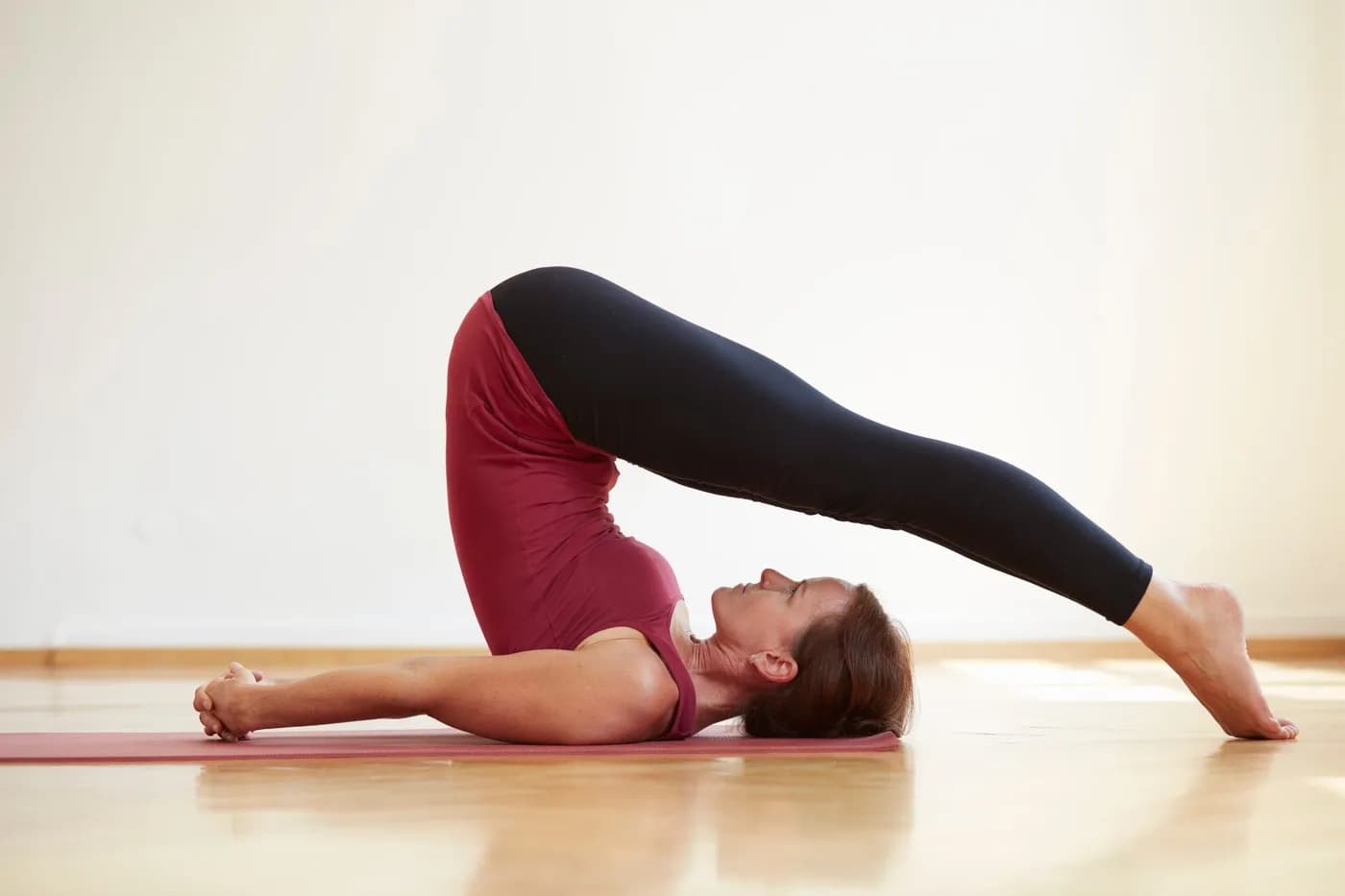
Halasana — the Plow Pose — is one of yoga's most powerful inversions and spinal flexion poses, named for the traditional Indian plough whose shape the body mirrors in the full expression of the pose. The halasana plow pose stimulates the thyroid gland through cervical compression, deeply stretches the posterior chain, decompresses the vertebral discs, calms the nervous system, and produces the abdominal compression that supports digestion and core strengthening. What is halasana beyond its dramatic visual form: it is among the most therapeutically complete single poses in the classical Hatha tradition.
What is Halasana?
Halasana — pronounced hah-LAH-sana — translates as Plow Pose (Hala = plow, Asana = pose). The traditional plough of Indian agriculture is a curved implement that turns over soil to prepare it for planting — and Halasana similarly turns the body over, placing the feet behind the head and the spine in complete flexion, inverting the practitioner and reversing the gravitational forces acting on the body.
In the halasana yoga practice, the practitioner begins lying on the back, then lifts the legs over the head until the toes touch the floor behind, the spine fully flexed and the torso perpendicular to the floor. The hands may rest flat on the floor for support or clasp together behind the back. The chin compresses against the sternum in Jalandhara Bandha — the throat lock that makes Halasana uniquely effective for thyroid stimulation.
At Habuild, Halasana is taught within our thyroid health and spinal mobility curriculum. Members managing thyroid conditions consistently report it as one of the most therapeutically impactful poses in their daily practice.
Halasana Benefits
Physical Benefits
- Stimulates the Thyroid Gland and Supports Hormonal Health The chin-to-chest compression of Halasana directly stimulates the thyroid gland through the Jalandhara Bandha throat lock — improving thyroid circulation and supporting the glandular function that governs metabolism, energy, and hormonal balance. This is one of the most specific and consistently cited halasana benefits, making it a cornerstone of hormonal yoga practice.
- Deeply Stretches the Posterior Chain and Decompresses the Spine The plow pose benefits for the spine include one of the deepest posterior chain stretches available in yoga — hamstrings, glutes, thoracic extensors, and the posterior neck all simultaneously lengthening in the full spinal flexion of the pose. The vertebral traction created by the inverted position decompresses the lumbar and thoracic discs in a way that upright forward folds cannot replicate.
- Supports Digestion and Abdominal Organ Function The deep forward fold compression of halasana yoga directly massages the abdominal organs — particularly the transverse colon, liver, and spleen. The inverted abdominal compression combined with the gravitational reversal stimulates digestive function, relieves constipation, and supports the detoxification of the abdominal cavity.
- Supports Weight Management and Metabolic Health Through its direct thyroid stimulation, abdominal compression, and the sustained effort of maintaining the inverted position, halasana for belly fat and halasana for weight loss benefits operate through the metabolic and hormonal improvements that the pose's endocrine stimulation produces. Consistent daily practice supports the metabolic rate and digestive efficiency that weight management depends on.
Mental and Emotional Benefits
- Profoundly Calms the Nervous System Halasana is among yoga's most calming inversions — the combination of inverted posture, spinal flexion, and throat lock producing a deep withdrawal of sensory awareness and a quieting of the nervous system that few other poses achieve. Practitioners consistently describe the quality of mental stillness that follows a sustained Halasana hold as one of the pose's most valued benefits of halasana yoga.
- Relieves Stress, Fatigue, and Mental Exhaustion The reversal of blood flow to the brain, the parasympathetic activation of the forward fold, and the nervous system calming of the inversion combine to produce a profound relief of mental fatigue and stress. The halasana benefits for hair growth are attributed to the improved scalp circulation that the inversion promotes. Members also managing yoga for anxiety and depression find Halasana one of the most immediately effective poses for stress relief.
How to Do Halasana — Step-by-Step Instructions
Key Principles
Key Principles Halasana must be entered slowly and with complete control — never thrown into. The neck must never bear the full weight of the body; the weight is distributed through the shoulders. Always warm up the cervical spine and posterior chain thoroughly before attempting the full halasana plow pose. Anyone with neck injury must practise the supported variation only.
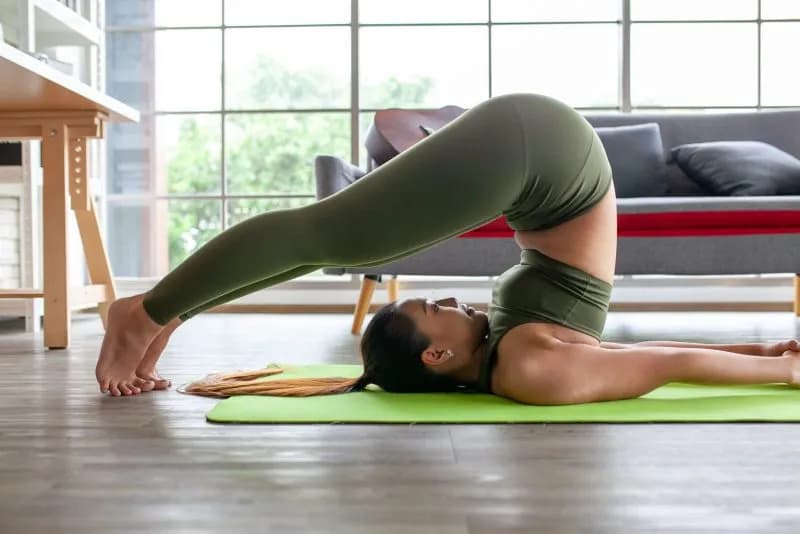
Step 1: Starting Position Lie on the back in Savasana. Arms flat beside the body, palms pressing into the floor. Take 5 full breaths to establish body awareness before beginning.
Step 2: Lift the Legs to 90 Degrees Exhale and engage the core — lifting both legs to 90 degrees, perpendicular to the floor. Hands press firmly into the floor throughout. The lower back remains on the floor at this stage.
Step 3: Lift the Hips and Extend the Legs Overhead Press the palms firmly and exhale — lifting the hips off the floor and swinging the legs overhead toward the floor behind the head. Support the lower back with the hands if needed, elbows pressing into the floor.
Step 4: Lower the Toes to the Floor Lower the toes to the floor behind the head. If the toes do not reach the floor, remain with the legs parallel to the floor — supported by the hands on the lower back. Never force the neck.
Step 5: Final Position and Hold Extend the arms on the floor behind the back, clasp the fingers, and press the upper arms down. The chin compresses the sternum in Jalandhara Bandha. The spine is in full flexion. Hold for 5–10 breaths, breathing slowly.
Step 6: How to Come Out of Halasana Release the hands to the floor. Inhale and slowly uncurl the spine — lowering the vertebrae one at a time from the upper back to the lower back. Lower the legs slowly to the floor. Lie in Savasana for at least 5 breaths before continuing.
Breathing in Halasana
Breathe slowly and evenly in the full pose — the chest compression reducing breathing volume, which is normal. Inhale through the nose, feeling the ribcage expand laterally. Exhale completely before the next inhale. Never hold the breath. The slow breathing in the inverted position amplifies the calming effect that makes halasana yoga uniquely restorative.
Preparatory Poses Before Halasana
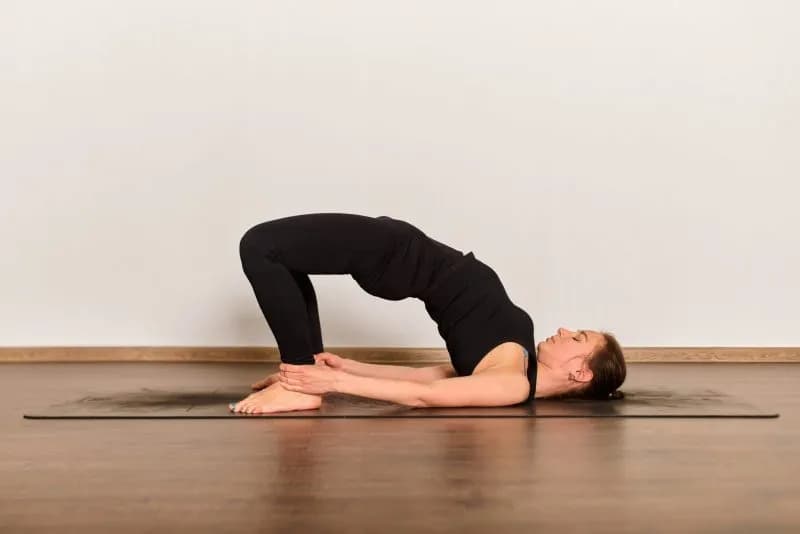
- Setu Bandhasana (Bridge Pose, 5 breaths) — Warms the cervical and thoracic spine through gentle extension before the deep flexion of Halasana.
- Supta Padangusthasana (Reclining Hand-to-Big-Toe, 5 breaths each side) — Opens the hamstrings before the posterior chain demand of the plow pose.
- Paschimottanasana (Seated Forward Fold, 5 breaths) — Establishes the deep posterior chain lengthening that Halasana requires in the inverted position.
- Sarvangasana (Shoulderstand, 1–3 minutes) — The natural preparation for Halasana — the shoulder and neck position of Shoulderstand translates directly into the correct support structure of the plow.
Variations of Halasana
- Variation 1: Supported Halasana with Chair — Beginner Place a chair behind the practitioner and lower the feet onto the seat of the chair rather than to the floor. This halasana steps for beginners variation removes the hamstring flexibility requirement and eliminates any neck compression while still providing the thyroid stimulation and spinal traction of the full pose. The most important beginner entry point for Halasana.
- Variation 2: Halasana with Folded Blanket Under the Shoulders — Therapeutic Folding two blankets under the shoulders lifts the shoulders and reduces the cervical compression significantly — protecting the neck while maintaining the full spinal flexion and thyroid compression of the pose. This variation is recommended for all practitioners with any cervical sensitivity.
- Variation 3: Parsva Halasana (Side Plow Pose) — Intermediate From the full Halasana, walk both feet to the right — the torso rotating and the spine experiencing a combined lateral flexion and rotation. Hold 5 breaths, return to centre, then walk to the left. This variation adds thoracic rotation to the posterior chain stretch and amplifies the abdominal organ massage effect.
Common Mistakes to Avoid in Halasana
- Throwing the legs overhead instead of controlled lifting Halasana must be entered with complete muscular control — the hips lifted and the legs lowered slowly. Throwing the legs over risks cervical strain and loss of control.
- The neck bearing the full body weight The weight of Halasana is distributed through the shoulders and upper arms — the neck should never compress under the body's full weight. Blankets under the shoulders prevent this.
- Forcing the toes to the floor when the hamstrings are not ready If the toes do not reach the floor comfortably, keep the legs parallel to the floor with hands supporting the lower back. The halasana procedure and benefits are fully accessible without full toe contact.
- Turning the head in the pose The head must remain completely still in Halasana — turning the head in the cervical compression position risks serious injury.
- Coming out too quickly Always exit Halasana slowly — lowering the spine one vertebra at a time. A rapid exit creates sudden blood pressure changes and risks cervical strain.
Who Should Practise Halasana?
- Those Managing Thyroid and Metabolic Conditions Halasana's direct thyroid gland stimulation through Jalandhara Bandha makes it one of the most therapeutically targeted poses for thyroid health. Regular practice supports thyroid circulation and glandular function as a complementary intervention alongside medical management.
- Those Seeking Back Flexibility and Spinal Decompression The posterior chain stretching and disc decompression of Halasana make it valuable for practitioners managing chronic back stiffness and the accumulation of spinal compression that lower back pain and long hours of sitting create.
- Is Halasana Good for Beginners? Halasana requires intermediate preparation — practitioners should have established a basic inversion practice through Sarvangasana and have open hamstrings before attempting the full pose. Halasana steps for beginners should always use a chair or wall support for the feet and blankets under the shoulders. Habuild's live instructors guide practitioners through the correct progression safely.
Make Halasana a Part of Your Practice
Halasana is among yoga's most therapeutically complete inversions — stimulating the thyroid, stretching the entire posterior chain, decompressing the spine, calming the nervous system, and supporting the metabolic and digestive health that the pose's abdominal compression uniquely produces.
Whether you are beginning with a chair support, building toward the full plow pose, or exploring the lateral variation of Parsva Halasana, consistent daily practice compounds the benefits significantly over weeks and months.
The safest and most effective way to learn Halasana — with correct shoulder support, controlled entry, and Jalandhara Bandha engagement — is under live guidance. Habuild's daily sessions provide exactly this.
Start your 14 day free yoga journey with Habuild, today!
Related reads: Ardha Halasana: Steps, Benefits & Precautions Guide · Best Yoga Pose for Neck: Steps, Benefits & Precautions
Plow Pose is often practiced toward the end of a session, and that placement matters — Halasana's effects on sleep and back tension tend to show up when it's part of a consistent wind-down routine rather than an isolated stretch. Flexibility in the hamstrings and spine builds the same gradual way. Habuild's Yoga Everyday program includes poses like this in guided daily sessions designed with that kind of structure in mind.
Frequently Asked Questions
Related Articles
Surya Namaskara: Steps Benefits and Daily Practice Guide
Explore Surya Namaskara with Habuild. Discover the powerful benefits of Surya Namaskara to boost energy, improve flexibility, and transform your health today!
Vajrasana: How to Do It Benefits and Precautions
Practice vajrasana pose with Habuild. Try vajrasana to ease digestion, reduce back pain, and calm your mind. Ideal for all levels. Start your session today!
Chakrasana (Wheel Pose): Steps Benefits and Safety Precautions
Practice Chakra Asana with Habuild. Follow the wheel pose steps to open your chest, strengthen your spine, and improve flexibility and hormonal health. Start!
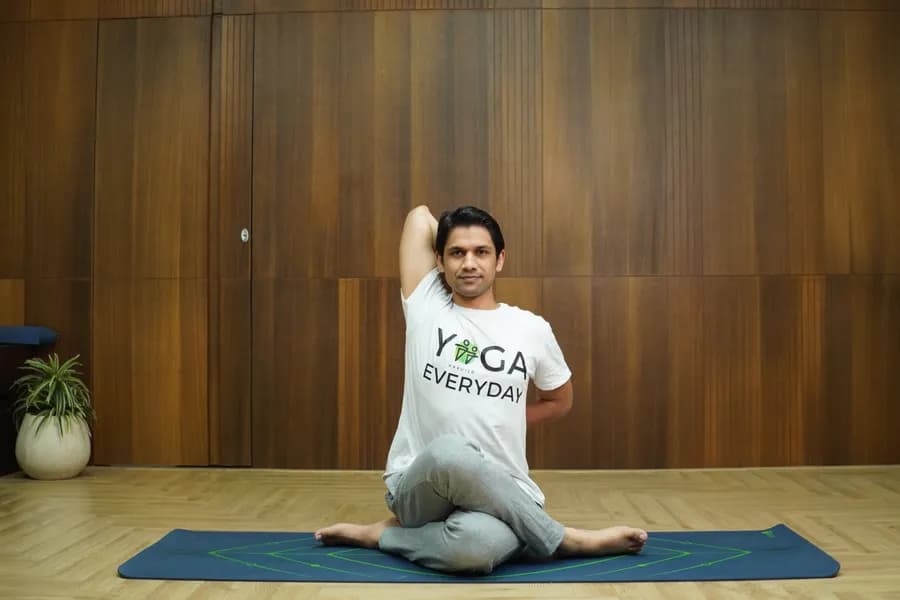
Gomukhasana (Cow Face Pose): Steps Benefits and Modifications
Practice gomukhasana with Habuild. Explore gomukhasana benefits to relieve shoulder tension, improve your posture, and enhance hip flexibility. Try it today!
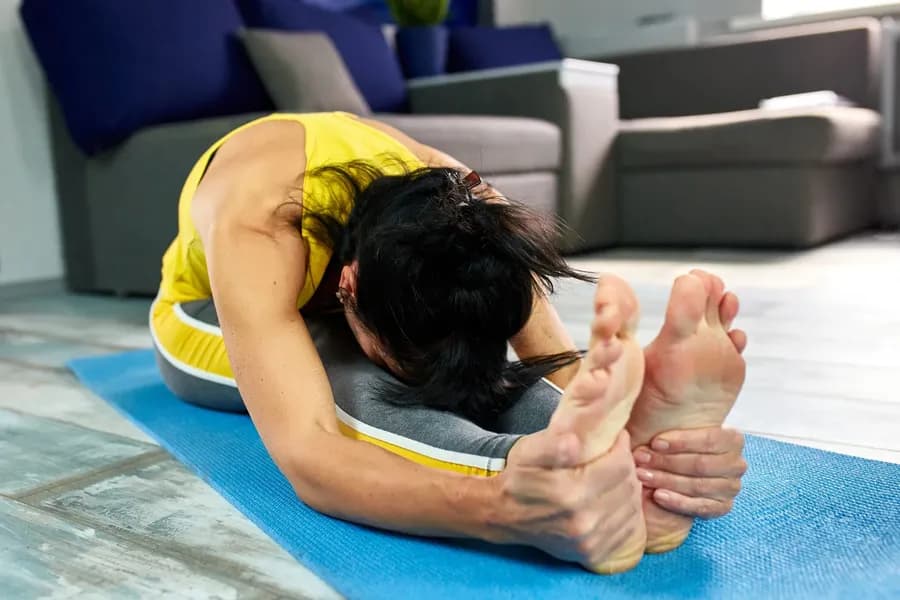
Paschimottanasana: Yoga Steps, Benefits & Tips
Paschimottanasana, the Seated Forward Fold, deeply stretches the entire posterior chain, stimulates the abdominal organs, calms the nervous system, and builds hamstring and spinal flexibility.

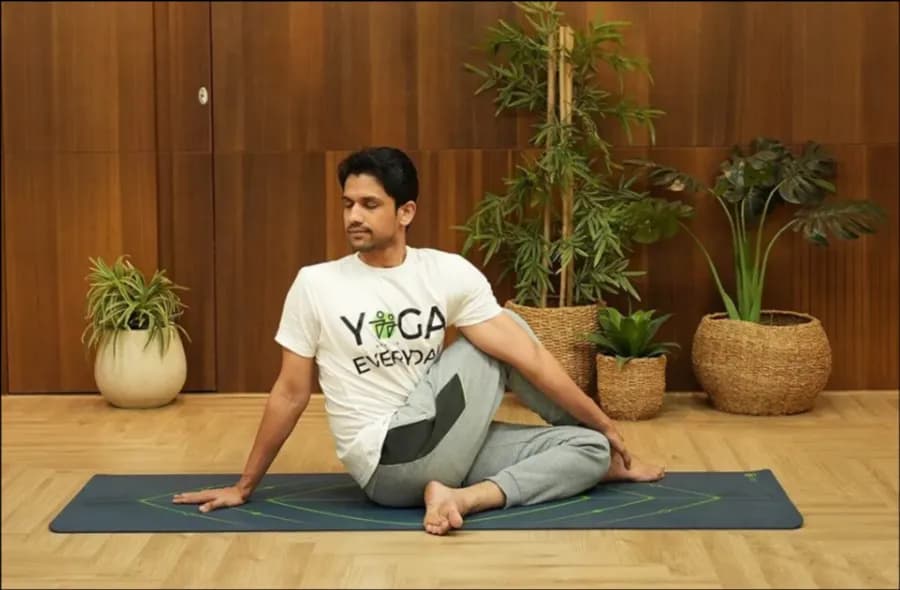
Ardha Matsyendrasana: Steps Benefits and How to Practice v2
Learn ardha matsyendrasana with Habuild. Discover ardha matsyendrasana benefits for spinal health, improved digestion, and flexibility. Start your practice now!