
Kapalbhati Pranayam: How to Practice Benefits and Precautions
Practice Pranayam Kapalbhati with Habuild. Follow the skull-shining breath steps to boost digestion, strengthen your core, and energise your body. Start today!
Key Takeaways
- Classified in classical texts as a Shatkarma cleansing practice, though widely taught as pranayama.
- A 10-minute session at 60-120 exhalations per minute delivers a sustained isometric core workout.
- Digestive improvement is reported by practitioners within just a single week of daily practice.
- Progressively strengthens the diaphragm and intercostals, improving forced expiratory volume.
- Produces metabolic effects compared to moderate-intensity cardiovascular exercise while seated.
- Inhalation occurs entirely passively as the abdominal wall recoils after each forceful exhale.
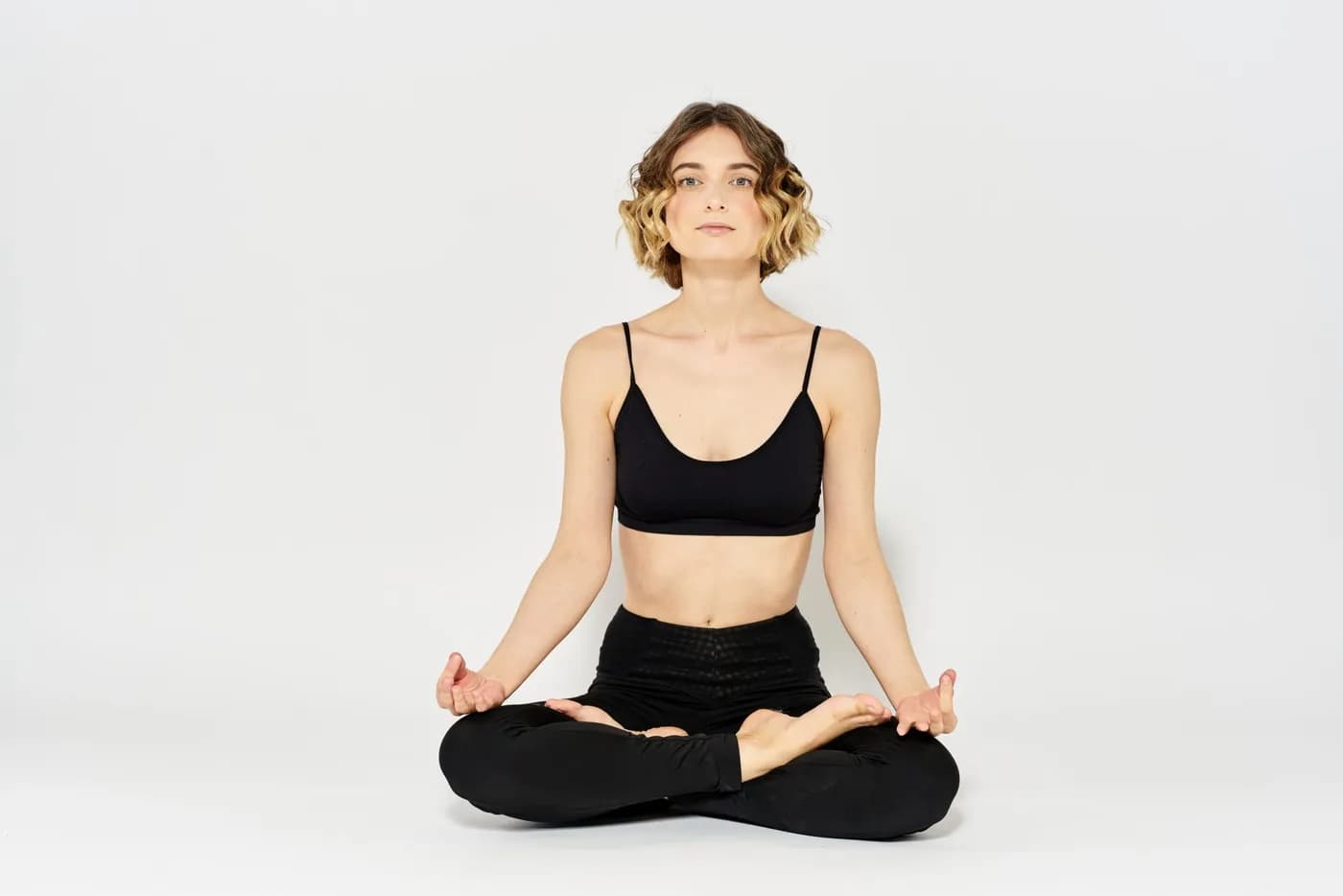
Pranayam Kapalbhati is a yogic purification and breathing practice in which forceful exhalations through the nose are produced by sharp abdominal contractions — with inhalation occurring passively. It stimulates digestion, activates the core, elevates the metabolic rate, improves respiratory function, and produces mental clarity and energy. One of yoga’s most powerful morning practices.
What is Pranayam Kapalbhati?
Pranayam Kapalbhati — also written as Kapalbhati Pranayama — derives from Sanskrit: Kapal (skull or forehead), Bhati (shining or illuminating), and Pranayama (breath control). The name translates as ‘skull-shining breath’ — referring to the traditional belief that this practice illuminates the face and brain by dramatically increasing oxygen supply and clearing the respiratory passages.
Kapalbhati is technically classified in classical Hatha yoga texts as a Shatkarma (purification practice) rather than a pranayama — but is widely taught as pranayama due to its profound respiratory effects. Its defining characteristic is the forceful, rhythmic exhalation through the nose produced by sharp abdominal contractions — with inhalation occurring passively as the abdominal wall recoils. This vigorous abdominal pumping simultaneously cleanses the respiratory tract, stimulates digestive organs, activates the core, and elevates metabolic rate.
At Habuild, Kapalbhati is taught as a foundational pranayama practice — introduced progressively with careful attention to the abdominal contraction technique, the pace, and the specific contraindications that make safe instruction essential.
Pranayam Kapalbhati Benefits
Physical Benefits
- Stimulates Digestion and Relieves Constipation The rapid, rhythmic abdominal contractions provide a direct mechanical massage of the digestive organs — stimulating the stomach, intestines, liver, and pancreas simultaneously. Practitioners report noticeable digestive improvement within a single week of consistent morning practice.
- Activates Core Muscles and Supports Weight Management Each forceful exhalation contracts the transverse abdominis, rectus abdominis, and obliques — providing a sustained isometric core workout. At 60–120 exhalations per minute, a ten-minute session provides significant core activation for abdominal health and body composition goals.
- Improves Respiratory Function and Lung Capacity The vigorous exhalations progressively strengthen the respiratory muscles — particularly the diaphragm and intercostals — improving forced expiratory volume and vital capacity over weeks of consistent practice.
- Elevates Metabolic Rate and Produces Internal Heat The dramatically increased respiratory rate and abdominal muscular effort generate significant internal body heat and elevate the metabolic rate — producing effects comparable to moderate-intensity cardiovascular exercise within a seated pranayama practice.
Mental Benefits
- Energises and Clears Mental Fog The dramatic increase in cerebral oxygenation creates a rapid, reliable elevation in mental clarity and alertness. Five to ten minutes of morning Kapalbhati produces cognitive clarity and energised focus without the subsequent energy crash of stimulants.
- Reduces Anxiety and Elevates Mood The full rhythmic breath cycle and sustained present-moment attention required to maintain the Kapalbhati rhythm activate both sympathetic and parasympathetic systems — producing the distinctive combination of calm alertness that makes it uniquely effective as a morning mental health practice.
How to Do Pranayam Kapalbhati — Step-by-Step Instructions
Key Principles
Key Principles Three foundational principles: the exhale is active, the inhale is passive — the abdominal wall contracts sharply on the exhale and releases passively for the inhale; the pace builds gradually — beginners start at one exhale per second and build toward two to three per second over weeks; and the face and shoulders remain relaxed throughout — any tension outside the abdominal wall signals the need to slow down.
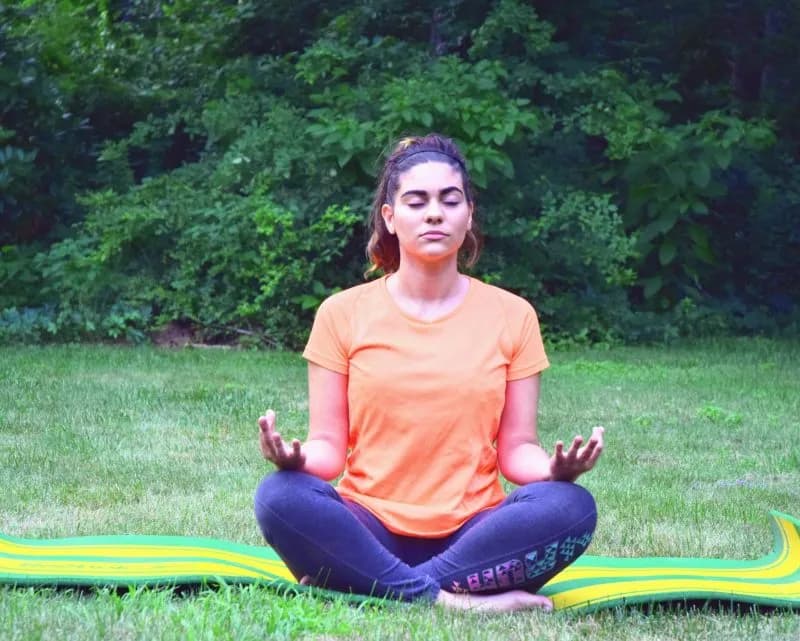
Pranayam Kapalbhati — Step by Step Step 1: Seated Starting Position Sit in Sukhasana or Vajrasana — spine tall, shoulders completely relaxed, hands on knees in Chin Mudra. The spinal uprightness is the structural foundation for effective abdominal movement.
Step 2: Full Inhalation to Begin Take a deep, full inhalation to begin — filling the lungs completely before the first exhalation pump.
Step 3: Sharp Abdominal Pump on the Exhale Exhale sharply through both nostrils by contracting the abdominal wall inward and upward — a quick, forceful pumping action. The exhalation is the only active element.
Step 4: Allow the Passive Inhalation Allow the inhalation to happen passively — the abdominal wall releases and air flows in naturally without effort. The practitioner does not breathe in; the body simply recoils.
Step 5: Build to 30 Pumps Per Round Repeat the exhalation pump rhythmically at one pump per second. Complete thirty pumps as one round. Rest in normal breathing for thirty seconds. Begin with three rounds.
Step 6: Rest, Observe, and Repeat After each round, close the eyes and observe the natural aftermath — the stillness, the warmth, the clarity. Build to sixty to one hundred twenty pumps per round and five to ten rounds over weeks of consistent practice.
Breathing in Kapalbhati
The breath pattern is deliberately asymmetric: the exhale is a short, sharp, decisive abdominal pump; the inhale is a complete, passive release. The practitioner’s attention should be entirely on the quality of the exhale — its sharpness, abdominal origin, and rhythm. The inhale takes care of itself when the exhale is correct. Forcing the inhale is the most common beginner error producing dizziness.
Preparatory Practices
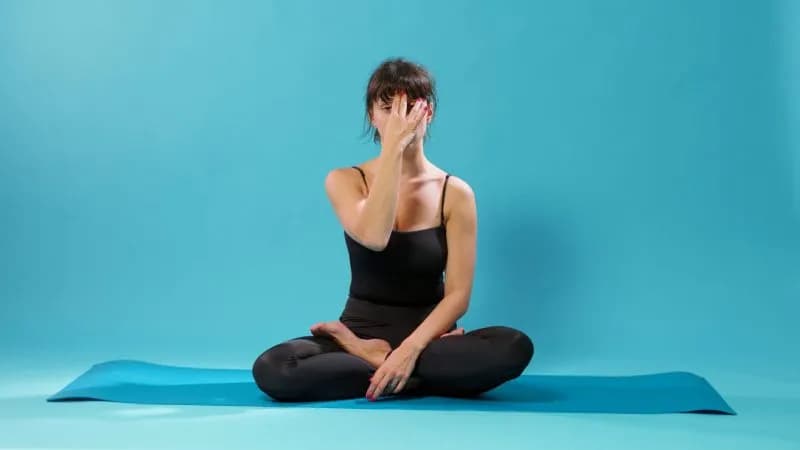
- Nadi Shodhana (5 minutes) — Balances the channels and settles the breath before the vigorous Kapalbhati practice.
- Abdominal awareness practice — Placing hands on the abdomen and practising voluntary abdominal contractions before adding the breath.
- Surya Namaskara (3 rounds) — Warms the respiratory muscles and core before Kapalbhati.
Variations
- Variation 1: Classical Kapalbhati — 30 Pumps, 3 Rounds (Beginner-Standard) Sixty pumps per round (or thirty for beginners), three rounds, thirty-second rest between rounds. The standard form for all new practitioners.
- Variation 2: Vigorous Kapalbhati — 120 Pumps, 5 Rounds The intermediate form producing significantly greater core activation, metabolic elevation, and respiratory strengthening.
- Variation 3: Kapalbhati with Bandhas — Advanced Integration Applying Moola Bandha and Uddiyana Bandha during Kapalbhati intensifies the abdominal and pelvic floor activation — the classical form described in Hatha yoga texts. Only after both the breath technique and the Bandha practices are individually established.
Common Mistakes to Avoid
- Forcing the Inhale The inhalation must be entirely passive — only the exhale is active. Forcing the inhale produces the hyperventilation and dizziness that incorrectly-practised Kapalbhati creates. Release the abdominal wall and allow the breath to enter without effort.
- Tensing the Shoulders and Face Only the abdominal wall should move in Kapalbhati. Shoulder heaving, facial tension, and neck strain are all signs that the pace is too fast or the abdominal technique is not yet established.
- Not Resting Between Rounds The thirty-second rest between rounds is an essential part of the practice — allowing the respiratory system to regulate and allowing the practitioner to observe the effects of the round before proceeding.
Who Should Practise?
- Those Seeking Digestive and Metabolic Benefits Kapalbhati is one of the most directly and immediately effective yoga practices for digestive health and metabolic activation — producing results practitioners feel within a single week.
- Those Working on Weight Management and Core Strength The direct abdominal activation, metabolic elevation, and digestive organ stimulation make it one of the most efficient daily practices for body composition alongside a complete yoga routine.
- Is Pranayam Kapalbhati Good for Beginners? Yes — with the beginner-pace three rounds of fifteen to thirty pumps. Building progressively over weeks as the abdominal technique becomes established is the correct approach.
Make Pranayam Kapalbhati a Part of Your Daily Practice
Pranayam Kapalbhati is yoga’s most powerful daily energising and digestive practice — its rhythmic abdominal pumping delivering metabolic activation, core strengthening, respiratory development, and mental clarity in five to ten minutes of morning practice that sets the tone for the entire day.
The most effective way to learn Kapalbhati correctly — with abdominal contraction technique, pace guidance, and contraindication awareness — is under live expert instruction with Habuild.
Start your 14 day free yoga journey with Habuild, today!
Related reads: Chandrabhedan Pranayam: How to Practice and Its Cooling Benefits · Kapalbhati Side Effects: Heart, Pranayama Risks & Safety Guide
Kapalbhati’s rapid exhalations are deceptively demanding on the core and the breath, so the technique tends to sharpen with paced, guided repetition rather than through sheer number of rounds. Practiced correctly and consistently, it plays a supportive role in digestion and core tone, but that only shows up with time, not a single burst of effort. Learning it with proper pacing and guidance — the kind built into Habuild’s Yoga Everyday program — is a safer way to keep it a daily habit rather than an occasional intense one.
Frequently Asked Questions
Related Articles
Suryabhedan Pranayam: How to Practice and Its Energy Benefits
Practice Suryabhedan Pranayam with Habuild. Follow the right nostril breathing steps to boost energy, improve circulation, and activate your body. Start today!
Chandrabhedan Pranayam: How to Practice and Its Cooling Benefits
Practice Chandrabhedan Pranayam with Habuild. Follow the left nostril breathing steps to calm your mind, cool your body, and improve sleep quality. Start today!
Pranayama Asana: A Guide to Breathing Poses Benefits and Practice
Practice Pranayama Asana with Habuild. Learn pranayama breathing types, steps, and benefits for lung health, stress relief, and daily vitality. Start today!