Power Yoga
A complete guide to Power Yoga, a dynamic, fitness-focused style adapted from Ashtanga for strength and fat loss.
Key Takeaways
- Developed in the late 1980s by Beryl Bender Birch and Bryan Kest
- Adapts Ashtanga Vinyasa for Western fitness audiences
- Retains breath-movement synchronisation and physical rigour
- More adaptable than the traditional fixed Mysore sequence
- Emphasises strength alongside flexibility
What is Power Yoga?
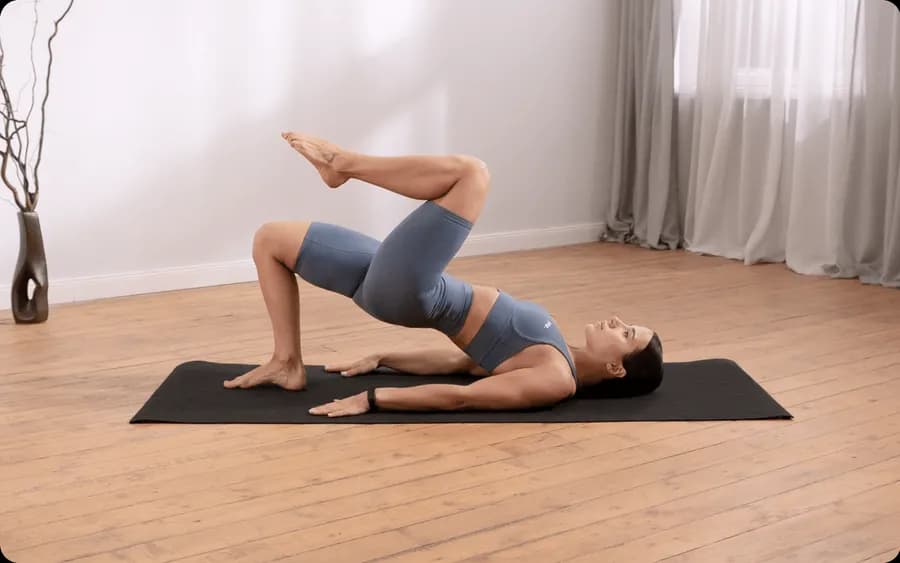
Power yoga is a dynamic, fitness-focused style of yoga developed in the West in the late 1980s — most prominently by Beryl Bender Birch and Bryan Kest — as an accessible adaptation of Ashtanga Vinyasa yoga for Western fitness audiences. It retains the breath-movement synchronisation (vinyasa) and physical rigour of Ashtanga while removing the fixed sequence, making it more adaptable and varied than the traditional Mysore style. Power yoga is characterised by its emphasis on strength alongside flexibility, higher-intensity transitions, and a workout-level cardiovascular demand. Power yoga classes near me and power yoga asanas are among the most searched yoga terms in India — reflecting the growing popularity of yoga as a genuine fitness modality rather than purely a flexibility or meditation practice. Power yoga bridges the gap between yoga and conventional fitness training: it develops the cardiovascular conditioning, muscular strength, and body composition improvements of a gym workout while simultaneously building the flexibility, breath awareness, and mindfulness that conventional fitness cannot provide. Habuild's power yoga sessions are structured around compound, breath-synchronised movement flows that challenge strength, balance, and endurance — delivered with the real-time corrections and progressive programming of a high-quality fitness class.
Power Yoga Benefits
Physical: Burns Calories and Builds Lean Muscle Simultaneously
A 60-minute vigorous power yoga session burns 400–600 calories while simultaneously activating all major muscle groups through compound bodyweight movements. Unlike cardio (which burns calories without building muscle) or weightlifting (which builds muscle without cardiovascular benefit), power yoga produces both simultaneously.
Physical: Develops Functional Strength and Athletic Performance
Power yoga asanas — Chaturanga, Warrior III, Crow Pose, handstand progressions — build the compound functional strength that transfers to every athletic and daily activity. Power yoga for strength specifically produces the shoulder, core, and lower body stability that gym isolation exercises cannot replicate.
Physical: Improves Flexibility Without Compromising Strength
Power yoga's dynamic approach to flexibility — moving through ranges of motion under load rather than passive stretching — produces the "strength through length" adaptation that is the most functional form of flexibility improvement available.
Mental: Builds Mental Toughness and Focus Under Physical Stress
Holding challenging power yoga poses through physical fatigue — while maintaining breath awareness and precise alignment — builds the mental resilience that transfers directly to professional, athletic, and interpersonal challenges.
Mental: Stress Relief Through Vigorous Physical Exertion
The intensity of power yoga produces a significant endorphin and BDNF (brain-derived neurotrophic factor) release that reduces depression, improves mood, and produces the "post-workout high" associated with vigorous exercise — plus the additional cortisol reduction specific to yoga practice.
Research: 8 weeks of power yoga produced significant improvements in muscular strength (+24%), cardiovascular fitness (+18%), and body fat percentage (-4.2%) — Sports Medicine Journal, 2019.
How to Do Power Yoga — Step-by-Step
Key Principles: Breath, Bandhas, and Intensity
Power yoga is built on three principles: Breath synchronisation — every movement linked to an inhale or exhale; Bandha engagement (particularly Uddiyana Bandha — the abdominal lock — which stabilises the core through all transitions); and Intensity calibration — working at 70–80% of maximum effort throughout, not 100% effort that breaks form.
Step 1: Dynamic Warm-Up (5 minutes)
3 rounds of Surya Namaskar A — establishing breath, heat, and movement connection before the intensity increases. Not a slow practice warm-up but a genuinely cardiovascular opening.
Step 2: Standing Power Sequence
Warrior I (hold 5 breaths) → Warrior II → Reverse Warrior → Extended Side Angle → Warrior III → Standing Split. The standing sequence builds the lower body strength and cardiovascular intensity of the session. Transitions between poses add power yoga's characteristic physical challenge.
Step 3: Core Power Sequence
Plank → Side Plank (both sides) → Boat Pose (Navasana) → Hollow Body → Leg Raises. Core power yoga asanas build the abdominal and spinal stability that supports all other power yoga movements and transfers to all athletic activity.
Step 4: Arm Balance Progressions
Crow Pose (Bakasana) preparation → Crow hold → Side Crow progression. Arm balances are signature power yoga poses — developing upper body strength, core engagement, and the focused mental presence required to balance on the hands.
Step 5: Cool-Down and Flexibility Work
Hip openers (Pigeon Pose), spinal twists (Ardha Matsyendrasana), forward folds (Paschimottanasana). The cool-down is when the flexibility gains of power yoga occur — warm muscles are most receptive to lengthening.
Step 6: Shavasana (5–10 minutes)
Complete rest. The integration and recovery phase — as important in power yoga as in any other style. The nervous system requires this quiet period to consolidate the physical and neurological adaptations of the session.
Breathing in Power Yoga
Ujjayi breath (ocean-sound nasal breathing) throughout the session. In high-intensity transitions, the breath may quicken but should never become gasping or mouth-breathing. If breath control is lost, pause in Child's Pose until it is re-established. The breath is the pacing mechanism — not the clock or the instructor.
Preparatory Poses for Power Yoga
Strong Plank Hold (30–60s): Build the wrist, shoulder, and core strength required for Chaturanga and arm balances.
Chaturanga Dandasana (knees down): Master the alignment before attempting full Chaturanga — the most common power yoga injury source.
Malasana (Garland Pose): Develops the ankle and hip mobility required for Crow Pose and deep squat transitions.
Variations of Power Yoga
Power Yoga for Beginners Modified
Knees-down Chaturanga, blocks for forward folds, skip arm balances — all the strength and cardiovascular benefit without the injury risk of premature advancement of premature advancement.
Power Yoga for Weight Loss High intensity
Circuit-format power yoga — 30 seconds of vigorous flow, 10 seconds of transition, minimal rest — maximising caloric expenditure and EPOC for fat loss goals.
Power Yoga Asanas — Advanced Practice Advanced
Full arm balances (Bakasana, Eka Pada Koundinyasana), advanced backbends (Kapotasana), and inversion flows (Handstand, Forearm Stand) for practitioners with established strength foundations.
Common Mistakes in Power Yoga
Prioritising Intensity Over Technique
Rushing through power yoga flows with collapsing form produces injury without additional fitness benefit — the opposite of the intended outcome.
Fix: Reduce the pace by 20% and maintain perfect form throughout. A technically correct power yoga session at 70% intensity produces greater results than a sloppy session at 100%.
Skipping the Cool-Down
Stopping immediately after vigorous power yoga without cool-down allows blood to pool in the lower extremities and prevents the flexibility gains that warm muscles would otherwise provide.
Fix: Always include 10 minutes of hip openers and forward folds after the vigorous portion — this is when the session's flexibility benefit primarily occurs.
Treating Power Yoga as Only a Fitness Class
Practising power yoga without breath awareness, Drishti, and mindful engagement reduces it to aerobic exercise and eliminates the neurological and psychological benefits that distinguish yoga from conventional fitness training.
Fix: Maintain Ujjayi breath and Drishti throughout the session regardless of intensity. These practices are what make the difference between yoga-fitness and just fitness.
Who Should Practise Power Yoga?
Those Seeking Body Composition Change
Power yoga combines caloric expenditure (400–600 cal/session), lean muscle building, and cortisol reduction in a single practice — the three-mechanism combination that produces the most effective body composition change of any single exercise modality.
Is Power Yoga Good for Beginners?
With modifications (knees-down Chaturanga, skip arm balances), yes. Habuild's beginner power yoga sessions specifically use the modified approach that makes the practice safe and accessible from day one.
Athletes and Active Individuals
Power yoga builds the functional strength, flexibility, and breath control that enhances performance in all sports — while providing the recovery-enhancing hip opening and spinal decompression that active lifestyles require.
Those Who Have Found Gym Training Unsatisfying
Power yoga provides the physical challenge of gym training alongside the mindfulness and breath-centred practice of yoga — for those who need both intensity and depth in their practice.
Start Power Yoga Training — — 14-Day Free Trial
50,000+ members · Live daily sessions · Expert corrections · Cancel anytime
Flexible Batch Timing
Choose morning or evening classes and join the slot that suits your day.
Morning
6:30 AM
7:30 AM
8:30 AM

Evening
5:00 PM
6:00 PM
7:00 PM

Meet Your Trainer

Saurabh Bothra
Founder, Habuild
Your Yoga is guided by one of India's most qualified instructors When you join Habuild’s online yoga classes, you learn directly from one of India’s most qualified and experienced yoga instructors — Saurabh Bothra.
Choose Your Membership Plan
Continue after the trial with membership options designed for long-term consistency support.
Continue your habit on the Habuild app
Use the Habuild app for reminders, live access, progress support, and habit tracking.