Exercises for Knee Pain
A daily joint mobility practice for knee pain that eases discomfort through therapeutic, accessible yoga.
Key Takeaways
- Addresses arthritic and everyday knee pain
- Uses therapeutic yoga for chronic conditions
- Makes joint mobility practice accessible daily
- Guided by senior instructor Saurabh Bothra's live classes
- Focuses on conditions modern medicine often struggles with
What Are Exercises for Knee Pain?
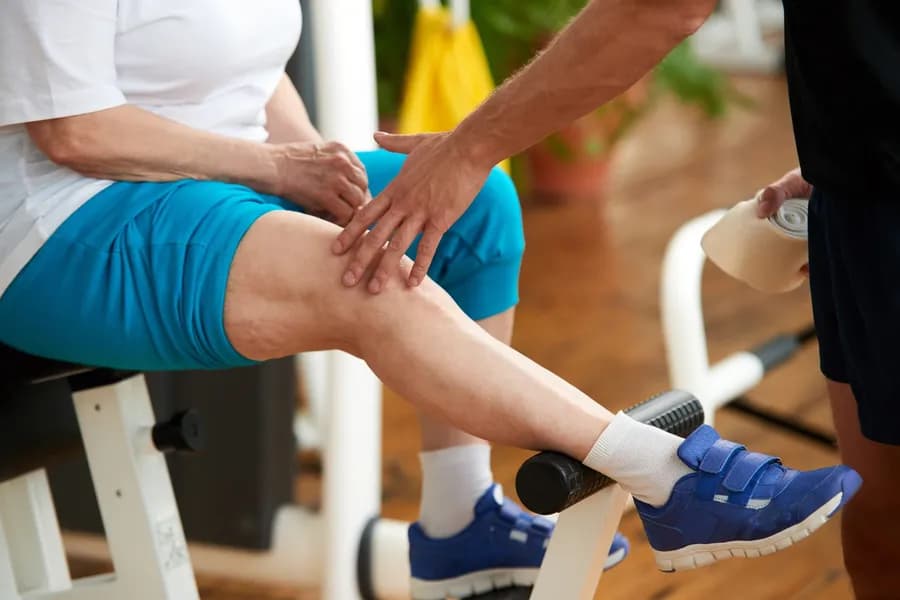
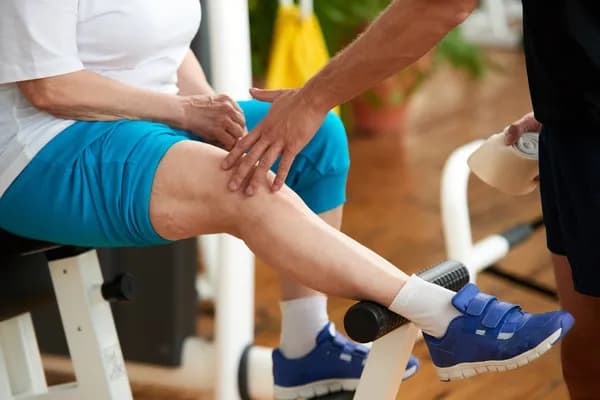
Exercises for Knee Pain are a targeted category of movement specifically chosen to address the physical demands and goals associated with knee pain.
Unlike general fitness workouts designed for weight loss or cardiovascular health alone, these are purposeful exercises — each selected because it directly builds the strength, mobility, or conditioning that knee pain requires.
At a physiological level, exercises for knee pain work by progressively loading and adapting the muscles, joints, and connective tissue most relevant to knee pain.
This targeted approach produces faster, more measurable results than general exercise because every session is building exactly the physical capacity you need.
Research consistently shows that structured, targeted exercise programmes produce significantly better outcomes for knee pain than unstructured activity — because the specificity of the training matches the specificity of the goal.
Habuild’s programme applies this principle to every session.
Benefits of Yoga for Knee Pain (Exercises)
Strengthens Quadriceps & Glutes The quads and glutes are the shock absorbers for the knee. Strong quads reduce joint loading by 30–40%, which is why strengthening them is the single most effective intervention for knee pain. Improves Hip & Ankle Mobility Poor mobility in neighbouring joints forces the knee to compensate, overloading it. Hip openers and ankle mobility drills restore natural movement and offload the knee. Reduces Inflammation & Joint Stiffness Gentle movement pumps synovial fluid through the knee joint, lubricating it and reducing inflammation. Morning stiffness typically reduces within 2–3 weeks of daily practice. Improves Balance & Prevents Falls Especially critical for adults over 50. Strong knees, hips, and core work together to prevent the falls that lead to hip fractures. Complements yoga for leg pain practice beautifully. Rebuilds Confidence & Independence Beyond the physical
being able to climb stairs, walk in the park, sit on the floor with grandchildren — that’s what restoring knee function really gives back.
What to Eat to Support Your Knee Pain — Nutrition Pairing
Protein — The Foundation of Knee Pain Training
Aim for 1.6–2.0g of protein per kg of bodyweight per day. Best sources include eggs, paneer, lentils (dal), chicken, Greek yoghurt, and whey protein. Distribute protein evenly across 3–4 meals rather than loading it all in one sitting. Adequate protein is non-negotiable — without it, training effort produces minimal adaptation regardless of programme quality.
Carbohydrates — Fuel for Knee Pain Performance
Complex carbohydrates (oats, brown rice, sweet potato, whole wheat roti) should form 40–50% of total calories. Consume a carbohydrate-containing meal 60–90 minutes before your exercises for knee pain session to ensure glycogen availability. Post-session carbohydrates restore muscle glycogen within the critical 30-minute recovery window.
Anti-Inflammatory Foods for Recovery
Include turmeric (with black pepper for bioavailability), ginger, and omega-3 rich foods (flaxseeds, walnuts, fatty fish) daily. These directly reduce the systemic inflammation that accumulates with consistent training, speeding recovery between sessions.
Hydration — Often Underestimated
Aim for 35–40ml of water per kg of bodyweight daily. Add an additional 500ml for every 30 minutes of active training. Even mild dehydration (2% body weight) measurably reduces strength output and exercise capacity.
Week 1-2: Initial Changes
Reduced morning stiffness, easier movement getting up from chairs Week 3-4: Noticeable Improvements 30–40% pain reduction, ability to climb stairs more comfortably Month 2-3: Significant Transformation Significant pain reduction, improved range of motion, longer walks possible Month 4+: Lasting Lifestyle Change Near pain-free function — stairs, walking, sitting cross-legged, and daily activities restored
Best Yoga Poses (Asanas) for Knee Pain (Exercises)
Bridge Pose (Setu Bandhasana) Strengthens the glutes and hamstrings without loading the knee joint. One of the safest and most effective knee-supporting exercises. Hold for 30 seconds, repeat 3 rounds. Difficulty: Beginner. Mountain Pose (Tadasana) Teaches correct standing alignment, which directly reduces knee stress. Most knee pain improves with correct posture alone. Difficulty: Beginner. Wall Sit / Partial Chair Pose (Utkatasana against wall) A knee-safe quad strengthener. Slide down a wall to a 45-degree bend, hold for 20–30 seconds. Progress gradually. Difficulty: Beginner. Reclining Hand-to-Big-Toe (Supta Padangusthasana) With a strap, this pose strengthens the quads and improves hamstring flexibility without bearing weight on the knees. Difficulty: Beginner. Warrior II (Virabhadrasana II
modified) With modifications (shorter stance, gentler bend), this pose strengthens the entire leg chain that supports the knee. Difficulty: Beginner to Intermediate. Triangle Pose (Trikonasana) Strengthens the legs through full range of motion while improving hip mobility — offloading the knee. Difficulty: Beginner. Reclining Leg Raises (Supta Padangusthasana variations) Non-weight-bearing leg raises that strengthen the quads directly. Perfect for days when the knee is inflamed. Difficulty: Beginner.
Common Mistakes to Avoid in Exercises for Knee Pain
Training Without Progressive Overload
Repeating the same exercises at the same intensity week after week is the single most common reason exercises for knee pain training stops producing results after the initial adaptation phase. The body adapts within 4–6 weeks — after that, without progressively increasing challenge, no further adaptation occurs. Add reps, reduce rest, or increase resistance every 1–2 weeks.
Skipping Recovery and Expecting Daily Improvement
Adaptation happens during rest, not during the session itself. Training exercises for knee pain without adequate sleep (7–9 hours) and recovery between sessions breaks down tissue faster than it rebuilds. Soreness that persists more than 48 hours signals that recovery is insufficient.
Prioritising Quantity Over Movement Quality
Performing high volumes of knee pain training with poor form overloads the wrong structures and trains movement compensations that accumulate into injury over time. Every repetition should be technically sound — reduce volume before reducing quality.
Neglecting Nutrition to Support the Training Load
Without sufficient protein (1.6–2.0g per kg bodyweight), the training stimulus cannot produce meaningful adaptation regardless of session quality. Nutrition is not optional — it is half of the equation.
Who is Yoga for Knee Pain (Exercises) Best Suited For?
Complete Beginners
You do not need any prior yoga experience. Every Habuild session for knee pain begins with foundational movements and builds gradually, with live modifications for every body type and ability level. Working Professionals with Busy Schedules 45-minute live classes across morning and evening slots fit around demanding work calendars. Thousands of Habuild members juggle demanding careers and daily practice — the format is designed for real life. People Who Have Tried Other Methods Without Success If painkillers, diets, gym workouts, or pre-recorded videos have not delivered the results you want for your knee pain, live daily yoga may be the missing piece. The combination of community, consistency, and expert guidance is what creates lasting change. Anyone Looking for a Sustainable, Long-Term Solution Yoga is not a 30-day fix — it is a way of living. Members who practise with Habuild regularly carry the benefits forward for years, not weeks. If you are ready to build a sustainable daily rhythm, you are in the right place.
How Habuild's Live Yoga Classes Help with Knee Pain (Exercises)
Daily Practice Builds Lasting Results Consistency is the single biggest predictor of success with any condition-focused yoga practice. Habuild delivers 6 live classes every week, creating the daily rhythm that transforms knee pain over months of steady effort — not quick fixes. Live Guidance for Correct Form Unlike pre-recorded videos, Habuild’s instructors watch your form on camera and correct alignment in real time. This is especially critical for knee pain, where incorrect form can delay results or cause discomfort. Community Accountability Keeps You Consistent Join 11 million+ fellow practitioners across the Habuild community. Members cheer each other on, share progress, and keep each other accountable — the hidden reason so many Habuild members stick with practice for years while most online programs fail within weeks. Sessions Designed for All Fitness Levels Whether you are a complete beginner or an experienced practitioner, Habuild’s 45-minute sessions offer modifications for every body. Start exactly where you are. See our daily online yoga classes page for schedule details.
Flexible Batch Timing
Choose morning or evening classes and join the slot that suits your day.
Morning
6:30 AM
7:30 AM
8:30 AM

Evening
5:00 PM
6:00 PM
7:00 PM
8:00 PM


Choose Your Membership Plan
Continue after the trial with membership options designed for long-term consistency support.
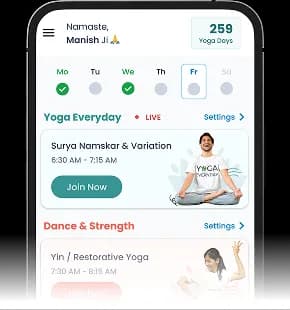
Continue your habit on the Habuild app
Use the Habuild app for reminders, live access, progress support, and habit tracking.