Exercises for rib pain address the two most common causes of non-cardiac rib pain: costochondritis (inflammation of the cartilage connecting ribs to the sternum) and intercostal strain (overuse or injury to the muscles between the ribs).
Both respond to gentle mobility exercises, specific breathing techniques, and posture correction that reduces the compressive loading on the rib-sternal and intercostal structures.
The mechanism involves both decompression and tissue healing: lateral stretches and thoracic extension create space in the intercostal muscles that compression worsens; breathing exercises provide gentle rib cage mobilisation that prevents the stiffness that makes costochondritis pain chronic; and postural correction reduces the forward slump that compresses the anterior rib-sternal joints.
Benefit: Reduces Costochondritis Pain
Gentle thoracic mobility exercises and specific breathing patterns reduce the costochondral joint inflammation through improved local circulation and the mechanical decompression of the irritated cartilage. Most practitioners notice significant pain reduction within 2–3 weeks of consistent daily gentle exercise.
Benefit: Reduces Intercostal Muscle Tightness
Lateral stretches and breathing exercises directly lengthen and mobilise the intercostal muscles — reducing the chronic tightness that causes persistent rib pain in intercostal strain and poor posture.
Benefit: Improves Thoracic Mobility and Breathing
Rib pain significantly restricts breathing depth — the pain causing shallow breathing that perpetuates chest tightness and reduces lung function. Gentle mobility exercises restore normal breathing mechanics.
Protein — The Foundation of Rib Pain Training
Aim for 1.6–2.0g of protein per kg of bodyweight per day. Best sources include eggs, paneer, lentils (dal), chicken, Greek yoghurt, and whey protein. Distribute protein evenly across 3–4 meals rather than loading it all in one sitting. Adequate protein is non-negotiable — without it, training effort produces minimal adaptation regardless of programme quality.
Carbohydrates — Fuel for Rib Pain Performance
Complex carbohydrates (oats, brown rice, sweet potato, whole wheat roti) should form 40–50% of total calories. Consume a carbohydrate-containing meal 60–90 minutes before your exercises for rib pain session to ensure glycogen availability. Post-session carbohydrates restore muscle glycogen within the critical 30-minute recovery window.
Anti-Inflammatory Foods for Recovery
Include turmeric (with black pepper for bioavailability), ginger, and omega-3 rich foods (flaxseeds, walnuts, fatty fish) daily. These directly reduce the systemic inflammation that accumulates with consistent training, speeding recovery between sessions.
Hydration — Often Underestimated
Aim for 35–40ml of water per kg of bodyweight daily. Add an additional 500ml for every 30 minutes of active training. Even mild dehydration (2% body weight) measurably reduces strength output and exercise capacity.
Before You Begin — Setting Your Baseline
Before beginning, assess your current fitness level honestly. Can you complete 10 bodyweight squats with good form? Can you hold a plank for 20 seconds? These are the practical baselines for this programme. Set a specific, measurable goal — not just ‘get stronger’ but ‘complete all sessions consistently for 8 weeks’. Identify what space and equipment you have available.
Week 1–2: Foundation and Form
Focus entirely on movement quality, not load or intensity. Every exercise should be performed through full range of motion with controlled tempo. Use this phase to build the motor patterns that make exercises for rib pain training safe and effective long-term. 3 sessions per week is the optimal starting frequency — enough stimulus for adaptation, enough recovery to avoid overuse.
Week 3–4: Building Progressive Load
Once form is consistent, introduce progressive overload by adding 1–2 reps per set or a small increase in resistance each week. Track your sessions in a simple log — date, exercises, sets, reps. This data tells you exactly when to progress and prevents both undertraining and overtraining.
Ongoing: Consistency Over Intensity
The single biggest determinant of rib pain results is session consistency over 8–12 weeks. Missing one session is inconsequential; missing two consecutive weeks disrupts adaptation. Habuild’s live daily sessions are specifically designed to remove the decision-making barrier — the session is always there, always structured.
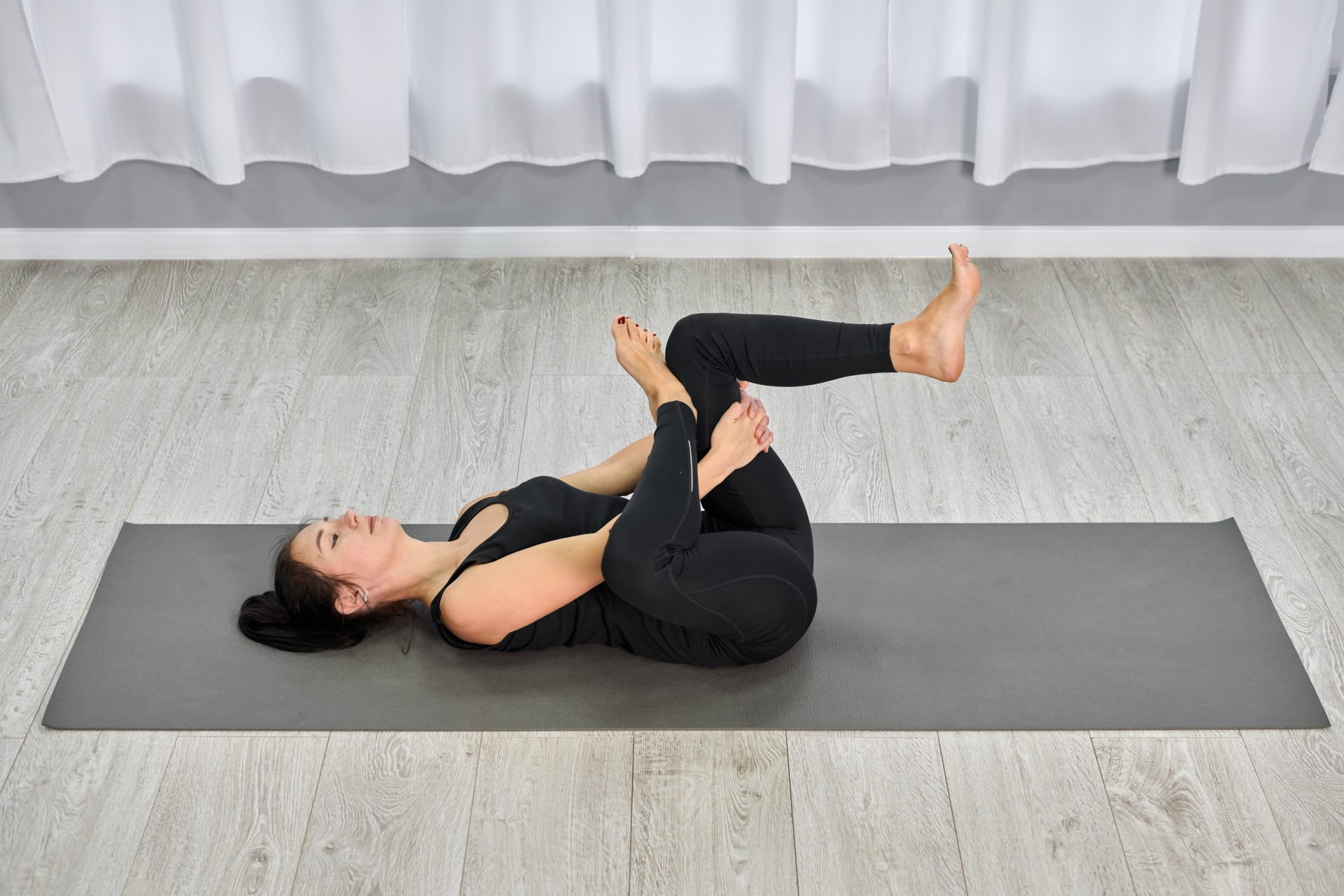
Exercise 1: Lateral Intercostal Stretch — Intercostal Muscles — Hold 30 secs × 3/side
Reach the arm overhead and lean to the opposite side — stretching the lateral rib cage and intercostal muscles. Hold: 30 seconds each side, 3 repetitions. This is the most direct intercostal muscle stretch for rib pain. Modification: Perform seated with the opposite hand on the hip for support.
Exercise 2: Diaphragmatic Breathing — Rib Cage Mobilisation — 10 mins daily
Deep belly breathing with full costal expansion on each inhale gently mobilises the rib cage joints and stretches the intercostal muscles with each breath — providing constant gentle therapeutic movement. Duration: 10 minutes daily. Modification: Place hands on the lower ribs to feel and guide the lateral rib expansion.
Exercise 3: Thoracic Extension over Roll — Costochondral Decompression — 3 mins
Lying on a rolled towel or foam roller placed under the thoracic spine, allow gravity to extend the thoracic spine — creating the anterior chest opening that decompresses the costochondral joints. Duration: 3 minutes. Modification: Use a folded towel for a gentler extension if the full foam roller is too intense.
Deep breathing that causes pain
Forced deep breathing during acute costochondritis or intercostal strain worsens inflammation.
Breathe to the edge of comfortable expansion
not through pain.
High-impact exercise or overhead pressing during rib pain — Running, weight training with overhead pressing, and any exercise that compresses or jolts the rib cage worsens rib pain.
Switch to gentle yoga and walking until symptoms resolve.
Ignoring rib pain that worsens with breathing
Rib pain that worsens significantly with breathing, is associated with fever, or follows trauma requires medical assessment to rule out pneumonia, pleurisy, or rib fracture before beginning exercises.
Complete Beginners Starting from Zero
No prior experience with exercises for rib pain is required to start. Every movement is taught from its most foundational form, with modifications for those who cannot yet perform the standard version. Live instructor feedback prevents the form errors that cause beginners to plateau or get injured before results arrive.
Intermediate Trainees Who Have Hit a Plateau
If you have been exercising inconsistently or without structured progressive overload, exercises for rib pain delivers the systematic load progression that general fitness classes do not. The programme targets the specific weaknesses and imbalances holding you back, producing results that months of unstructured training have failed to achieve.
People Recovering from Rib Pain Issues
Those who are actively managing rib pain discomfort benefit most from guided, structured movement — unguided exercise risks aggravating the condition. Habuild’s live instructor supervision ensures every session stays within a safe, therapeutic range, making consistent rehabilitation possible at home.
Condition-Specific Programming — Not a Generic Fitness Class
Every exercise selection, sequence, and rest period in Habuild’s Rib Pain programme is chosen for its specific therapeutic benefit. Sessions open with lower-body activation to engage the muscle pump, and close with inversions and breathing to maximise venous return and nervous system regulation.
Live Daily Sessions with Real-Time Form Correction
The live format means Saurabh Bothra can correct the specific errors that prevent therapeutic results — shallow breathing, skipping the cool-down, poor alignment in therapeutic poses. Pre-recorded videos cannot do this.
Progressive Overload Built into Every Session
Members do not need to design their own progression. Duration, breath control, and movement complexity are built into the programme week by week — producing consistent adaptation without guesswork.
Accountability, Streaks and Community
Daily habit formation is built into the Habuild structure: streak tracking, WhatsApp community support, and the accountability of live sessions that members show up for. Consistency is what produces lasting results — and Habuild is built to create it.
The classes are easy to follow, perfectly suited to my fitness level, and always leave me feeling positive.
This was my first time trying strength sessions, and I absolutely loved it! I joined out of curiosity.


Practice Strong Everyday with Trishala Bothra, an IIT-B and London School of Business alumni
Trishala is focused on making movement feel lighter, more engaging, and something you actually look forward to.
In just 3 years, over 50,000 people began their strength journey, and 10,000+ join every week to keep getting stronger.