Yoga for breathing
A pranayama-based yoga practice that improves lung capacity and breathing through progressive breathwork techniques.
Key Takeaways
- Starts with diaphragmatic breathing for beginners
- Progresses to Nadi Shodhana and other pranayama techniques
- Improves respiratory health and lung capacity over time
- Guided by senior instructor Saurabh Bothra's daily sessions
- Builds relaxation alongside stronger breathing patterns
Why Is Yoga for Breathing the Most Transformative Practice for Your Lungs and Life?
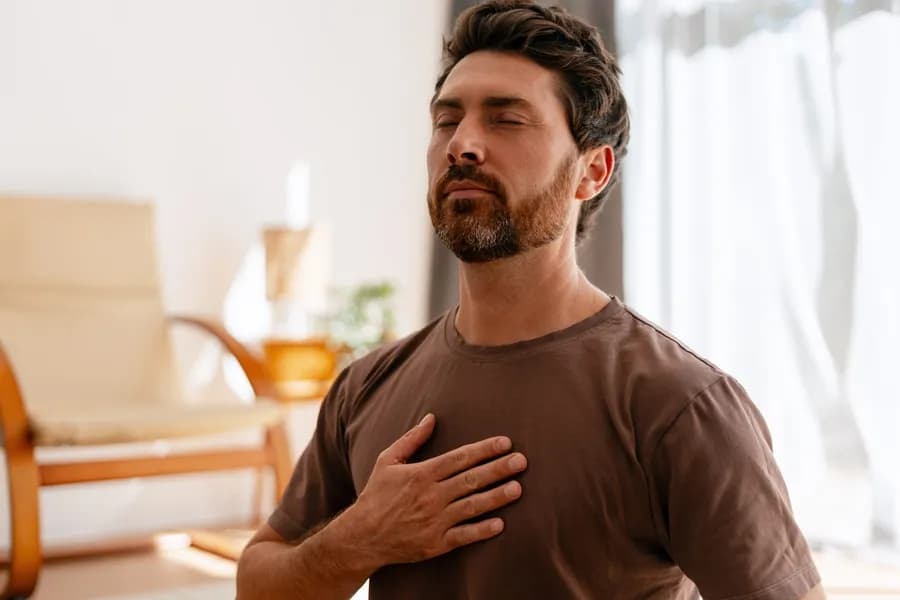
Most people never think about how they breathe — until breathing becomes difficult. Shallow chest breathing, chronic breathlessness, anxiety-driven hyperventilation, and declining lung capacity are becoming increasingly common, yet almost universally ignored until a health crisis forces attention. The solution has existed in yoga for thousands of years: a structured, science-backed system of yoga breathing techniques that strengthens the lungs, calms the nervous system, and restores full, effortless breathing.
Yoga for breathing goes far beyond simple relaxation. Pranayama works directly on lung capacity, diaphragmatic strength, respiratory muscle function, and the neurological patterns that govern how your body uses oxygen. Whether you are dealing with yoga for breathing difficulties caused by asthma, anxiety, or post-illness recovery, or simply want better breathing for energy, focus, and athletic performance, consistent yoga breathing exercise practice delivers measurable, lasting change.
Over 50,000+ Habuild members have transformed their lung health and daily breathing quality through consistent guided yoga practice.
What Does Science Say About How Yoga Breathing Exercise Transforms Lung Function?
The effect of yoga breathing exercise on the respiratory system is one of the most thoroughly researched areas in integrative medicine. Clinical studies published in leading respiratory and sports medicine journals confirm that regular yoga breathing techniques significantly increase lung capacity, strengthen the diaphragm and intercostal respiratory muscles, improve oxygen saturation in the blood, and reduce resting respiratory rate.
Research on yoga for breathing difficulties in asthma patients shows reductions in bronchospasm frequency and inhaler dependency with as little as 8 weeks of consistent pranayama practice. The science of yoga and deep breathing also reveals profound effects beyond the lungs: controlled deep breathing activates the parasympathetic nervous system, reduces blood pressure, lowers cortisol, and improves heart rate variability.
The cumulative effect of breathing yoga for lungs is not just better breathing — it is a more resilient, more oxygenated, and more regulated body and mind.
What Are the Key Benefits of Practising Yoga Breathing Techniques Every Day?
1.Can Yoga for Breathing Difficulties Genuinely Improve Lung Capacity and Function?
Yes, and the improvements can be dramatic. Yoga for breathing difficulties works by strengthening the diaphragm, expanding the elastic capacity of the lungs, and clearing the accumulated tension in the chest, ribcage, and intercostal muscles that restricts full inhalation. Practitioners with asthma, COPD, post-COVID breathlessness, and chronic shallow breathing consistently report measurable lung capacity gains within 4 to 8 weeks of daily practice.
2.How Do Yoga Breathing Techniques for Anxiety Calm the Nervous System?
Anxiety and breathing are neurologically inseparable. Yoga breathing techniques for anxiety, particularly extended exhalation practices like 4-7-8 breathing and Nadi Shodhana, break this cycle by directly activating the vagus nerve and parasympathetic nervous system.
3.What Makes Yoga and Deep Breathing So Powerful for Energy and Oxygen Delivery?
Most people use only 30 to 40 percent of their lung capacity during normal breathing. Yoga and deep breathing practices systematically expand this utilisation, training the body to draw in more oxygen per breath, distribute it more efficiently to tissues and organs, and eliminate carbon dioxide more completely.
4.How Does Breathing Yoga for Lungs Support Recovery from Respiratory Illness?
Breathing yoga for lungs is increasingly being prescribed by respiratory physiotherapists as part of post-illness recovery protocols, particularly following COVID-19, pneumonia, and bronchitis. Specific yoga breathing techniques rebuild the respiratory muscle strength lost during illness, retrain efficient breathing patterns disrupted by infection, and restore the confidence in breathing that many post-illness patients lose.
5.Can Types of Yoga Breathing Address Different Respiratory and Health Needs?
Yes, each pranayama technique has distinct physiological effects: Kapalabhati energises and clears the airways, Bhramari calms and reduces inflammation, Ujjayi warms and builds respiratory endurance, Sitali cools and soothes irritated airways, and Nadi Shodhana balances the nervous system and improves bilateral nasal function.
6.Is Breathing Exercise in Yoga for Beginners Safe and Accessible for Everyone?
Absolutely. Breathing exercise in yoga for beginners starts with the most fundamental skill most people have lost, diaphragmatic breathing. Learning to breathe deeply into the belly rather than shallowly into the chest is itself transformative, and it requires no prior yoga experience, no physical flexibility, and no special equipment.
Which Are the Best Yoga Breathing Techniques You Should Practise Every Day?
1. Diaphragmatic Breathing — Why Is This the Foundation of All Yoga for Better Breathing?
Before any advanced pranayama, mastering diaphragmatic breathing is the essential first step in yoga for better breathing. This technique retrains the body to use the diaphragm as the primary breathing muscle — expanding the belly on inhalation and contracting it on exhalation. Even 10 minutes of daily diaphragmatic breathing measurably increases tidal volume, reduces respiratory rate, and activates the parasympathetic nervous system.
Difficulty Level: Beginner.
2. Nadi Shodhana (Alternate Nostril Breathing) — How Does It Balance Breathing and the Mind?
Nadi Shodhana is one of the most versatile and researched yoga breathing techniques, effective for both yoga for breathing difficulties and yoga breathing techniques for anxiety. By alternating breath between left and right nostrils, this practice balances the sympathetic and parasympathetic nervous systems, improves bilateral lung function, reduces blood pressure, and creates remarkable mental clarity and calm.
Difficulty Level: Beginner.
3. Kapalabhati (Skull-Shining Breath) — Is This the Most Energising Yoga Breathing Exercise?
Kapalabhati is the most invigorating of all yoga breathing exercises — a rapid series of forceful exhalations that powerfully clear the respiratory passages, strengthen the diaphragm and abdominal breathing muscles, and dramatically increase oxygen circulation.
Difficulty Level: Beginner to Intermediate.
4. Bhramari Pranayama (Humming Bee Breath) — How Does It Help Yoga Breathing Techniques for Anxiety?
Bhramari is the most immediate and accessible of all yoga breathing techniques for anxiety. The extended, humming exhalation activates the vagus nerve more powerfully than almost any other single technique, producing rapid reductions in heart rate, blood pressure, and cortisol within minutes.
Difficulty Level: Beginner.
Why Is Habuild the Best Platform for Online Yoga Breathing Techniques Classes?
1.How Does Daily Live Practice Maximise the Benefits of Yoga for Better Breathing?
The respiratory benefits of yoga breathing exercise are cumulative, each session builds on the last, progressively expanding lung capacity, strengthening breathing muscles, and retraining neurological breathing patterns. Habuild's six-days-a-week live online yoga for breathing classes create the consistent daily practice that makes this progression possible.
2.Does Real-Time Instruction Make a Difference for Yoga Breathing Techniques?
Critically, yes. The different types of yoga breathing require precise technique, incorrect breathing ratios, wrong body posture, or inappropriate technique selection for your health condition can reduce effectiveness or, in rare cases, cause dizziness or hyperventilation. Habuild's certified instructor monitors technique in real time during every live session, providing immediate corrections and personalised guidance.
3.How Does Habuild's Community Support Your Yoga for Breathing Journey?
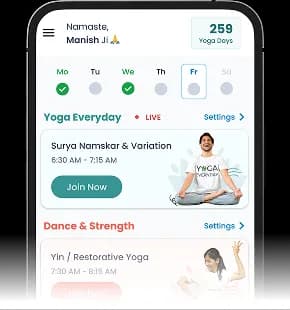
Building a daily breathing practice requires the kind of motivation and accountability that self-practice rarely sustains. Habuild's online yoga for breathing classes are supported by a vibrant WhatsApp community, daily practice reminders, and streak tracking. Members dealing with related respiratory conditions also benefit from our yoga for asthma and yoga for sinus programmes.
Flexible Batch Timing
Choose morning or evening classes and join the slot that suits your day.
Morning
6:30 am - 7:15 am
7:30 am - 8:15 am
8:30 am - 9:15 am

Evening
5pm - 5:45pm
6pm - 6:45pm
7pm - 7:45pm

Meet Your Yoga for Breathing Instructor: Saurabh Bothra
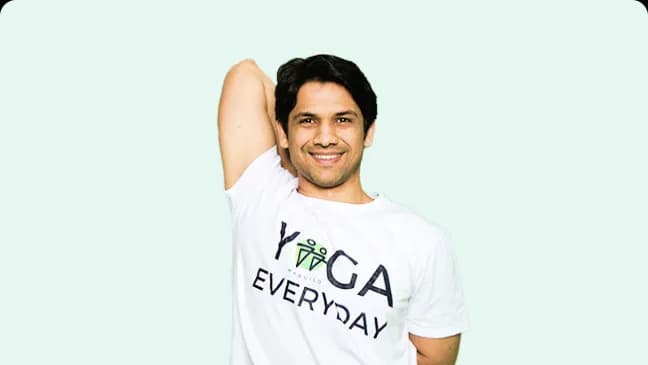
Saurabh Bothra
Founder, Habuild
Your yoga for breathing journey is guided by one of India's most qualified instructors—Saurabh Bothra. Saurabh's online yoga class for breathing sessions combine traditional yoga wisdom with practical techniques for modern lifestyles. His best yoga for breathing methods have helped thousands achieve sustainable results.
Choose Your Membership Plan
Continue after the trial with membership options designed for long-term consistency support.
Continue your habit on the Habuild app
Use the Habuild app for reminders, live access, progress support, and habit tracking.