Yoga for constipation
A gut-relief yoga practice for constipation using targeted poses that stimulate bowel motility naturally.

Key Takeaways
- Malasana deep squats stimulate immediate bowel motility
- Pawanmuktasana relieves trapped wind and bloating
- Kapalabhati pranayama supports digestive stimulation
- Guided by senior instructor Saurabh Bothra's daily sessions
- Improves overall gut movement with consistent practice
Transform Your Digestive Health with Yoga for Constipation

Chronic constipation — defined as fewer than three bowel movements per week with incomplete evacuation, straining, and hard stools — affects over 20% of Indians and significantly reduces quality of life through the bloating, discomfort, abdominal pain, and fatigue that accumulated waste produces. Yoga for constipation addresses the root causes through abdominal compression postures that directly stimulate intestinal peristalsis, parasympathetic activation that switches the nervous system to the rest-and-digest mode that bowel motility requires, and stress reduction that relieves the stress-driven constipation that modern sedentary lifestyles systematically produce. Our digestive health tips guide covers the complete yoga approach to constipation and digestive health.
Yoga movements for constipation provide an immediate and accessible intervention for acute constipation episodes while building the long-term digestive health and bowel regularity that prevent recurrence. Over 50,000+ Habuild members have used daily yoga practice to achieve regular, comfortable bowel movements, eliminate chronic bloating, and restore the digestive vitality that constipation progressively undermines.
Can Yoga for Constipation Really Help?
Yes — yoga poses for constipation are among the most effective non-pharmaceutical interventions for improving bowel motility, with multiple studies confirming that specific yoga postures significantly reduce constipation frequency and improve bowel movement quality. Our bowel health support resources complement yoga with the dietary and lifestyle factors supporting regular bowel health.
Yoga addresses constipation through four complementary mechanisms: direct intestinal stimulation through abdominal compression and twisting postures that massage the colon; parasympathetic nervous system activation (the 'rest and digest' state that bowel motility specifically requires); abdominal muscle strengthening (improving the muscular support for effective bowel movements); and stress reduction (chronic stress suppresses digestive motility through the sympathetic nervous system's inhibition of gut function).
A randomised controlled trial published in the Journal of Bodywork and Movement Therapies found that a six-week yoga programme produced a 75% improvement in constipation symptoms and bowel movement frequency — a clinically meaningful improvement that positions yoga as a first-line complementary intervention for constipation management.
Benefits of Yoga for Constipation
1.Directly Stimulates Intestinal Peristalsis
The abdominal compression of forward folds, the rotational massage of twists, and the gentle abdominal pumping of Kapalabhati directly stimulate intestinal motility — providing the mechanical impetus that sluggish intestinal muscles need for regular bowel function.
2.Activates the Parasympathetic 'Rest and Digest' System
Constipation is fundamentally a parasympathetic deficit — bowel motility requires the 'rest and digest' nervous system state that chronic stress chronically suppresses. Yoga's parasympathetic activation through pranayama and relaxation postures directly restores the nervous system state that healthy bowel function requires. Our nutrition for digestion resources provide the dietary complement to yoga's digestive health approach.
3.Improves Pelvic Floor Function
Constipation is often associated with pelvic floor dysfunction — either hypertonic (too tight) or hypotonic (too weak) pelvic floor muscles disrupting the coordinated defecation reflex. Yoga for constipation's pelvic floor exercises and Mula Bandha practices specifically improve pelvic floor coordination.
4.Reduces Stress — A Primary Constipation Driver
The gut-brain axis means that stress directly impairs intestinal motility through the sympathetic nervous system's inhibition of digestion. Yoga for constipation's comprehensive stress reduction directly addresses this mechanism — making it specifically effective for the stress-driven constipation that is ubiquitous among modern urban practitioners.
5.Strengthens the Abdominal Muscles
Weak abdominal muscles reduce the mechanical pressure support for effective bowel evacuation. Yoga poses for constipation's progressive core strengthening improves the abdominal muscle function that healthy bowel movements require. See also yoga for gas and yoga for digestion for the companion digestive health programmes.
6.Improves Gut Microbiome Health
Emerging research indicates that regular yoga practice positively influences the gut microbiome — the bacterial community that plays a primary role in digestive regularity. The stress reduction, improved circulation, and parasympathetic activation of yoga all contribute to the microbiome diversity that healthy digestion requires.
Best Yoga Poses for Constipation
1.Pawanmuktasana (Wind-Relieving Pose)
The classic constipation yoga posture — knees hugged to the chest in the supine position, compressing the ascending colon (right knee) and descending colon (left knee) in turn. The direct colonic compression stimulates peristalsis and provides immediate relief for both gas and constipation.
Difficulty Level: Beginner
2.Ardha Matsyendrasana (Seated Spinal Twist)
A seated twist that compresses the ascending colon on the right and the descending colon on the left in alternating sides — the sequential compression and release of the complete colon providing a comprehensive colonic massage that directly stimulates peristaltic waves.
Difficulty Level: Intermediate
3.Malasana (Garland Pose / Deep Squat)
A deep squatting posture that creates the anatomically optimal position for bowel evacuation — the squatting position straightening the puborectalis muscle that normally kinks the rectum, producing immediate facilitation of bowel movement. Practised for 5–10 minutes, it directly prepares the body for bowel evacuation.
Difficulty Level: Beginner
4.Paschimottanasana (Seated Forward Fold)
A forward bend that compresses the abdominal organs and stimulates the entire length of the intestinal tract — one of yoga's primary digestive health postures, consistently recommended for constipation in classical therapeutic yoga texts.
Difficulty Level: Beginner to Intermediate
5.Balasana (Child's Pose)
A forward-folded posture that gently compresses the abdominal organs, activates the parasympathetic nervous system, and releases the pelvic floor tension that constipation often involves — providing both direct digestive stimulation and the nervous system calming that bowel motility requires.
Difficulty Level: Beginner
6.Trikonasana (Triangle Pose)
A lateral standing posture that stimulates the abdominal organs through the lateral stretch and compression, improves intestinal circulation, and strengthens the abdominal muscles that support effective bowel evacuation.
Difficulty Level: Beginner
7.Dhanurasana (Bow Pose)
A prone backbend that massages the entire intestinal tract through the rhythmic rocking motion — the breath-driven forward-and-backward rocking providing the direct intestinal massage that is most distinctive about this constipation yoga posture.
Difficulty Level: Intermediate
8.Kapalabhati Pranayama
The rapid abdominal pumping of Kapalabhati provides the most direct external intestinal stimulation of any pranayama — the 60–120 abdominal contractions per minute creating a mechanical massage of the intestinal tract that directly stimulates peristalsis. Practised in the morning on an empty stomach for most immediate constipation relief.
Difficulty Level: Beginner
How Habuild's Yoga for Constipation Classes Help
1.Morning Sequence for Daily Bowel Regularity
Habuild's yoga movements for constipation programme is specifically designed as a morning routine — Kapalabhati, followed by the twisting and compression sequence, completed with Malasana — providing the most effective daily bowel movement facilitation programme available through yoga.
2.Live Guidance for Constipation-Specific Sequencing
The specific sequencing of constipation yoga — beginning with Kapalabhati, progressing through twists, forward folds, and squatting, ending with relaxation — is taught by Habuild's instructor as a complete therapeutic protocol rather than a general yoga class.
3.Stress Management for Gut-Brain Axis Support
Every Habuild yoga for constipation session integrates the pranayama and relaxation practices that address the gut-brain axis component of constipation — the nervous system calming being as important as the physical postures for the stress-driven constipation that most urban practitioners experience.
4.Complementary Nutritional Guidance
Habuild's community guidance includes the dietary awareness that makes yoga's constipation benefits fully achievable — adequate hydration, fibre-appropriate eating, and meal timing that complement the yoga practice for comprehensive bowel regularity.
Flexible Batch Timing
Choose morning or evening classes and join the slot that suits your day.
Morning
6:30 am - 7:15 am
7:30 am - 8:15 am
8:30 am - 9:15 am

Evening
5pm - 5:45pm
6pm - 6:45pm
7pm - 7:45pm

Meet Your Yoga for Constipation Instructor: Saurabh Bothra

Saurabh Bothra
Founder, Habuild
Your yoga for constipation journey is guided by one of India's most qualified instructors—Saurabh Bothra. Saurabh's online yoga class for constipation sessions combine traditional yoga wisdom with practical techniques for modern lifestyles. His best yoga for constipation methods have helped thousands achieve sustainable results.
Choose Your Membership Plan
Continue after the trial with membership options designed for long-term consistency support.
Continue your habit on the Habuild app
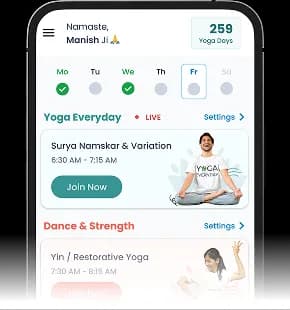
Use the Habuild app for reminders, live access, progress support, and habit tracking.