Yoga for diabetes
A daily yoga practice for diabetes that lowers blood glucose through muscle activation, cortisol reduction, and better insulin sensitivity.


Key Takeaways
- Drives glucose uptake through compound muscle activation
- Reduces cortisol-driven gluconeogenesis with regular practice
- Improves insulin sensitivity via parasympathetic activation
- Guided by senior instructor Saurabh Bothra's daily sessions
- Produces measurable blood glucose reductions over time
Transform Your Blood Sugar Health with Yoga for Diabetes

Managing diabetes requires a comprehensive lifestyle approach — and yoga for diabetes is one of the most evidence-supported lifestyle interventions available for improving blood sugar control, insulin sensitivity, and overall metabolic health. Whether you have Type 1, Type 2, or pre-diabetes, consistent yoga for diabetic patients practice provides meaningful complementary support for the medication and dietary management that diabetes requires. Our yoga for health conditions guide covers the comprehensive framework of how yoga supports metabolic health management.
Yoga for diabetes works through five directly relevant mechanisms: it reduces cortisol (the primary stress hormone that raises blood glucose); improves insulin sensitivity through the metabolic activation of compound muscle groups; reduces chronic systemic inflammation (a driver of insulin resistance); activates the parasympathetic nervous system that governs the rest-and-digest functions including proper glucose metabolism; and improves body composition through progressive physical strengthening. Over 50,000+ Habuild members include diabetic practitioners who have improved their HbA1c readings, reduced medication requirements, and dramatically improved their energy levels.
Can Yoga for Diabetic Patients Really Help?
Yes — yoga for diabetes is one of the most comprehensively evidence-supported complementary lifestyle interventions for Type 2 diabetes and pre-diabetes management, with multiple studies demonstrating meaningful blood glucose and HbA1c improvements.
A meta-analysis published in the Journal of Diabetes Research found that yoga practice produced an average fasting blood glucose reduction of approximately 30 mg/dL and HbA1c reduction of 0.6% in Type 2 diabetics — clinically meaningful improvements that complement dietary and pharmaceutical management. The mechanisms are well-established: muscle group activation improves GLUT4 transporter expression (improving glucose uptake); stress reduction lowers cortisol-driven gluconeogenesis; and improved body composition reduces the visceral adiposity that drives insulin resistance. Our nutrition guidance resources complement yoga with the dietary approach supporting blood sugar control.
While Type 1 diabetes requires insulin management and yoga cannot replace it, yoga for diabetic patients provides meaningful metabolic, stress management, and circulation benefits for all diabetes types alongside appropriate medical treatment.
Benefits of Yoga for Diabetes
1.Lowers Blood Sugar Through Muscle Group Activation
The large-muscle compound postures of yoga — standing sequences, core work, and arm balances — improve GLUT4 transporter expression in muscle cells, directly enhancing glucose uptake without insulin. This insulin-independent glucose disposal is the most directly blood-sugar-lowering mechanism of yoga for diabetes practice.
2.Improves Insulin Sensitivity
Regular yoga practice improves insulin sensitivity through multiple mechanisms: reducing visceral adiposity, decreasing chronic inflammation, improving muscle mass, and reducing the cortisol that drives insulin resistance. Our energy & vitality resources cover the complete lifestyle approach to insulin sensitivity improvement.
3.Reduces Stress-Driven Blood Sugar Spikes
Stress hormones — particularly cortisol — directly raise blood glucose through hepatic gluconeogenesis and reduced peripheral glucose uptake. Yoga for diabetes's stress reduction is one of its most clinically relevant mechanisms, directly reducing the stress-driven blood sugar fluctuations that medication often cannot fully control.
4.Stimulates Pancreatic Function
Specific yoga postures — particularly twists (Ardha Matsyendrasana) and prone poses — directly stimulate the pancreatic region through abdominal compression and release, potentially improving beta cell function and insulin production as complementary support alongside medication.
Improves Circulation and
5.Prevents Diabetic Complications
Poor circulation is the primary driver of diabetic complications — neuropathy, retinopathy, nephropathy, and slow wound healing. Yoga for diabetic patients improves systemic circulation through the cardiovascular activation of standing sequences and the peripheral circulation improvement of all yoga postures. See also yoga for thyroid for the closely related metabolic condition.
6.Supports Weight Management
Visceral adiposity is the primary driver of Type 2 diabetes insulin resistance. Yoga for diabetes's metabolic activation, stress reduction (reducing cortisol-driven fat storage), and progressive physical strengthening collectively support the healthy body composition that improves insulin sensitivity. See also yoga for thyroid gland for thyroid health support.
Best Yoga Poses for Diabetes
1.Surya Namaskara (Sun Salutation)
The complete Sun Salutation is the single most beneficial yoga sequence for diabetes management — its compound muscle activation across 12 dynamic postures improving GLUT4 expression, cardiovascular fitness, body composition, and stress hormones simultaneously.
Difficulty Level: Beginner to Intermediate
2.Ardha Matsyendrasana (Seated Spinal Twist)
A seated twist that directly compresses and stimulates the pancreatic region — the classic yoga pose for pancreatic stimulation, consistently recommended in classical therapeutic yoga texts for diabetes management.
Difficulty Level: Intermediate
3.Paschimottanasana (Seated Forward Fold)
A sustained forward fold that stimulates the abdominal organs including the pancreas, improves liver function relevant to glucose metabolism, and activates the parasympathetic nervous system that governs rest-and-digest glucose regulation.
Difficulty Level: Beginner to Intermediate
4.Mandukasana (Frog Pose)
Specifically recommended for diabetes in classical Hatha yoga texts — the deep abdominal compression of the frog pose directly stimulates the pancreas and improves pancreatic circulation.
Difficulty Level: Beginner
5.Dhanurasana (Bow Pose)
The prone backbend's abdominal compression and pancreatic stimulation make it one of classical yoga's primary postures for digestive organ and pancreatic health — with the compound posterior chain strengthening additionally supporting metabolic activation.
Difficulty Level: Intermediate
6.Virabhadrasana I & II (Warrior Poses)
The large-muscle group activation of standing warrior postures directly drives glucose uptake through GLUT4 transporter activation — the most directly blood-sugar-lowering yoga postures for diabetic practitioners.
Difficulty Level: Beginner to Intermediate
7.Kapalabhati Pranayama
The abdominal pumping action of Kapalabhati massages the pancreas and abdominal organs, stimulates digestive fire, and produces the metabolic activation that improves insulin sensitivity — making it a daily essential for diabetic yoga practitioners.
Difficulty Level: Beginner
8.Nadi Shodhana Pranayama
Alternate nostril breathing's cortisol reduction and parasympathetic activation directly reduce stress-driven blood glucose elevation — the daily practice providing the autonomic regulation that blood sugar stability requires.
Difficulty Level: Beginner
How Habuild's Yoga for Diabetes Classes Help
1.Blood Sugar Focused Practice Design
Habuild's yoga for diabetes sessions are designed with blood glucose management as the primary therapeutic objective — sequencing the large-muscle compound postures, pancreatic-stimulating twists, and metabolic-activating pranayama that most directly support HbA1c improvement.
2.Safe Practice Guidance for Diabetic Practitioners
Specific diabetes considerations — monitoring blood glucose before and after practice, recognising hypoglycaemia symptoms during exercise, appropriate timing relative to meals and insulin — are incorporated into Habuild's yoga for diabetic patients guidance.
3.Progressive Metabolic Strengthening
Habuild's yoga for diabetes programme progressively builds the physical strength and cardiovascular fitness that improves insulin sensitivity and glucose disposal — beginning with accessible Surya Namaskara rounds and building toward the more demanding sequences that produce the greatest metabolic benefit.
4.Community of Diabetic Practitioners
Habuild's community includes thousands of diabetic practitioners sharing their blood glucose improvements, HbA1c progress, and medication reduction achievements — the lived evidence that inspires and sustains the daily practice that diabetes management requires.
Flexible Batch Timing
Choose morning or evening classes and join the slot that suits your day.
Morning
6:30 am - 7:15 am
7:30 am - 8:15 am
8:30 am - 9:15 am

Evening
5pm - 5:45pm
6pm - 6:45pm
7pm - 7:45pm

Meet Your Yoga for Diabetes Instructor: Saurabh Bothra

Saurabh Bothra
Founder, Habuild
Your yoga for diabetes journey is guided by one of India's most qualified instructors—Saurabh Bothra. Saurabh's online yoga class for diabetes sessions combine traditional yoga wisdom with practical techniques for modern lifestyles. His best yoga for diabetes methods have helped thousands achieve sustainable results.
Choose Your Membership Plan
Continue after the trial with membership options designed for long-term consistency support.
Continue your habit on the Habuild app
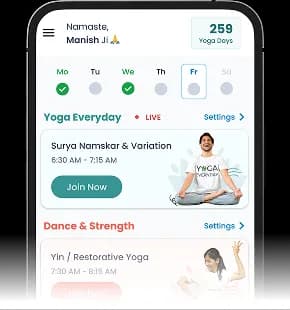
Use the Habuild app for reminders, live access, progress support, and habit tracking.