Yoga for hip opening
A hip-opening yoga routine that builds flexibility and eases stiffness in the hips and lower back over time.
Key Takeaways
- Reduces hip stiffness and improves morning mobility in 1-2 weeks
- Builds measurable range of motion improvements by weeks 3-4
- Beginner-friendly poses progress toward deeper hip openers
- Led by senior instructor Saurabh Bothra's daily guided sessions
- Combines flexibility work with lower-back support
Transform Your Hip Mobility with Hip Opening Yoga Poses
Tight hips are one of the most widespread physical complaints in modern life — and for good reason. Hours of sitting compress the hip flexors, shut down the glutes, and create the ripple of tension that travels into the lower back, knees, and even the shoulders. The result is chronic stiffness, restricted movement, and the persistent lower back pain that affects over 80% of desk workers at some point in their lives.
Hip opening yoga poses address this problem at its root — systematically lengthening the hip flexors, releasing the external rotators, opening the adductors, and rebuilding the hip strength that sedentary lifestyles progressively dismantle. Unlike foam rolling or static stretching, yoga for hips combines flexibility, strength, and breath awareness — producing lasting hip mobility improvements that temporary interventions cannot deliver.
Over 50,000+ Habuild members have transformed their hip mobility through consistent hip opening exercises yoga practice — eliminating chronic lower back tension, improving their posture, and rediscovering the effortless freedom of movement that tight hips systematically suppress. Whether you are a complete beginner or an experienced practitioner deepening your hip flexibility, Habuild's progressive hip opening yoga curriculum meets you exactly where you are.
Can Hip Opening Yoga Poses Really Improve Hip Flexibility?
Yes, hip opening yoga poses are among the most effective interventions available for improving hip flexibility, relieving chronic tightness, and restoring functional hip mobility. The hip joint is a ball-and-socket joint capable of an exceptional range of motion in all directions — flexion, extension, internal rotation, external rotation, abduction, and adduction. Most modern lifestyles use only a fraction of this range, causing the surrounding musculature to progressively shorten and stiffen.
Hip opening exercises yoga addresses this through three complementary mechanisms: progressive lengthening of the tight tissues (hip flexors, adductors, and external rotators) through sustained holds; strengthening of the hip stabilisers (glutes, deep rotators) that provide active joint support; and breathwork-assisted nervous system relaxation that releases the protective muscular guarding that prevents passive stretching from reaching the deeper tissues. Our flexibility training resources provide the complete framework for understanding how yoga systematically develops functional hip mobility.
Research published in the International Journal of Yoga found that consistent yoga practice produces significant improvements in hip flexor length, hip external rotation range, and overall functional hip mobility within six to eight weeks of regular practice. For practitioners with chronic lower back pain, the evidence is even more compelling — hip flexibility improvements directly reduce the lumbar loading that produces persistent back discomfort.
While severe hip conditions (labral tears, severe arthritis) require medical guidance alongside yoga practice, the vast majority of hip tightness responds rapidly and reliably to consistent beginner hip opening yoga — typically within two to four weeks of daily practice.
Benefits of Hip Opening Yoga Poses
1. Relieves Chronic Lower Back Pain
The single most important benefit of hip opening yoga poses for most practitioners is lower back pain relief. Tight hip flexors pull the pelvis into anterior tilt — compressing the lumbar vertebrae and chronically activating the lower back muscles that are already overworked from compensating for weak glutes. Hip opening exercises yoga directly addresses this postural cascade. See our comprehensive yoga health benefits guide for how hip opening integrates with a complete back health programme.
**2. Improves Functional Flexibility for Daily Movement **
Hip opening yoga poses develop the functional flexibility that daily life actually requires — bending, squatting, climbing stairs, sitting comfortably on the floor, and moving freely in all directions. Unlike static stretching that improves isolated tissue length, best yoga for lower back and hips creates the dynamic hip mobility that transfers directly into how the body feels and moves throughout the day.
**3. Strengthens the Glutes and Hip Stabilisers **
Effective hip opening yoga does not just stretch — it simultaneously strengthens. Many of the most beneficial hip opening exercises yoga also activate the glutes, hip abductors, and deep external rotators that chronic sitting progressively weakens. This combined stretch-and-strengthen approach produces the functional hip stability that prevents injury and supports all athletic and everyday activities.
**4. Releases Emotional Tension Held in the Hips **
The hips are one of the body's primary sites of emotional holding — the musculature surrounding the hip joint often stores the accumulated tension of the body's stress response. Practitioners of hip opening yoga consistently report a distinctive emotional release alongside the physical opening — a quality of letting go that makes consistent beginner hip opening yoga practice one of the most holistically beneficial yoga sequences available.
**5. Improves Posture and Spinal Alignment **
Hip flexibility is the foundation of postural integrity — the pelvic position that hip flexibility governs determines the alignment of every spinal segment above it. Yoga for hips that systematically opens tight hip flexors and strengthens the posterior hip musculature produces postural improvements that are visible and measurable within weeks. Our fitness and yoga resources guide covers how hip work integrates with a complete postural improvement programme.
**6. Supports Athletic Performance and Injury Prevention **
For runners, cyclists, footballers, and all athletes whose performance depends on hip mobility, power, and stability, hip opening yoga poses provide the flexibility and strength balance that sport-specific training consistently neglects. Tight hip flexors inhibit glute activation, reduce stride length, and create the compensatory patterns that eventually produce injury. Regular hip opening exercises yoga prevents these issues while improving athletic output.
Best Hip Opening Yoga Poses
**1. Low Lunge (Anjaneyasana) — The Fundamental Hip Flexor Opener **
The most directly effective hip flexor stretch in yoga — the back knee lowered to the floor, the front knee bent at 90 degrees, and the hips pressing forward and downward into the stretch of the back leg's psoas and rectus femoris. Low Lunge is the foundation of all hip opening sequences — the posture that most directly addresses the primary tightness pattern of desk workers and sedentary practitioners.
Difficulty Level: Beginner
2. Pigeon Pose (Eka Pada Rajakapotasana) — The Deep External Rotator Release
Yoga's most celebrated hip opener — the front leg bent at the floor with the shin approximately parallel to the front of the mat, the rear leg extending directly behind. Pigeon Pose targets the piriformis and deep external rotators with a depth and specificity that no other posture replicates. Held for 3–5 minutes per side, it is the definitive hip opening yoga pose for releasing the chronic tension patterns of the hip's posterior musculature.
Difficulty Level: Intermediate
**3. Butterfly Pose (Baddha Konasana) — The Inner Thigh and Groin Opener **
Seated with the soles of the feet together and the knees dropping outward, Baddha Konasana provides a sustained bilateral adductor and groin stretch. The gentle forward fold variation deepens the stretch progressively with each breath — making it one of the most accessible and consistently effective beginner hip opening yoga postures for inner thigh and groin flexibility.
Difficulty Level: Beginner
4. Lizard Pose (Utthan Pristhasana) — The Deep Hip Flexor and Groin Stretch
A deeper hip flexor and groin opener than Low Lunge — the front foot steps wide outside the front hand, the back knee may be raised or lowered, and the hips can progressively descend toward the floor. Lizard Pose is the natural progression from Low Lunge for practitioners ready to develop more advanced hip opening yoga depth.
Difficulty Level: Intermediate
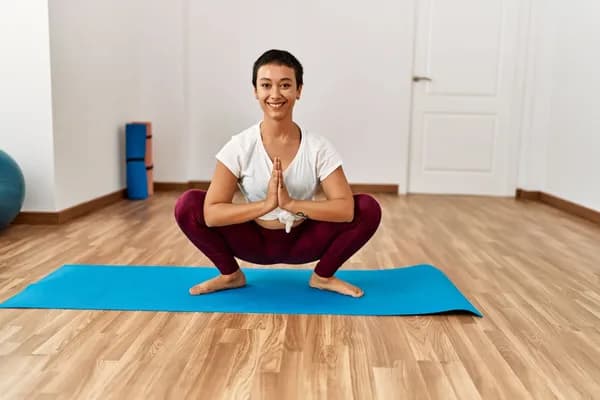
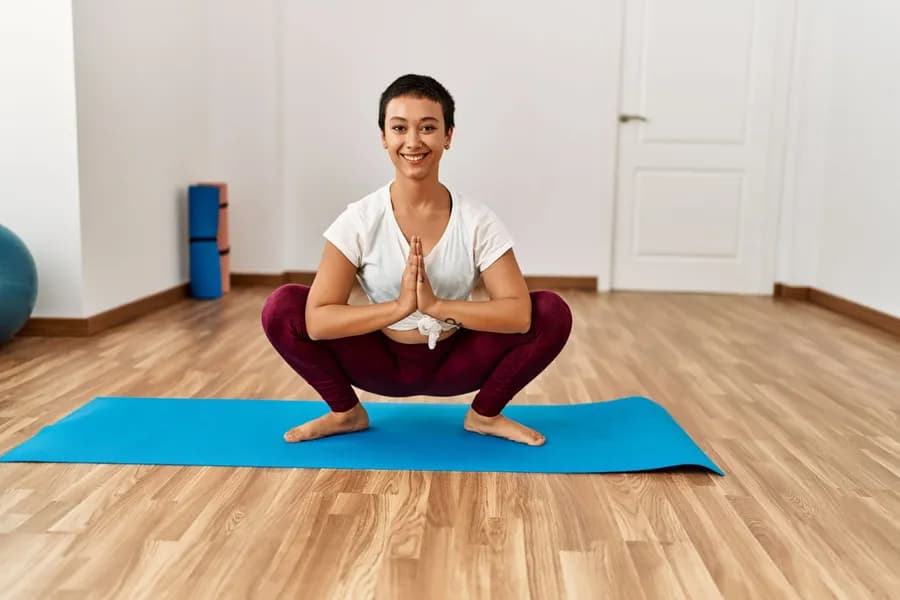
**5. Garland Pose (Malasana) — The Deep Squat Hip Opener **
A deep squat with feet flat on the floor (or heels supported on a folded mat) and elbows pressing the inner knees outward. Malasana targets the hip flexors, adductors, and external rotators simultaneously — making it one of the most comprehensive single hip opening exercises yoga positions. It also improves ankle flexibility and develops the lower body mobility that primal squatting movements require.
Difficulty Level: Beginner to Intermediate
6. Supine Figure-Four Pose (Supta Kapotasana) — The Accessible Pigeon Alternative
Lying on the back with one ankle crossed over the opposite thigh, the hands clasping behind the hamstring and gently drawing the legs toward the chest. This supine variation of Pigeon Pose provides the same deep external rotator stretch with complete lower back support — making it the ideal hip opening yoga pose for those with lower back sensitivity or those who find floor-based Pigeon Pose inaccessible.
Difficulty Level: Beginner
7. Wide-Legged Standing Forward Fold (Prasarita Padottanasana) — The Standing Adductor Opener | Both legs spread 3–4 feet apart, the torso folding forward from the hip crease. Prasarita Padottanasana provides a comprehensive adductor and hamstring stretch from a standing position — ideal for practitioners who find floor-based hip opening exercises yoga difficult, and for building the inner thigh flexibility needed for deeper seated hip openers.
Difficulty Level: Beginner
8. Cow Face Pose (Gomukhasana) — The Layered Hip and Shoulder Opener
Both legs crossed with the knees stacked, the hips grounded evenly on both sides. Gomukhasana provides an intense external rotation stretch for the hip of the bottom leg and a deep external rotation and adductor stretch for the hip of the top leg — simultaneously addressing two different hip tension patterns that most hip opening sequences treat separately.
Difficulty Level: Intermediate
How Habuild's Online Hip Opening Yoga Classes Help You
1. Progressive Hip Opening Curriculum Tailored to Every Level
Hip flexibility develops progressively — rushing into deep hip openers before adequate preparation damages rather than benefits. Habuild's hip opening exercises yoga curriculum is sequenced specifically to develop the hip flexibility progressively — beginning with foundational Low Lunge and Butterfly work and building toward Pigeon Pose and advanced hip openers over consistent weeks of daily practice.
2. Live Guidance for Correct Hip Opening Form
The most common hip opening yoga mistakes — rotating the pelvis to compensate for hip tightness, collapsing the lumbar spine in Pigeon Pose, allowing the front knee to track inward in lunge postures, and forcing depth before the tissues are ready — can worsen rather than improve hip function when uncorrected. Habuild's certified instructor provides real-time guidance ensuring every hip opening yoga pose is performed with the alignment precision that produces genuine improvement safely.
3. Daily Consistency That Produces Real Hip Flexibility Gains
Hip flexibility responds better to frequent, moderate practice than to occasional intense sessions. Habuild's six-days-a-week live classes ensure the daily hip opening exercises yoga repetition that the hip's connective tissue responds best to — producing the consistent, compounding flexibility improvements that weekend-only stretching cannot deliver.
4. Modifications for All Levels Including Beginners
Whether you are a complete beginner who cannot sit comfortably cross-legged or an experienced practitioner working toward full Pigeon Pose, Habuild's hip opening classes provide simultaneous modifications at every stage. Props (blocks, blankets, straps) and graduated pose options ensure that every member practises hip opening yoga at the level appropriate to their current flexibility — never overstretching, always progressing.
Flexible Batch Timing
Choose morning or evening classes and join the slot that suits your day.
Morning
6:30 am - 7:15 am
7:30 am - 8:15 am
8:30 am - 9:15 am

Evening
5pm - 5:45pm
6pm - 6:45pm
7pm - 7:45pm

Meet Your Yoga for Hip Opening Instructor: Saurabh Bothra

Saurabh Bothra
Founder, Habuild
Your yoga for hip opening journey is guided by one of India's most qualified instructors—Saurabh Bothra. Saurabh's online yoga class for hip opening sessions combine traditional yoga wisdom with practical techniques for modern lifestyles. His best yoga for hip opening methods have helped thousands achieve sustainable results.
Choose Your Membership Plan
Continue after the trial with membership options designed for long-term consistency support.
Continue your habit on the Habuild app
Use the Habuild app for reminders, live access, progress support, and habit tracking.