Yoga for sleep
A calming yoga and pranayama routine that eases insomnia by reducing cortisol and activating the body's rest response.
Key Takeaways
- Reduces cortisol to help the body wind down for sleep
- Activates the parasympathetic nervous system before bed
- Releases physical tension that keeps the mind alert
- Guided by senior instructor Saurabh Bothra's daily sessions
- Trains the mind to disengage from daily stress at night
Transform Your Sleep Quality with Yoga for Sleep

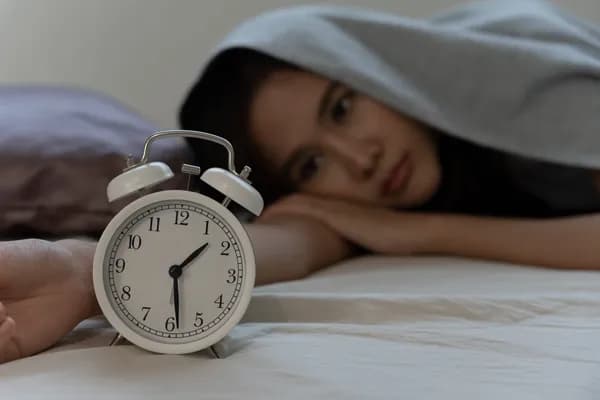
Struggling to fall asleep, stay asleep, or wake up feeling genuinely rested? You're far from alone. Over 60% of Indians report poor sleep quality, with stress, screen exposure, and an overactive mind being the leading culprits. The answer isn't stronger sleep medication — it's addressing the root cause through a consistent yoga for sleep practice.
Sleep yoga works by activating the parasympathetic nervous system — your body's natural rest-and-digest mode — through gentle poses, conscious breathwork, and deliberate muscular release. Unlike sedatives that force the body into unconsciousness, yoga for better sleep creates the physiological and psychological conditions in which deep, restorative sleep arises naturally.
Over 50,000+ Habuild members have transformed their sleep quality through daily yoga for sleep poses — eliminating the racing thoughts, physical restlessness, and shallow sleep that chronic stress produces. From falling asleep in minutes to waking up genuinely refreshed, our community proves that consistent, guided yoga for good sleep delivers real and lasting results.
Can Yoga for Sleep Really Improve Your Rest?
Yes — yoga for sleep can significantly improve both sleep onset and sleep quality by addressing the physiological and psychological barriers that poor sleep creates.
Yoga for better sleep works through multiple complementary mechanisms: it reduces cortisol (the primary stress hormone that delays sleep onset), activates the vagus nerve to shift the nervous system from sympathetic to parasympathetic dominance, releases the chronic muscular tension that prevents physical rest, and trains the mind to release the day's mental activity through breath awareness and sensory withdrawal.
Research published in the Journal of Clinical Sleep Medicine found that regular yoga practitioners experienced a 55% improvement in sleep efficiency and a significant reduction in sleep onset time compared to non-practitioners. Studies from Harvard Medical School further indicate that yoga for sleep poses specifically improve the slow-wave (deep) sleep stages that are most restorative for physical and mental recovery.
While severe insomnia may require medical evaluation alongside yoga practice, sleep yoga positions combined with consistent breathwork and a regular practice time create a foundation for lasting sleep improvement that no medication can replicate.
Benefits of Yoga for Sleep
1. Activates the Parasympathetic Nervous System for Natural Sleep Onset
Yoga for sleep poses specifically activate the body's rest-and-digest system — slowing the heart rate, lowering cortisol, and creating the physiological readiness for sleep that stress chronically suppresses. Even a 20-minute evening yoga for sleep practice shifts the nervous system from alert wakefulness to genuine physical and mental readiness for rest. Explore our mental health resources for a complete guide to how yoga supports sleep and mental wellbeing.
2. Reduces the Stress and Anxiety That Delay Sleep
The leading cause of sleeplessness is an overactive, anxious mind that cannot disengage from the day's concerns. Yoga for better sleep combines breathwork, body awareness, and progressive muscular release to systematically quieten the mental activity that keeps the nervous system alert long after the working day has ended. See our mental wellness guide for the complete framework of how yoga addresses anxiety-driven sleep disruption.
3. Relieves Physical Tension That Prevents Restful Sleep
Chronic muscular tension — particularly in the shoulders, neck, lower back, and hips — creates a state of physical restlessness that prevents the body from truly resting even when the mind wishes to sleep. Yoga for sleep poses systematically release these tension patterns, allowing the body to fully surrender into sleep. Our stress & sleep relief resources cover complementary approaches to this physical dimension of sleep preparation.
4. Improves Sleep Quality and Deep Sleep Duration
Yoga for good sleep doesn't just help you fall asleep faster — it improves the quality of sleep itself. Regular practice increases time spent in slow-wave (deep) and REM sleep stages — the stages most responsible for physical recovery, immune function, emotional processing, and cognitive consolidation.
5. Regulates Circadian Rhythm Through Consistent Practice
Practising yoga for sleep at the same time each evening trains the body's internal clock — reinforcing the circadian rhythm that governs natural sleep-wake cycles. The ritual quality of a consistent evening yoga for better sleep routine signals the brain and body that sleep is approaching, progressively strengthening the natural sleep drive.
6. Reduces Dependency on Sleep Aids
Regular yoga for sleep practice addresses the root causes of poor sleep rather than temporarily suppressing symptoms. Many practitioners who have relied on sleep medication, melatonin supplements, or alcohol as sleep aids find that consistent yoga for good sleep practice gradually reduces their dependency on these external interventions.
Best Yoga Poses for Sleep (Sleep Yoga Positions)
1. Legs Up the Wall (Viparita Karani)
One of the most powerful yoga poses for sleep — the gentle inversion reverses gravitational blood flow, reduces leg and lower back tension, and produces rapid parasympathetic activation. Even 5 minutes of this restorative sleep yoga position before bed significantly reduces cortisol and prepares the nervous system for deep rest.
Difficulty Level: Beginner
2. Child's Pose (Balasana)
A deeply surrendering yoga for sleep pose that releases the lower back, hips, and shoulders simultaneously. The forward-folded position activates the vagus nerve through the gentle abdomen-to-thigh compression — producing immediate nervous system calming. One of the most consistently recommended sleep yoga positions across all traditions.
Difficulty Level: Beginner
3. Seated Forward Fold (Paschimottanasana)
A sustained forward bend that stretches the entire posterior chain — hamstrings, lower back, and spine — while the forward-folded head position activates the parasympathetic response. This yoga for sleep pose also quietens the visual cortex and reduces mental alertness, making it ideal as a pre-sleep practice.
Difficulty Level: Beginner to Intermediate
4. Supine Spinal Twist (Supta Matsyendrasana)
A deeply releasing yoga for better sleep position that releases accumulated tension in the lumbar spine, hips, and thoracic back simultaneously. The gentle twisting action also stimulates the digestive organs — relieving the digestive discomfort that often contributes to nighttime restlessness.
Difficulty Level: Beginner
5. Reclining Bound Angle Pose (Supta Baddha Konasana)
A completely passive yoga for sleep pose practised with a bolster or pillow supporting the spine — the open chest, relaxed inner thighs, and supported spinal extension create the physiological conditions for complete nervous system surrender. Held for 5–10 minutes, this is one of yoga's most potent pre-sleep practices.
Difficulty Level: Beginner
6. Cat-Cow Pose (Marjariasana-Bitilasana)
A gentle, breath-synchronised spinal movement that releases the day's accumulated physical and mental tension through progressive spinal mobilisation. The rhythmic, breath-driven quality of Cat-Cow is meditative — quietening the mind through movement before the body transitions into stillness.
Difficulty Level: Beginner
7. Standing Forward Fold (Uttanasana)
A simple but powerful yoga for sleep position — the gentle inversion of the head below the heart immediately activates the parasympathetic nervous system, reduces blood pressure slightly, and produces the physical heaviness associated with natural sleepiness. Held for 1–2 minutes, it dramatically accelerates sleep onset.
Difficulty Level: Beginner
8. Corpse Pose (Savasana) with Body Scan
The definitive yoga for good sleep practice — complete muscular release in the supine position, combined with a systematic body scan that progressively releases tension from feet to crown. Practised as the final sleep yoga position, Savasana with conscious body scan is one of the most evidence-supported interventions for sleep onset time reduction available.
Difficulty Level: Beginner
How Habuild's Online Yoga for Sleep Classes Help You Rest Better
1. Evening Sessions Specifically Timed for Pre-Sleep Practice
Habuild's 6:00 PM and 8:00 PM batches are specifically designed for evening practitioners using yoga for better sleep as a nightly wind-down practice. The 7 PM session in particular is timed to create the optimal 30–60-minute buffer between practice and sleep that maximises the parasympathetic shift yoga for sleep produces.
2. Live Guidance for Correct Sleep Yoga Positions
Incorrect form reduces the therapeutic benefit of yoga for sleep poses — particularly for restorative postures where the quality of relaxation depends entirely on correct alignment and support. Habuild's certified instructor provides real-time guidance ensuring every sleep yoga position is performed with the depth and precision that produces genuine nervous system calming.
3. Structured Breathwork Integrated into Every Class
Breathwork — particularly extended exhalation ratios, Nadi Shodhana (alternate nostril breathing), and Bhramari (humming bee breath) — is one of the most powerful and fastest-acting tools for sleep onset support. Habuild integrates targeted pranayama for sleep into every session, providing the complete breath education that transforms yoga for sleep into a comprehensive rest programme.
4. Community Accountability That Makes Consistency Possible
The single most important factor in yoga for better sleep results is consistency — and consistency is what solo bedtime practice most frequently lacks. Habuild's live class structure, WhatsApp community, and streak-tracking system create the external accountability that makes showing up for your evening yoga for sleep practice an automatic part of your nightly routine.
Flexible Batch Timing
Choose morning or evening classes and join the slot that suits your day.
Morning
6:30 am - 7:15 am
7:30 am - 8:15 am
8:30 am - 9:15 am

Evening
5pm - 5:45pm
6pm - 6:45pm
7pm - 7:45pm

Meet Your Yoga for Sleep Instructor: Saurabh Bothra

Saurabh Bothra
Founder, Habuild
Your yoga for sleep journey is guided by one of India's most qualified instructors—Saurabh Bothra. Saurabh's online yoga class for sleep sessions combine traditional yoga wisdom with practical techniques for modern lifestyles. His best yoga for sleep methods have helped thousands achieve sustainable results.
Choose Your Membership Plan
Continue after the trial with membership options designed for long-term consistency support.
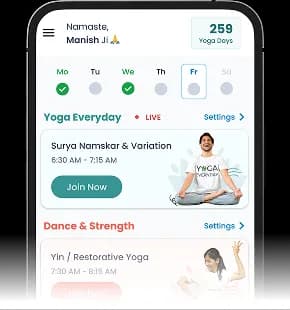
Continue your habit on the Habuild app
Use the Habuild app for reminders, live access, progress support, and habit tracking.