Bhojpatra: Benefits, Uses & Ayurvedic Properties
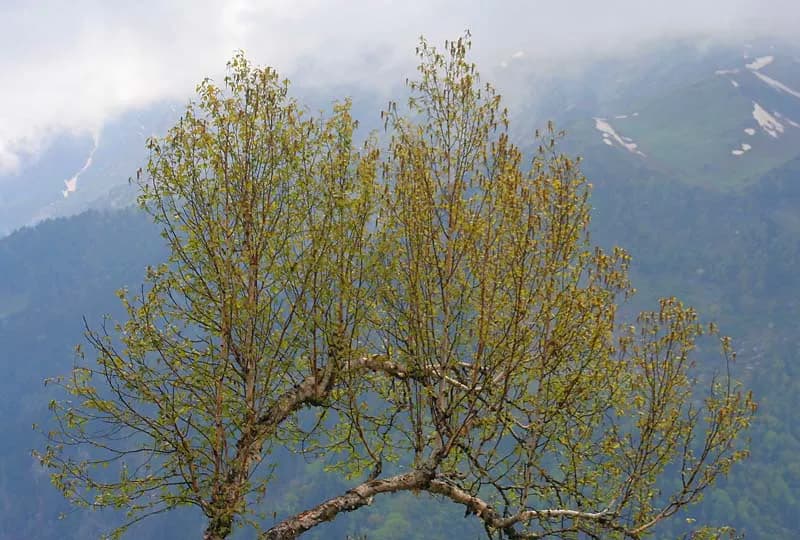
Bhojpatra (Betula utilis), the Himalayan Silver Birch, is a sacred and medicinal Ayurvedic herb from the high Himalayas. Its bark has been used for.

Key Takeaways
- Ancient India’s ‘paper’ – sacred texts and Ayurvedic manuscripts were inscribed on its bark.
- Classical texts describe its oil for treating Apasmara, epilepsy, and Unmada, psychosis.
- Betulin and betulinic acid show neuroprotective effects, reducing neuroinflammation.
- Betulin promotes keratinocyte migration, aiding wound healing in eczema and psoriasis.
- Birch tar has treated psoriasis and chronic eczema across Himalayan and European medicine.
- Its heating, Kapha-reducing qualities help clear excess mucus in bronchitis and cough.
Bhojpatra (Bhurja), botanically Betula utilis D. Don, belonging to the Betulaceae family, is the Himalayan Silver Birch — a majestic tree native to the subalpine and alpine zones of the Himalayas at elevations between 3,000 and 4,500 meters. For millennia, Bhojpatra was the “paper” of ancient India — sacred texts, Ayurvedic manuscripts, and tantric writings were inscribed on its thin, parchment-like bark. Beyond its cultural and spiritual significance, Ayurveda recognizes Bhojpatra for its therapeutic actions on the nervous system, skin, respiratory tract, and as an anti-inflammatory agent. Modern research confirms its antioxidant, anti-inflammatory, and antimicrobial properties.
Ayurvedic Properties of Bhojpatra
| Property | Value |
| --- | --- |
| Sanskrit Name | Bhurja, Bahupatra, Chitrapatra |
| Other Names | Bhojpatra (Hindi), Himalayan Silver Birch, Birch bark, Bhoj tree, Bhurjapatra |
| Botanical Name | Betula utilis D. Don |
| Plant Family | Betulaceae |
| Part Used | Bark (outer and inner), leaves, resin, tar |
| Rasa (Taste) | Tikta (bitter), Kashaya (astringent) |
| Guna (Quality) | Laghu (light), Ruksha (dry) |
| Virya (Potency) | Ushna (heating) |
| Vipaka | Katu (pungent post-digestive effect) |
| Doshic Action | Kapha-Vata shamaka (balances Kapha and Vata) |
| Primary Action | Medhya (nootropic/nerve tonic), Kandughna (anti-pruritic), Shothahara (anti-inflammatory), Krimighna (antimicrobial), Vedanasthapana (analgesic) |
Health Benefits of Bhojpatra
- Neurological and Cognitive Support (Medhya Rasayana) Bhojpatra is classified as a Medhya (brain-nourishing) herb in Ayurveda, used to enhance memory, cognitive function, and mental clarity. Its nervous system-supporting properties make it valuable for conditions like anxiety, insomnia, epilepsy, and neurological disorders. Classical texts describe the therapeutic use of Bhojpatra oil and preparations for treating Apasmara (epilepsy) and Unmada (psychosis/mental disorders). The betulin and betulinic acid found in Birch bark have shown neuroprotective effects in modern research, supporting cell membrane integrity and reducing neuroinflammation.
- Skin Disease and Wound Healing Bhojpatra bark applied topically is used in Ayurveda for skin conditions including eczema, psoriasis, wounds, burns, and parasitic skin infections. Its astringent and antimicrobial properties prevent secondary infection while promoting tissue healing. The birch tar derived from Bhojpatra has been used in traditional European and Himalayan medicine for psoriasis and chronic eczema. Studies confirm that betulin, a major triterpenoid in birch bark, promotes keratinocyte migration and wound healing, while lupeol has significant anti-inflammatory action on inflamed skin.
- Respiratory Health and Cough Management The Kapha-reducing, heating properties of Bhojpatra make it valuable for respiratory conditions involving excess mucus, bronchitis, and cough. Its antimicrobial action against respiratory pathogens combined with its expectorant properties help clear congested airways. Bhojpatra smoke (dhupana) is used in classical Ayurveda for fumigating and purifying the respiratory environment, and small doses of bark decoction support recovery from chronic cough and respiratory infections.
- Anti-Inflammatory and Joint Pain Relief Betulinic acid and other triterpenoids in Bhojpatra demonstrate potent anti-inflammatory effects by inhibiting NF-κB signaling and reducing pro-inflammatory cytokines. This makes Bhojpatra preparations useful for arthritis, rheumatic pain, and inflammatory conditions. Classical Ayurvedic texts describe the use of Bhurja bark paste externally for swollen joints and inflammation. Modern studies published in Inflammation journal confirm significant COX-2 inhibitory activity comparable to standard NSAIDs.
- Oral Health and Dental Hygiene Like many astringent bark herbs, Bhojpatra has application in oral health. Its antimicrobial properties inhibit dental pathogens while its tannins tighten gum tissue and reduce inflammation. Traditional Himalayan communities have used Bhurja bark as a natural tooth cleaner. Xylitol, a natural sugar alcohol found in birch, has well-established anti-caries (cavity-preventing) activity endorsed by modern dentistry, providing a scientific basis for this traditional application.
- Detoxification and Blood Purification Bhojpatra is used in Ayurveda as a Raktashodhaka (blood purifier) and is included in formulations for chronic skin disorders rooted in blood impurities, urinary tract conditions, and systemic inflammation. Its bitter taste and heating virya help clear ama (metabolic toxins) from blood and tissues. The diuretic property of birch preparations further supports kidney-mediated elimination of metabolic waste products.
- Anti-Cancer and Apoptotic Research (Emerging Evidence) Betulinic acid from Bhojpatra/Birch bark is one of the most researched natural compounds in cancer biology. Multiple studies have demonstrated its selective pro-apoptotic (programmed cell death) activity in melanoma, neuroblastoma, and other cancer cell lines, while sparing normal cells. While this research is primarily preclinical, it represents a significant area of modern pharmacological validation for a historically sacred herb. A review in Natural Product Reports highlighted betulinic acid as one of the most promising natural anticancer leads in current research.
How to Use Bhojpatra
| Form | Preparation | Dosage | Best Time |
| --- | --- | --- | --- |
| Decoction (Kwatha) | Boil 5–10 g dried bark in 200 ml water, reduce to 50 ml | 30–50 ml twice daily | After meals |
| Powder (Churna) | Dried bark ground to fine powder | 1–3 g twice daily with honey or warm water | After meals |
| Topical Paste | Bark powder mixed with sesame oil or water | Apply to affected skin areas twice daily | Morning and evening |
| Bhojpatra Oil | Medicated oil prepared with bark — available from Ayurvedic pharmacies | Apply to scalp/joints as needed | Massage for 20–30 min before bath |
| Dhupana (Fumigation) | Burn dried bark as incense/fumigant | In enclosed space for 5–10 minutes | For respiratory and environmental purification |
Side Effects and Precautions
Known Contraindications
- Known allergy to birch pollen — may indicate potential cross-reactivity to bark preparations
- Excessive internal use may cause gastric irritation due to astringent tannins
- High doses may increase Vata in already Vata-dominant individuals
Drug Interactions
- Tannins may reduce absorption of certain medications — separate doses by 2 hours
- Betulinic acid may interact with anticancer drugs (if using pharmaceutical doses)
- May potentiate diuretic medications
Who Should Avoid
- Individuals with birch pollen allergy or known sensitivity to the Betulaceae family
- Pregnant women — avoid internal use without physician guidance
- Those with severe dry skin conditions (Vata-dominant) — topical birch tar may worsen dryness
Safe Dosage Range
The classical safe dosage for Bhojpatra bark powder is 1–3 grams twice daily; for decoction, 30–50 ml twice daily after meals. Topical use of bark preparations is generally safe for extended periods. Always consult a qualified Ayurvedic physician for therapeutic use.
Classical Text References
Charaka Samhita (Chikitsa Sthana 10) mentions Bhurja bark in formulations for neurological conditions and skin diseases. Sushruta Samhita references Bhurjapatra in surgical wound management and as a writing material for surgical texts. Ashtanga Hridayam describes Bhurja’s properties and its use in Medhya Rasayana (brain-nourishing tonics) and Kushtha (skin disease) treatments.
Frequently Asked Questions
Related Articles

Bharangi: Benefits, Uses & Ayurvedic Properties
Bharangi (Clerodendrum serratum) is a classical Ayurvedic herb for asthma, sinusitis, and chronic cough. Explore its properties, dosage, and evidence-based respiratory benefits.

Banafsha: Benefits, Uses & Ayurvedic Properties
Banafsha (Viola odorata / Sweet Violet) is a powerful Ayurvedic herb for cough, asthma, fever, and skin inflammation. Discover its benefits, dosage, and traditional uses.

Badi Elaichi (Large Cardamom): Benefits, Uses & Ayurvedic Properties
Badi Elaichi (Amomum subulatum), Black or Large Cardamom, is an Ayurvedic spice herb prized for digestive, respiratory, and cardiac support. Learn its Ayurvedic properties, health benefits, and how to use it safely.