
Elaichi: Benefits, Uses & Ayurvedic Properties
Elaichi (Cardamom, Elettaria cardamomum) is the queen of spices in Ayurveda, prized for its digestive, respiratory, and heart-supporting properties..


Key Takeaways
- Earns the title Queen of Spices as one of the oldest valued spices in medicine and cooking.
- Stimulates digestion without aggravating Pitta, a rare combination among warming spices.
- Essential oil compounds 1,8-cineole and linalool show antimicrobial activity against oral bacteria.
- Classified as Mukhashuddhikara, oral purifier, used as a natural breath freshener for millennia.
- 1,8-cineole acts as a well-known bronchodilator and mucolytic agent for the lungs.
- Clinical research confirms it reduces gastric emptying time and improves indigestion symptoms.
Elaichi (Sanskrit: एला, Ela), commonly known as Cardamom, botanically Elettaria cardamomum (L.) Maton, belonging to the family Zingiberaceae, is native to the evergreen forests of Southern India and Sri Lanka. Often called the “Queen of Spices,” Elaichi is one of the oldest and most valued spices in both culinary and medicinal traditions. Ayurveda uses it for digestive health, respiratory conditions, oral health, heart support, and as an aromatic tonic. Modern research confirms its antioxidant, antimicrobial, and anti-inflammatory properties.
Ayurvedic Properties of Elaichi
| Property | Value |
| --- | --- |
| Sanskrit Name | Ela, Sukshmaila, Truti, Dravidaja |
| Other Names | Green Cardamom, True Cardamom, Elaichi (Hindi), Elakkai (Tamil), Velchi (Marathi) |
| Botanical Name | Elettaria cardamomum (L.) Maton |
| Plant Family | Zingiberaceae |
| Part Used | Seeds and seed pods (fruits) |
| Rasa (Taste) | Madhura (sweet), Katu (pungent) |
| Guna (Quality) | Laghu (light), Ruksha (dry) |
| Virya (Potency) | Sheeta (cooling) |
| Vipaka | Madhura (sweet post-digestive effect) |
| Doshic Action | Tridosha shamaka — balances Vata, Pitta, and Kapha; particularly excellent for Pitta and Vata |
| Primary Action | Deepana (digestive stimulant), Hridya (cardiotonic), Mukhashuddhikara (oral purifier), Shvasahara (anti-asthmatic), Mutral (diuretic), Vrishya (aphrodisiac) |
Health Benefits of Elaichi
- Digestive Health and Carminative Action Elaichi is one of Ayurveda’s most effective Deepana (digestive stimulant) and carminative spices, improving digestive fire without aggravating Pitta — a rare combination. Its cooling potency and sweet post-digestive effect allow it to stimulate digestion in Pitta-dominant individuals who cannot tolerate hotter spices. It relieves bloating, gas, nausea, and stomach cramps by relaxing smooth muscle in the gastrointestinal tract. Clinical studies confirm cardamom’s ability to reduce gastric emptying time and improve symptoms of indigestion. (Journal of Ethnopharmacology, 2006)
- Oral Health and Breath Freshening Classified as Mukhashuddhikara (oral purifier), Elaichi has been used as a natural mouth freshener for millennia. The essential oil — rich in 1,8-cineole, α-terpinyl acetate, and linalool — has potent antimicrobial activity against oral pathogens including Streptococcus mutans and Candida albicans. Chewing cardamom seeds after meals is a traditional Indian practice for freshening breath, preventing dental caries, and promoting oral hygiene. This aligns with modern research confirming significant antimicrobial activity of cardamom essential oil against oral bacteria. (Journal of Dental Research, 2009)
- Respiratory Support and Bronchodilation As Shvasahara (anti-asthmatic) and Kasahara (antitussive), Elaichi supports respiratory health by dilating bronchioles and reducing mucus congestion. 1,8-cineole (eucalyptol), the primary component of cardamom essential oil, is a well-known bronchodilator and mucolytic agent. Inhalation of cardamom essential oil relaxes bronchial smooth muscle and promotes mucus clearance. Classical Ayurvedic formulas for asthma, chronic cough, and bronchitis frequently include Ela alongside other respiratory herbs.
- Heart Health and Blood Pressure Management Elaichi is classified as Hridya (cardiotonic) and has been shown in clinical trials to reduce blood pressure. A randomized controlled trial found that daily supplementation with cardamom powder for 12 weeks significantly reduced systolic and diastolic blood pressure in newly diagnosed hypertensive patients. The antioxidant compounds prevent LDL cholesterol oxidation and reduce fibrinolytic activity, supporting cardiovascular health comprehensively. (Indian Journal of Biochemistry and Biophysics, 2009)
- Antioxidant and Anti-inflammatory Properties Elaichi contains potent antioxidant compounds including flavonoids, terpenoids, and volatile oils that neutralize free radicals and reduce oxidative stress. The DPPH radical scavenging activity of cardamom extracts is comparable to standard antioxidants. These antioxidant properties, combined with inhibition of COX-2 and NF-κB pathways, contribute to its anti-inflammatory effects relevant to chronic inflammatory conditions. Regular consumption of cardamom is associated with reduced markers of systemic inflammation. (Food Chemistry, 2013)
- Kidney and Urinary Health As Mutral (diuretic), Elaichi supports kidney detoxification and helps manage urinary conditions including dysuria and kidney stones. Its diuretic action increases urine output, flushing urinary tract pathogens and reducing the concentration of stone-forming minerals. The anti-inflammatory and antimicrobial properties additionally benefit urinary tract infections. Ayurvedic texts prescribe cardamom decoctions for Mutrakriccha (painful urination) and Ashmari (kidney stones) management.
- Blood Sugar Regulation and Metabolic Support Emerging research demonstrates Elaichi’s potential in blood sugar management and metabolic syndrome. Animal studies show cardamom extract reduces fasting blood glucose, improves insulin sensitivity, and lowers total cholesterol and triglycerides. The mechanism involves enhancement of GLUT-4 expression and reduction of hepatic gluconeogenesis. These findings align with Ayurvedic use of Ela in Prameha (diabetes-related) formulations as an aromatic digestive adjunct. (Journal of Medicinal Food, 2010)
How to Use Elaichi
| Form | Preparation | Dosage | Best Time |
| --- | --- | --- | --- |
| Whole pods (chewing) | Chew 2–3 whole pods after meals | 2–3 pods | After meals for digestion and oral health |
| Powder with honey | 1/4 to 1/2 tsp cardamom powder mixed with honey | 0.5–1.5 g twice daily | After meals |
| Cardamom tea/decoction | Boil 3–5 pods in 200 ml water for 5 min; add milk and honey optionally | 1 cup, 1–2 times daily | Morning or after meals |
| In Golden Milk | Add 1/4 tsp to warm milk with turmeric and ginger | 1 cup daily | Bedtime |
| Essential oil (aromatherapy) | 2–3 drops diffused or diluted in carrier oil | As needed | For respiratory and calming effects |
Side Effects and Precautions
Known Contraindications
- Gallstones — cardamom may stimulate bile production; use cautiously if gallstones are present
- Excess amounts may cause allergic reactions in sensitive individuals
- Individuals on anticoagulant therapy — mild blood-thinning properties
Drug Interactions
- Anticoagulant drugs (warfarin) — may mildly enhance blood-thinning effects
- Antihypertensive medications — may have additive blood pressure-lowering effects; monitor
- Antidiabetic medications — may enhance glucose-lowering effects
Who Should Avoid
- Those with known cardamom allergy
- Individuals with active gallstone complications
- Medicinal doses in early pregnancy without medical supervision (culinary amounts are safe)
Safe Dosage Range
Culinary use of Elaichi is safe for everyone. Therapeutic doses range from 1–3 g of cardamom powder daily. The essential oil should be diluted before topical use (1–2% in carrier oil). Elaichi is exceptionally safe with an extensive history of both culinary and medicinal use across populations.
Classical Text References
Charaka Samhita (Sutrasthana 27) classifies Ela (Elaichi) as Hridya (cardiotonic), Deepana, and Mukhashuddhikara. Ashtanga Hridayam (Sutrasthana 6.168) includes Ela in Eladi Gana, a group of aromatic herbs used for respiratory and digestive conditions. Sushruta Samhita includes cardamom in multiple compound formulations for Prameha, respiratory disorders, and as an anupana (vehicle) enhancing the efficacy of other medicines.
Frequently Asked Questions
Related Articles

Badi Elaichi (Large Cardamom): Benefits, Uses & Ayurvedic Properties
Badi Elaichi (Amomum subulatum), Black or Large Cardamom, is an Ayurvedic spice herb prized for digestive, respiratory, and cardiac support. Learn its Ayurvedic properties, health benefits, and how to use it safely.


Bharangi: Benefits, Uses & Ayurvedic Properties
Bharangi (Clerodendrum serratum) is a classical Ayurvedic herb for asthma, sinusitis, and chronic cough. Explore its properties, dosage, and evidence-based respiratory benefits.

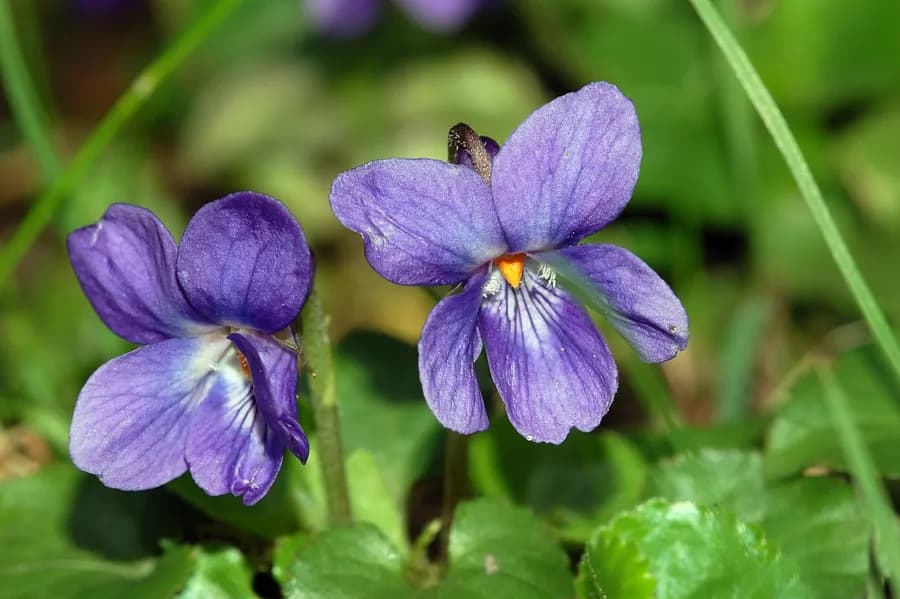
Banafsha: Benefits, Uses & Ayurvedic Properties
Banafsha (Viola odorata / Sweet Violet) is a powerful Ayurvedic herb for cough, asthma, fever, and skin inflammation. Discover its benefits, dosage, and traditional uses.