Jimikand: Benefits, Uses & Ayurvedic Properties
Jimikand (Amorphophallus paeoniifolius), the Elephant Foot Yam or Surana, is a powerhouse Ayurvedic root vegetable used for piles, digestive disorders.

Key Takeaways
- Its Sanskrit synonym Arshoghna literally means ‘destroyer of piles,’ its premier use.
- The classical Surana Modaka preparation is a specific Ayurvedic formula for hemorrhoids.
- A Journal of Ethnopharmacology study confirmed venotonic activity supporting anti-piles use.
- Classified Yakriduttejaka, a liver tonic used for hepatomegaly, dysfunction, and jaundice.
- Research showed hepatoprotective activity against carbon tetrachloride-induced liver toxicity.
- Its pungent, dry, heating qualities shrink hemorrhoidal masses and reduce venous congestion.
Jimikand (Surana), botanically Amorphophallus paeoniifolius (Dennst.) Nicolson, belonging to the Araceae family, is a large tuberous plant native to South and Southeast Asia, widely cultivated throughout tropical India. Known as Elephant Foot Yam in English, it is both a nutritious food crop and a potent medicinal herb in Ayurveda. Classical texts place Surana among the top herbs for treating Arsha (hemorrhoids/piles) — a use that has been validated by modern research. Beyond piles, Jimikand is used for liver diseases, digestive disorders, respiratory conditions, and as an anti-inflammatory agent.
Ayurvedic Properties of Jimikand
| Property | Value |
| --- | --- |
| Sanskrit Name | Surana, Kandashura, Arshoghna |
| Other Names | Jimikand (Hindi), Elephant Foot Yam, Suran, Oal (Bengali), Ol (Odia), Senai Kizhangu (Tamil) |
| Botanical Name | Amorphophallus paeoniifolius (Dennst.) Nicolson |
| Plant Family | Araceae |
| Part Used | Corm (tuber/underground stem), sometimes leaves and petioles |
| Rasa (Taste) | Katu (pungent), Tikta (bitter), Kashaya (astringent) |
| Guna (Quality) | Laghu (light), Ruksha (dry), Sara (mobile) |
| Virya (Potency) | Ushna (heating) |
| Vipaka | Katu (pungent post-digestive effect) |
| Doshic Action | Kapha-Vata shamaka (balances Kapha and Vata) |
| Primary Action | Arshoghna (anti-hemorrhoidal), Deepana (digestive stimulant), Yakriduttejaka (liver tonic), Shothahara (anti-inflammatory), Krimighna (antiparasitic) |
Health Benefits of Jimikand
- Hemorrhoids (Piles) — Premier Arshoghna Herb Jimikand holds the distinction of being one of Ayurveda’s most celebrated Arshoghna (hemorrhoid-relieving) herbs. Its Sanskrit synonym Arshoghna literally means “destroyer of piles.” The combination of its pungent, bitter, astringent tastes with heating potency and dry quality helps shrink hemorrhoidal masses, reduce venous congestion, control bleeding, and correct the underlying constipation that contributes to piles. The classical preparation Surana Modaka is a specific Ayurvedic formulation for hemorrhoids. A pharmacological study in the Journal of Ethnopharmacology confirmed significant anti-inflammatory and venotonic activity supporting its traditional anti-hemorrhoidal use.
- Liver Health and Hepatoprotection Jimikand is classified as a Yakriduttejaka (liver stimulant and tonic) in Ayurveda and is used for hepatomegaly (enlarged liver), liver dysfunction, and jaundice. Its bitter and pungent tastes stimulate bile secretion and liver detoxification, while its antioxidant compounds protect hepatic cells from oxidative damage. Research published in Pharmaceutical Biology demonstrated hepatoprotective activity of Amorphophallus paeoniifolius extract against carbon tetrachloride-induced liver toxicity in animal models, showing significant reduction in liver enzyme markers (ALT, AST).
- Digestive Fire Stimulation and Constipation Relief As a Deepana herb, Jimikand powerfully stimulates agni (digestive fire), improving appetite, digestion, and nutrient absorption. Its fiber-rich corm and digestive alkaloids help regulate bowel movements, prevent constipation, and correct sluggish digestion (Mandagni). Regular consumption of properly prepared Jimikand as food or medicine ensures regular bowel habits — addressing the primary causative factor in hemorrhoid development. The soluble fiber (glucomannan) in the tuber acts as a prebiotic, nourishing beneficial gut bacteria.
- Anti-Inflammatory and Tumor-Inhibitory Effects The phytochemical profile of Jimikand includes flavonoids, tannins, and triterpenoids with significant anti-inflammatory activity. In vitro studies have shown that Amorphophallus paeoniifolius extracts inhibit NF-κB activity and reduce TNF-alpha and IL-6 production. Classical Ayurvedic texts describe its use in Gulma (abdominal tumor/mass) and Shoth (swelling), suggesting awareness of its anti-proliferative and anti-inflammatory potential. Several animal studies have documented tumor-inhibitory activity, making it a subject of ongoing cancer research.
- Respiratory Support — Asthma and Cough Jimikand’s Kapha-reducing and Ushna (heating) properties make it beneficial for respiratory conditions involving mucus accumulation — bronchial asthma, chronic cough, and Kapha-type bronchitis. Classical texts include Surana in formulations for Shwasa (asthma) and Kasa (cough), where it helps dissolve and expel excess Kapha from the respiratory tract. Its warming action promotes bronchodilation and helps clear congested airways in cold, damp weather conditions.
- Anti-Parasitic and Intestinal Health Jimikand demonstrates significant Krimighna (antiparasitic and antimicrobial) action, making it useful for intestinal parasitism and infective gut conditions. Its pungent alkaloids create an inhospitable environment for intestinal worms and pathogenic bacteria. Classical Ayurvedic physicians prescribed Surana preparations for Krimi Roga (worm infestation) and accompanying digestive disturbances including bloating, irregular stools, and abdominal pain.
How to Use Jimikand
| Form | Preparation | Dosage | Best Time |
| --- | --- | --- | --- |
| Cooked Vegetable | Properly cooked corm (boiled/roasted — never eat raw) | 100–200 g as part of meals | With lunch — main meal |
| Powder (Churna) | Dried, processed corm ground to powder | 3–6 g twice daily with warm water or buttermilk | After meals |
| Surana Modaka | Classical Ayurvedic formulation — available commercially | As per product instructions | After meals for hemorrhoids |
| Decoction (Kwatha) | Boil 10–15 g dried corm in 300 ml water, reduce to 100 ml | 50–100 ml twice daily | After meals |
| Medicated Buttermilk | Jimikand powder with buttermilk and ginger | 3 g powder in 200 ml buttermilk | After meals — especially for piles |
Side Effects and Precautions
Known Contraindications
- Raw Jimikand contains calcium oxalate crystals that cause intense burning and itching — NEVER eat raw
- Always cook thoroughly or process before consumption
- Excessive consumption may cause flatulence and abdominal discomfort
- Avoid during acute inflammatory conditions of the gut (active IBD flares)
Drug Interactions
- High fiber content may slow absorption of certain medications — take medications 1–2 hours before or after
- May potentiate blood-thinning medications through its antithrombotic properties
- Glucomannan content may affect blood sugar medications — monitor closely in diabetics
Who Should Avoid
- People with oxalate kidney stones or hypercalciuria — limit intake
- Pregnant women should avoid medicinal (high) doses; food quantities are generally acceptable
- Those with known allergy to Araceae family plants (colocasia/taro)
Safe Dosage Range
As food, properly cooked Jimikand is safe for regular consumption. As medicine, 3–6 grams of powder twice daily or 50–100 ml of decoction twice daily after meals is the standard therapeutic range. Always ensure thorough cooking or processing to neutralize calcium oxalate.
Classical Text References
Charaka Samhita (Chikitsa Sthana 14) includes Surana prominently in formulations for Arsha (hemorrhoids) and describes its Arshoghna (hemorrhoid-destroying) property. Sushruta Samhita lists it in the Arsha chikitsa (hemorrhoid treatment) chapter with specific preparations. Bhavaprakasha Nighantu (Haritakyadi Varga) provides detailed properties of Surana and its uses in liver disease, respiratory conditions, and piles.
Frequently Asked Questions
Related Articles

Bharangi: Benefits, Uses & Ayurvedic Properties
Bharangi (Clerodendrum serratum) is a classical Ayurvedic herb for asthma, sinusitis, and chronic cough. Explore its properties, dosage, and evidence-based respiratory benefits.

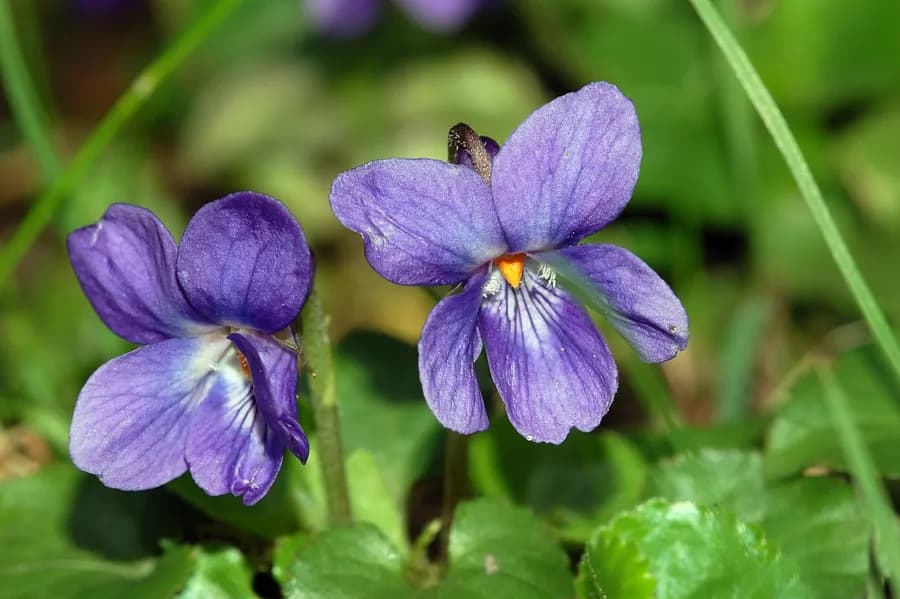
Banafsha: Benefits, Uses & Ayurvedic Properties
Banafsha (Viola odorata / Sweet Violet) is a powerful Ayurvedic herb for cough, asthma, fever, and skin inflammation. Discover its benefits, dosage, and traditional uses.

Badi Elaichi (Large Cardamom): Benefits, Uses & Ayurvedic Properties
Badi Elaichi (Amomum subulatum), Black or Large Cardamom, is an Ayurvedic spice herb prized for digestive, respiratory, and cardiac support. Learn its Ayurvedic properties, health benefits, and how to use it safely.