Kaladana: Benefits, Uses & Ayurvedic Properties
Learn about Kaladana (Krishnabija / Ipomoea nil) — a powerful Ayurvedic purgative herb. Explore its detoxification benefits, Ayurvedic properties.
Key Takeaways
- Its name refers to the dark, black seeds, the primary medicinal part used in Ayurveda.
- Among the most potent virechana purgative drugs, core to Panchakarma detox protocols.
- Pharbitic acid glycosides promote bowel movement even in stubborn chronic constipation.
- By clearing accumulated ama through purgation, it addresses a root cause of joint inflammation.
- Seeds contain calcium and magnesium that support bone density against osteoporosis.
- Traditionally used in gynaecology for uterine cleansing and hormonal balance support.
What is Kaladana?
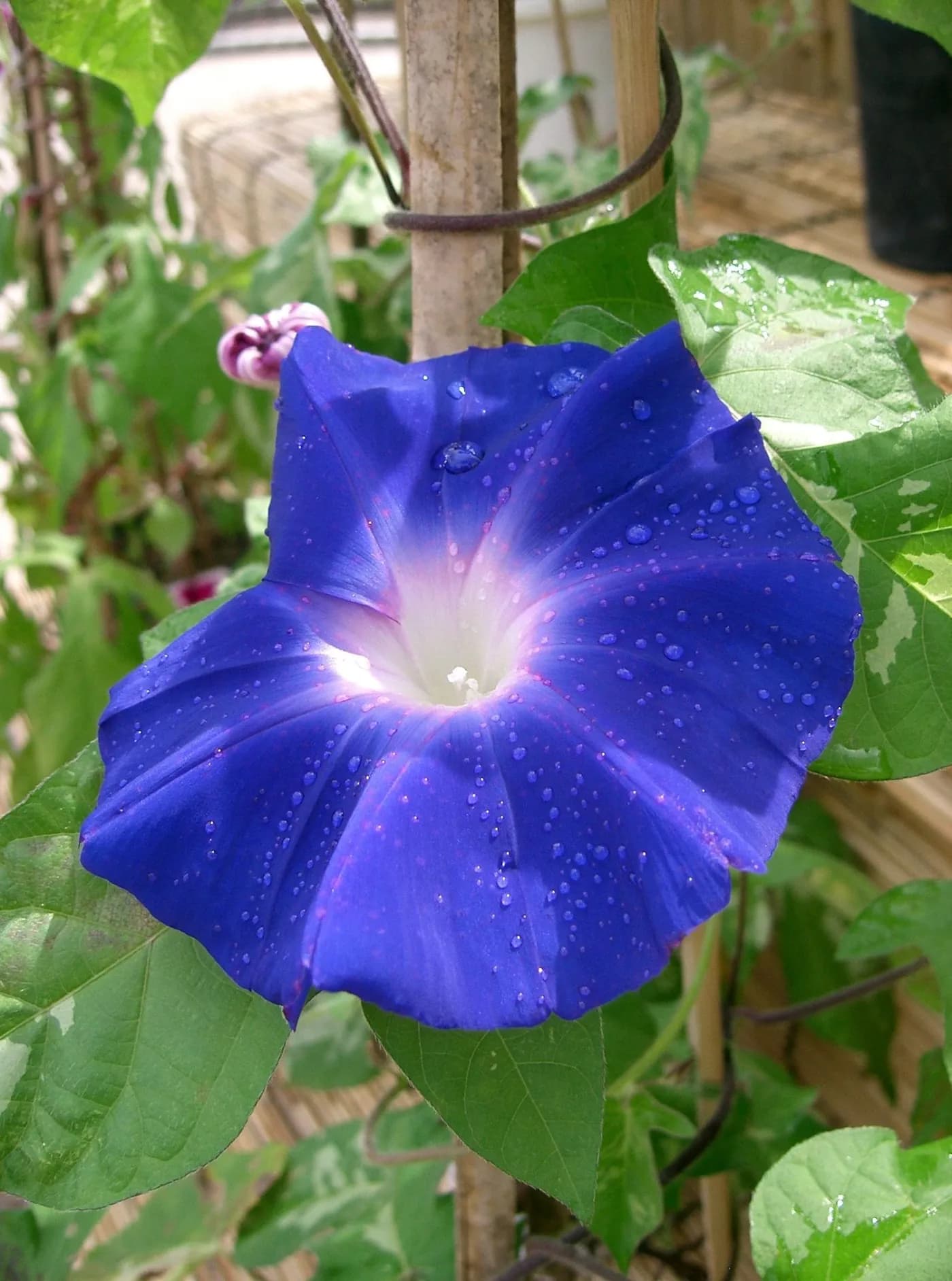
Kaladana, known in Sanskrit as Krishnabija (कृष्णबीज) or Kaladana (कालदान), is a potent medicinal herb in Ayurveda with the botanical name Ipomoea nil (also classified as Pharbitis nil). It is a climbing annual vine of the morning glory family, native to tropical Asia and widely naturalised across India. The name “Kaladana” refers to the dark (kala = black) seeds, which are the primary part used in Ayurvedic medicine for their powerful purgative and detoxifying properties.
Ayurvedic Properties of Kaladana
| Property | Detail |
| --- | --- |
| Sanskrit Name | Krishnabija (कृष्णबीज), Kaladana |
| Rasa (Taste) | Tikta (Bitter), Katu (Pungent) |
| Guna (Quality) | Rooksha (Dry), Tikshna (Sharp), Laghu (Light) |
| Virya (Potency) | Ushna (Hot) |
| Vipaka (Post-digestive) | Katu (Pungent) |
| Dosha Effect | Balances Vata and Kapha; strong virechana (purgative) action |
| Part Used | Seeds |
Health Benefits of Kaladana
- Powerful Purgative and Detoxification Kaladana seeds are among the most potent virechana (purgative) drugs in classical Ayurveda, used to eliminate accumulated Kapha and Vata toxins from the lower gastrointestinal tract. This makes it a core herb in Panchakarma detox protocols, particularly for cleansing procedures prescribed for chronic constipation, abdominal bloating, and accumulation of ama (metabolic toxins). The seeds stimulate intestinal peristalsis and facilitate thorough bowel evacuation.
- Constipation Relief The resinous glycosides (pharbitic acids) in Kaladana seeds promote effective bowel movement even in stubborn, chronic constipation cases where milder laxatives are insufficient. Ayurvedic physicians prescribe small doses of Kaladana as part of compound formulations to reestablish regular bowel habits and improve overall digestive function.
- Anti-inflammatory Properties Kaladana possesses notable anti-inflammatory activity that supports management of joint disorders, particularly those with Kapha and Vata involvement such as rheumatoid arthritis (Amavata) and sciatica. By clearing accumulated ama through its purgative action, it addresses one of the root causes of inflammatory joint disease in Ayurvedic understanding.
- Bone Health Support Traditional Ayurvedic use of Kaladana includes its role in bone health formulations. The seeds contain essential fatty acids, calcium, and magnesium that contribute to maintaining bone density and preventing conditions like osteoporosis, especially when combined with other mineral-rich herbs in compound preparations.
- Hormonal Balance and Women’s Health Kaladana has been traditionally used in Ayurvedic gynaecology for managing menstrual irregularities, promoting uterine cleansing, and supporting hormonal balance in women. Its ability to clear accumulated Kapha and Vata from the pelvic region makes it relevant in managing conditions such as uterine fibroids and polycystic ovaries under qualified supervision.
- Liver and Metabolic Health The detoxifying properties of Kaladana extend to supporting liver function by facilitating the clearance of accumulated wastes and improving metabolic processes. Regular use in appropriate formulations may support healthy cholesterol levels and cardiovascular function through its antioxidant and lipid-modulating properties.
How to Use Kaladana
| Form | Dosage | How to Take |
| --- | --- | --- |
| Seed powder (Churna) | 250–500 mg once daily | Mixed with warm water or castor oil under physician guidance; typically for short-term use only |
| Classical compound (e.g. Kaladanadi churna) | As prescribed | Per Ayurvedic physician’s instruction; usually taken with warm water at bedtime |
| Decoction (Kwatha) | 15–20 ml once daily | Prepared from seed and supportive herbs; taken on empty stomach for detox protocols |
Side Effects & Precautions
Kaladana is a potent drug and must be used with great caution and strictly under qualified Ayurvedic supervision. Overdose causes severe diarrhoea, abdominal cramps, dehydration, and electrolyte imbalance. It is absolutely contraindicated during pregnancy as it can cause uterine contractions and miscarriage. Not suitable for children, elderly with weakness, or those with inflammatory bowel disease. People with sesame or seed allergies and those with gallbladder conditions should avoid it. This herb should never be self-administered in purgative doses.
Classical References
Kaladana is referenced in Bhavaprakasha Nighantu under the Haritakyadi varga as a virechana dravya (purgative substance) with sharp, heating properties. It appears in compound formulations designed for Panchakarma detoxification in several Ayurvedic texts. Yogaratnakara mentions its use in formulations for abdominal disorders and Kapha-Vata imbalances. Classical texts consistently emphasise the need for physician guidance and proper shodhana (purification) of the seeds before use.
Frequently Asked Questions
Related Articles

Bharangi: Benefits, Uses & Ayurvedic Properties
Bharangi (Clerodendrum serratum) is a classical Ayurvedic herb for asthma, sinusitis, and chronic cough. Explore its properties, dosage, and evidence-based respiratory benefits.

Banafsha: Benefits, Uses & Ayurvedic Properties
Banafsha (Viola odorata / Sweet Violet) is a powerful Ayurvedic herb for cough, asthma, fever, and skin inflammation. Discover its benefits, dosage, and traditional uses.

Badi Elaichi (Large Cardamom): Benefits, Uses & Ayurvedic Properties
Badi Elaichi (Amomum subulatum), Black or Large Cardamom, is an Ayurvedic spice herb prized for digestive, respiratory, and cardiac support. Learn its Ayurvedic properties, health benefits, and how to use it safely.