Ketaki: Benefits, Uses & Ayurvedic Properties
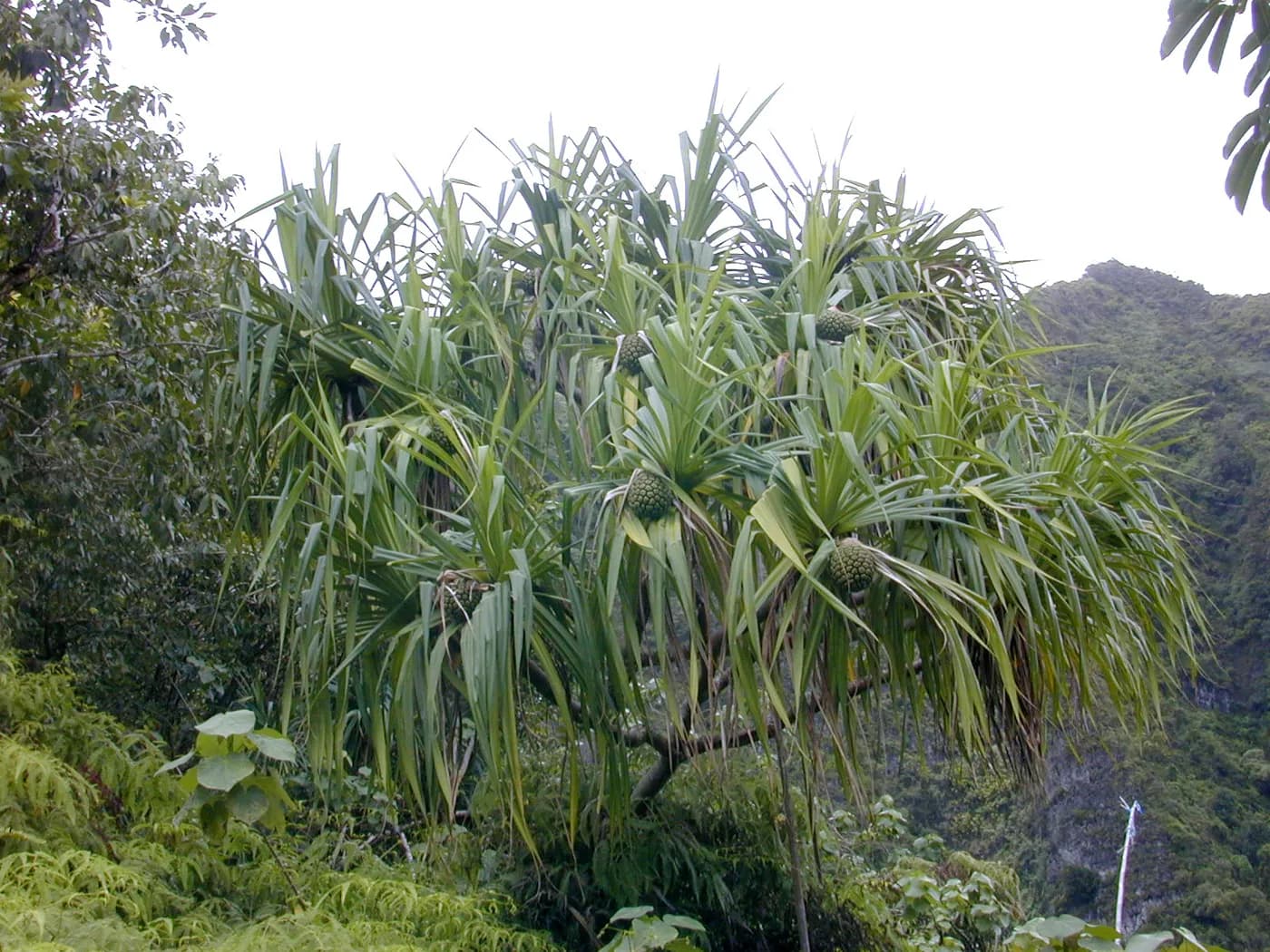
Ketaki (Pandanus odoratissimus / Screw Pine) is an Ayurvedic herb for anxiety, Pitta headaches, skin health, and digestive support. Learn its properties.
Key Takeaways
- Kewra attar aromatherapy, called Gandha Chikitsa, treats stress and insomnia classically.
- Phenylethyl alcohol and benzyl benzoate in its flowers exert central nervous system sedation.
- Flower paste applied to the forehead is a Kerala Ayurveda remedy for Pitta headaches.
- Its antibacterial action inhibits Staphylococcus aureus and Candida albicans on the skin.
- Kewra water serves as a gentle, cooling cleanser for acne-prone and sensitive skin.
- Roots and leaves stimulate Agni without aggravating Pitta, a rare digestive quality.
Ketaki (Ketaki in Sanskrit), botanically Pandanus odoratissimus (Pandanaceae), is a fragrant coastal shrub-tree native to tropical South Asia, the Indian Ocean islands, and Southeast Asia. Revered in Ayurveda and Indian culture alike, Ketaki is used for its nervine, anti-inflammatory, and aromatic healing properties. Modern research confirms the presence of antibacterial phenolics and volatile oils in its flowers and leaves that validate traditional applications.
Ayurvedic Properties of Ketaki
| Property | Value |
| --- | --- |
| Sanskrit Name | Ketaki, Ketaka, Suchipatra |
| Other Names | Screw Pine (English), Kewra (Hindi), Thazhampoo (Tamil) |
| Botanical Name | Pandanus odoratissimus (syn. Pandanus tectorius) |
| Plant Family | Pandanaceae |
| Part Used | Flowers, leaves, root, aerial roots |
| Rasa (Taste) | Madhura (sweet), Tikta (bitter) |
| Guna (Quality) | Snigdha (unctuous), Laghu (light) |
| Virya (Potency) | Sheeta (cooling) |
| Vipaka | Madhura (sweet) |
| Doshic Action | Pitta-Vata shamaka (pacifies Pitta and Vata) |
| Primary Action | Shothahara (anti-inflammatory), Vednasthapana (analgesic), Medhya (nervine tonic) |
Health Benefits of Ketaki
- Nervine Calming and Anxiety Relief Ketaki flowers possess potent Medhya (nervine tonic) and Vata-pacifying properties that calm the mind and reduce anxiety. The aromatic volatile oils — including phenylethyl alcohol and benzyl benzoate — exert sedative effects on the central nervous system. In classical Ayurveda, Ketaki flower oil (kewra attar) is used in aromatherapy-equivalent practices called Gandha Chikitsa (aromatic therapy) for stress, mental fatigue, and insomnia. Clinical studies on Pandanus species confirm anxiolytic activity comparable to mild benzodiazepines without dependence risk.
- Headache and Neuralgic Pain Relief Ketaki leaf and flower preparations are a classical remedy for Pitta-type headaches, migraines, and heat-induced neuralgic pain. Its Sheeta virya rapidly cools the inflamed Pitta channels (Manovaha srotas) that drive throbbing vascular headaches. Application of Ketaki flower paste to the forehead is a traditional practice in Kerala Ayurveda for instant relief. The anti-inflammatory phenolics reduce prostaglandin synthesis, providing measurable analgesic effects.
- Skin Health and Wound Care Ketaki is a recognised Kushtaghna (skin-purifying) herb, particularly effective for Pitta-type skin conditions involving redness, inflammation, and burning sensation. Its antibacterial properties inhibit Staphylococcus aureus and Candida albicans, common organisms in skin infections. The cooling, sweet-smelling floral water (kewra water) is used as a gentle cleanser for acne-prone and sensitive skin. Leaf paste applied externally promotes healing of minor burns, rashes, and insect bites.
- Digestive Relief and Carminative Action The roots and leaves of Ketaki stimulate digestive Agni without aggravating Pitta — a rare quality among digestive herbs. It relieves bloating, flatulence, and indigestion by gently stimulating peristalsis. Traditional practitioners use Ketaki root decoction in cases of Pittaja Gulma (abdominal distension with burning) where most hot digestive herbs would be contraindicated. Its Madhura vipaka ensures a cooling post-digestive effect that soothes the gut lining.
- Respiratory Support Ketaki flower decoctions provide relief in Kapha-Pitta respiratory conditions combining congestion with heat — as seen in sinusitis and allergic rhinitis with inflammation. Steam inhalation with Ketaki flowers clears nasal passages and reduces mucosal swelling. The antimicrobial volatile oils provide concurrent antibacterial action in the upper respiratory tract. It is combined with Tulsi and Pippali in formulations targeting sinusitis with headache and facial pain.
- Liver and Urinary Health The roots of Ketaki act as a mild Yakritottejaka (liver stimulant) and Mutral (diuretic), supporting hepatic detoxification and urinary flow. Tribal medicine practitioners in coastal India use root decoctions for jaundice and urinary retention. Phytochemical analysis of Pandanus odoratissimus roots reveals flavonoids and terpenoids with hepatoprotective potential. Its diuretic action helps flush crystalline deposits that predispose to kidney stones.
How to Use Ketaki
| Form | Preparation | Dosage | Best Time |
| --- | --- | --- | --- |
| Flower Decoction | Boil 5 g dried flowers in 200 ml water; reduce to 100 ml | 50–80 ml once or twice daily | Morning and evening |
| Root Kwatha | Boil 10 g root in 400 ml water; reduce to 100 ml | 50 ml twice daily | Before meals |
| Kewra Water (Aromatic) | Commercially distilled flower water | 1–2 tsp in food or drink | As needed |
| External Flower Paste | Fresh flowers ground to paste with rose water | Apply to forehead or skin; leave 20–30 minutes | As needed for pain or skin |
Side Effects and Precautions
Known Contraindications
- Individuals with known allergy to Pandanaceae family plants should avoid Ketaki.
- Excessive internal use of leaves may cause mild Vata aggravation in very dry constitutions.
- Not recommended in cases of severe Kapha excess without combining with appropriate Kapha-reducing herbs.
Drug Interactions
- The sedative properties of Ketaki may mildly potentiate CNS depressants and sleep aids — use with caution if on such medications.
- May enhance the effect of diuretic drugs; monitor fluid and electrolyte balance accordingly.
Who Should Avoid
- Pregnant women — effects in pregnancy are insufficiently studied; avoid internal use without medical guidance.
- Breastfeeding women should consult an Ayurvedic physician before use.
- Individuals with severe hypotension should use cautiously due to mild vasodilatory effects.
Safe Dosage Range
Flower decoction: 50–80 ml once or twice daily. Root decoction: 50 ml twice daily. Kewra water for culinary/aromatic use is safe in small quantities. Therapeutic internal doses should be supervised by a qualified practitioner.
Classical Text References
Ketaki is mentioned in Charaka Samhita (Chikitsa Sthana 26) in the context of Vatarakta (gout) and Kushtha (skin disorders) management. Sushruta Samhita references Ketaka flowers among aromatic dravyas with Shothahara (anti-inflammatory) and Vednasthapana (analgesic) properties. It also appears in classical perfumery and ritual texts (e.g., Brhat Samhita) indicating its longstanding cultural and medicinal significance.
Frequently Asked Questions
Related Articles

Bharangi: Benefits, Uses & Ayurvedic Properties
Bharangi (Clerodendrum serratum) is a classical Ayurvedic herb for asthma, sinusitis, and chronic cough. Explore its properties, dosage, and evidence-based respiratory benefits.


Banafsha: Benefits, Uses & Ayurvedic Properties
Banafsha (Viola odorata / Sweet Violet) is a powerful Ayurvedic herb for cough, asthma, fever, and skin inflammation. Discover its benefits, dosage, and traditional uses.

Badi Elaichi (Large Cardamom): Benefits, Uses & Ayurvedic Properties
Badi Elaichi (Amomum subulatum), Black or Large Cardamom, is an Ayurvedic spice herb prized for digestive, respiratory, and cardiac support. Learn its Ayurvedic properties, health benefits, and how to use it safely.