Lajwanti: Benefits, Uses & Ayurvedic Properties
Lajwanti (Mimosa pudica), the touch-me-not plant, is a classical Ayurvedic herb known for its nervine, anti-inflammatory, wound-healing, and digestive.


Key Takeaways
- Its name means ‘shy one,’ referencing the plant’s dramatic touch-triggered leaf closure.
- Mimosine and flavonoids modulate GABA-A receptors, producing effects comparable to diazepam.
- A 2011 Journal of Ethnopharmacology study confirmed reduced stress-induced anxiety in rodents.
- Mimosine and tannins inhibit COX-2 enzymes, easing rheumatoid arthritis and osteoarthritis.
- A classical Sandhaniya herb in Sushruta’s surgical texts for accelerating wound repair.
- Its alkaloids inhibit Staphylococcus aureus, E. coli, and Candida albicans in wounds.
Lajwanti (लज्जावन्ती), botanically Mimosa pudica Linn., family Fabaceae (Mimosaceae), is a small, spreading sensitive plant native to South and Central America, now widely naturalised across tropical India, Sri Lanka, and Southeast Asia. Its name “Lajwanti” literally translates to “shy one” in Hindi — referring to the dramatic leaf-closing (seismonastic) response to touch. Ayurveda uses it as a powerful nervine sedative, anti-inflammatory, astringent, and wound-healing herb. Modern science has confirmed its anxiolytic, anticonvulsant, antidepressant, and antimicrobial properties.
Ayurvedic Properties of Lajwanti
| Property | Value |
| --- | --- |
| Sanskrit Name | Lajjalu (लज्जालु), Samanga, Namaskari |
| Other Names | Lajwanti (Hindi), Touch-me-not, Sensitive plant (English), Thottavadi (Tamil) |
| Botanical Name | Mimosa pudica Linn. |
| Plant Family | Fabaceae (Mimosaceae) |
| Part Used | Whole plant, roots, leaves, seeds |
| Rasa (Taste) | Tikta (bitter), Kashaya (astringent) |
| Guna (Quality) | Laghu (light), Ruksha (dry) |
| Virya (Potency) | Sheeta (cooling) |
| Vipaka | Katu (pungent post-digestive) |
| Doshic Action | Vata-Pitta shamaka; reduces Kapha in excess |
| Primary Action | Medhya (nervine), Vedanasthapana (analgesic), Sandhaniya (wound-healing), Grahi (astringent) |
Health Benefits of Lajwanti
- Nervine Sedative and Anxiety Relief Lajwanti is one of Ayurveda’s primary Medhya (brain-tonic) and Nidrajanana (sleep-promoting) herbs, with remarkable calming effects on an agitated nervous system. Its active alkaloid mimosine and flavonoids (quercetin, isovitexin) modulate GABA-A receptor activity, producing anxiolytic and mild sedative effects comparable to diazepam in animal studies. A study in Journal of Ethnopharmacology (2011) confirmed Mimosa pudica’s significant reduction of stress-induced anxiety behaviours in rodent models. Ayurvedic physicians prescribe Lajwanti root decoction for insomnia, generalised anxiety, nervous exhaustion, and stress-related headaches.
- Anti-Inflammatory and Joint Pain Relief Lajwanti contains potent anti-inflammatory compounds — mimosine, tannins, and flavonoids — that inhibit COX-2 enzymes and reduce prostaglandin synthesis, producing significant analgesic and anti-inflammatory effects. Clinical applications include rheumatoid arthritis, osteoarthritis, muscle sprains, and localised inflammatory swellings. When applied as a poultice or paste of leaves, it reduces swelling, redness, and pain. Internally, a decoction of roots provides systemic anti-inflammatory benefits for chronic joint disorders.
- Wound Healing and Antimicrobial Properties Lajwanti is a classical Sandhaniya (wound-healing) herb in Sushruta’s surgical texts, used to accelerate tissue repair and prevent infection in cuts, bruises, and skin ulcers. Its tannins produce astringent action that constricts blood vessels and reduces bleeding, while its alkaloids and flavonoids inhibit Staphylococcus aureus, E. coli, and Candida albicans — common wound pathogens. Research in Asian Pacific Journal of Tropical Biomedicine (2012) demonstrated Mimosa pudica leaf extract’s superior wound-contraction activity, matching standard antiseptic treatments in animal wound models.
- Digestive Health — Grahi and Deepana Lajwanti’s astringent (Grahi) property effectively manages diarrhoea, dysentery, and chronic loose stools by toning intestinal mucosa and reducing hypermotility. Its bitter compounds stimulate digestive enzyme secretion and Agni, while astringent tannins bind to intestinal surfaces to reduce inflammation in colitis. A decoction of Lajwanti root is classically used to manage blood in stool (rectal bleeding) and amoebic dysentery. The herb also relieves haemorrhoid discomfort when applied topically.
- Liver Health and Detoxification Research has confirmed Mimosa pudica’s hepatoprotective activity, with its alkaloids and phenolics protecting liver cells from paracetamol-induced oxidative damage. In Ayurvedic practice, Lajwanti decoction is used as a liver tonic to support detoxification in conditions of jaundice, hepatitis, and fatty liver. Its Rakta-shodhana (blood-purifying) property indirectly benefits liver function by reducing the toxic load that the organ processes.
- Urogenital Health and Reproductive Benefits Lajwanti root is classically used for urogenital disorders including leucorrhoea, menorrhagia (heavy menstrual bleeding), and urinary tract infections. Its astringent and antimicrobial properties address vaginal infections and reduce abnormal uterine bleeding. Charaka Samhita mentions Lajjalu for Rakta Pradara (menorrhagia) and Shukra-dosha (semen quality improvement). Modern pharmacological studies confirm antimicrobial activity against common urogenital pathogens.
- Skin Conditions and Antimicrobial Topical Use Lajwanti leaf paste is applied topically for acne, eczema, psoriasis, fungal infections, and slow-healing wounds. The plant’s broad-spectrum antimicrobial activity combined with its anti-inflammatory and astringent properties make it a potent natural skin remedy. Studies have demonstrated activity against Trichophyton species (causing ringworm and athlete’s foot), Candida albicans, and common acne-causing bacteria (Propionibacterium acnes).
How to Use Lajwanti
| Form | Preparation | Dosage | Best Time |
| --- | --- | --- | --- |
| Root decoction (Kwatha) | Boil 5–10 g dried root in 400 ml water, reduce to 100 ml | 50–100 ml twice daily | After meals |
| Leaf paste (external) | Grind fresh leaves with water into paste | Apply thin layer | For wounds, rashes, joint swellings |
| Seed powder (Churna) | Dry seeds, powder finely | 1–3 g with milk or water | Before sleep for anxiety/insomnia |
| Whole plant juice | Grind fresh plant, extract juice | 10–15 ml | Morning for liver/digestive disorders |
| Oil infusion (Taila) | Cook leaves in sesame oil on low heat | Apply topically | For joint pain, muscle inflammation |
Side Effects and Precautions
Known Contraindications
- Low blood pressure (hypotension) — Lajwanti has mild hypotensive properties; may lower BP further
- Pregnancy — the herb’s uterine effects and insufficient safety data warrant avoidance
- Hypothyroidism — mimosine may interfere with thyroid hormone synthesis at very high doses
Drug Interactions
- CNS depressants and sedatives — additive sedation with benzodiazepines, antihistamines, opioids
- Antihypertensive drugs — may potentiate blood pressure reduction
- Antidiabetic medications — mild hypoglycaemic activity; monitor blood glucose
Who Should Avoid
- Pregnant and breastfeeding women
- Individuals on benzodiazepines or strong sedative medications
- Children under 5 years without specialist supervision
Safe Dosage Range
Root/whole plant decoction: 50–100 ml twice daily. Seed powder: 1–3 g per day. Fresh plant juice: 10–15 ml daily. External paste and oil: as needed topically. Avoid continuous high-dose use beyond 8 weeks without physician guidance.
Classical Text References
Charaka Samhita (Chikitsa Sthana 26) mentions Lajjalu for Rakta Pradara (menorrhagia) and Atisara (diarrhoea). Sushruta Samhita lists it under Sandhaniya (wound-healing) herbs in Sutrasthana. Ashtanga Hridayam includes Lajjalu for its astringent and nervine properties in managing urogenital and skin conditions.
Frequently Asked Questions
Related Articles

Bharangi: Benefits, Uses & Ayurvedic Properties
Bharangi (Clerodendrum serratum) is a classical Ayurvedic herb for asthma, sinusitis, and chronic cough. Explore its properties, dosage, and evidence-based respiratory benefits.

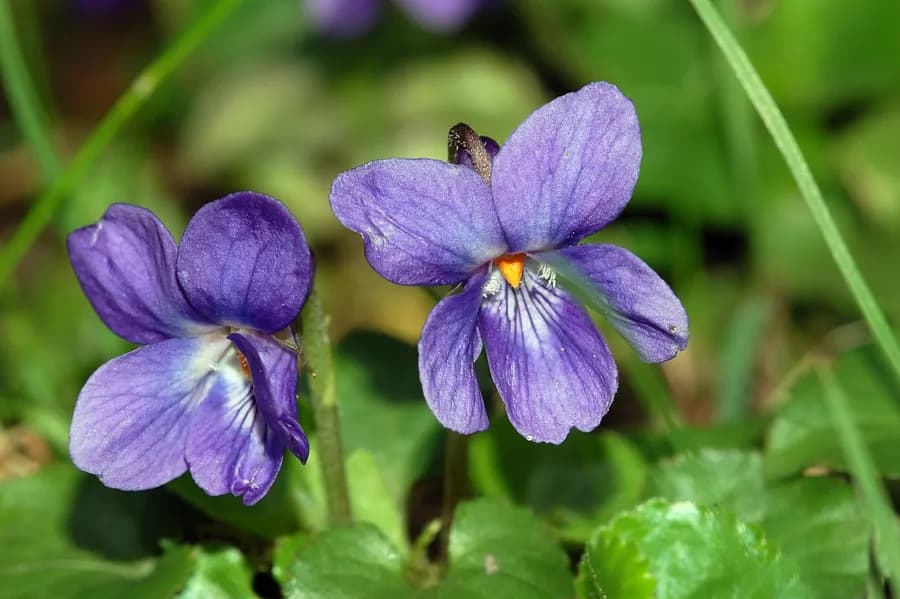
Banafsha: Benefits, Uses & Ayurvedic Properties
Banafsha (Viola odorata / Sweet Violet) is a powerful Ayurvedic herb for cough, asthma, fever, and skin inflammation. Discover its benefits, dosage, and traditional uses.
Badi Elaichi (Large Cardamom): Benefits, Uses & Ayurvedic Properties
Badi Elaichi (Amomum subulatum), Black or Large Cardamom, is an Ayurvedic spice herb prized for digestive, respiratory, and cardiac support. Learn its Ayurvedic properties, health benefits, and how to use it safely.