Milk Thistle: Benefits, Uses & Ayurvedic Properties
Milk Thistle (Silybum marianum) is the world’s most researched liver-protective herb. Discover its hepatoprotective, antioxidant, and cholesterol.
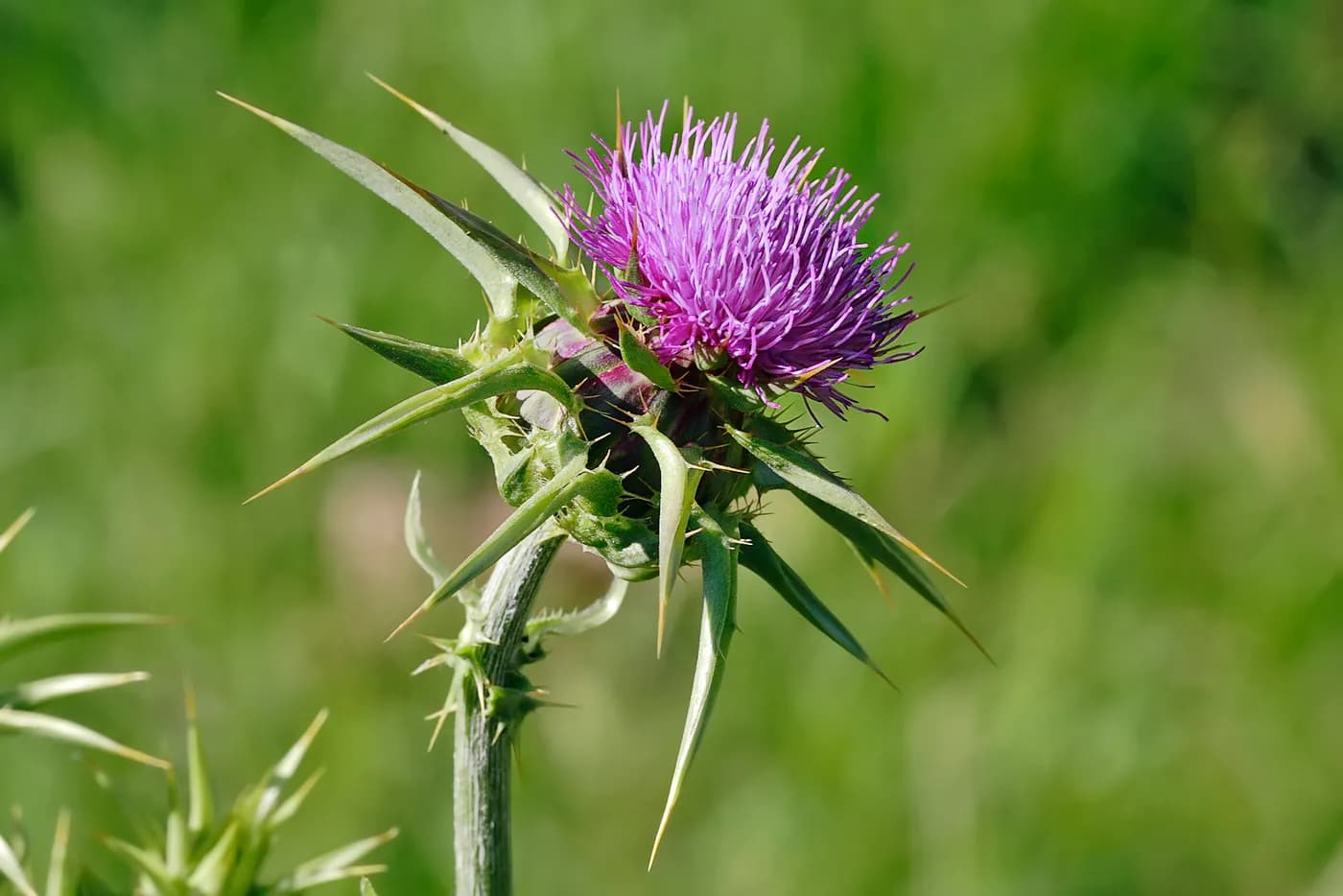
Key Takeaways
- Its seeds contain silymarin, a flavolignan complex among Ayurveda’s best-researched liver herbs.
- Stabilises liver cell membranes and stimulates hepatocyte protein synthesis for regeneration.
- Research confirms effectiveness for alcoholic liver disease, NAFLD, and drug-induced liver injury.
- Reduces lipid peroxidation by inhibiting leukotriene synthesis and NF-kB activation in the liver.
- Shown to lower LDL cholesterol and triglycerides while supporting healthy HDL levels.
- Improves insulin sensitivity and reduces glycated haemoglobin (HbA1c) in Type 2 diabetes.
What is Milk Thistle?
Milk Thistle, known in Ayurvedic wellness practice as Dugdha Thistle or Ardu (colloquial), is a flowering herb of the Asteraceae family, botanically identified as Silybum marianum. Native to Southern Europe and Western Asia, Milk Thistle has been used in Mediterranean and Middle Eastern herbal traditions for over 2,000 years primarily as a liver tonic. Its seeds contain silymarin — a complex of flavolignans (primarily silybin, silydianin, and silychristin) that is one of the most well-researched liver-protective compounds in herbal medicine. While not a classical Ayurvedic herb, Milk Thistle has been increasingly integrated into contemporary Ayurvedic hepatology practice based on its powerful alignment with Ayurvedic principles for Yakrit (liver) and Pitta management.
Ayurvedic Properties of Milk Thistle
| Property | Detail |
| --- | --- |
| Sanskrit Name | Dugdha Kandaka (contemporary Ayurvedic name), Ardu |
| Rasa (Taste) | Tikta (Bitter), Kashaya (Astringent) |
| Guna (Quality) | Laghu (Light), Ruksha (Dry) |
| Virya (Potency) | Sheeta (Cooling) |
| Vipaka (Post-digestive) | Katu (Pungent) |
| Dosha Effect | Pacifies Pitta and Kapha; may mildly increase Vata in excess |
| Part Used | Seeds (primary), aerial parts |
Health Benefits of Milk Thistle
- Liver Protection and Hepatoprotection Milk Thistle’s primary therapeutic action is its powerful hepatoprotective effect. Silymarin compounds stabilise liver cell membranes, preventing the uptake of hepatotoxic substances (alcohol, drugs, environmental toxins), and stimulate protein synthesis in hepatocytes, accelerating liver cell regeneration. Research confirms its effectiveness in managing alcoholic liver disease, non-alcoholic fatty liver disease (NAFLD), drug-induced liver injury, and viral hepatitis.
- Antioxidant and Anti-inflammatory Action Silymarin is a potent antioxidant that neutralises free radicals, reduces lipid peroxidation, and protects liver cells from oxidative damage — one of the key mechanisms of chronic liver disease progression. Its anti-inflammatory effects reduce hepatic inflammation by inhibiting leukotriene synthesis and NF-κB activation. This dual antioxidant-anti-inflammatory action corresponds to Ayurvedic Pitta-pacification and Ama reduction in liver channels.
- Cholesterol and Cardiovascular Health Milk Thistle seed extract has been shown to reduce total cholesterol, LDL cholesterol, and triglycerides while supporting healthy HDL levels. This lipid-modulating effect is particularly valuable in managing metabolic syndrome and Medoroga (lipid disorders) in Ayurvedic terms. The improvement in liver function directly supports better lipid metabolism, as the liver is the primary site of cholesterol synthesis and clearance.
- Blood Sugar Management Research demonstrates that silymarin improves insulin sensitivity, reduces hepatic glucose production, and lowers fasting blood sugar levels in Type 2 diabetes patients. It reduces glycated haemoglobin (HbA1c) and improves overall glycaemic control. This anti-diabetic action, combined with its liver-protective properties (which are particularly important in diabetic patients prone to fatty liver), makes Milk Thistle a valuable herb in Ayurvedic diabetes management protocols.
- Gallbladder Health and Bile Support Milk Thistle promotes bile secretion and improves bile composition, supporting healthy gallbladder function and reducing the risk of gallstone formation. Enhanced bile flow improves fat digestion, supports the elimination of cholesterol through bile, and helps prevent bile stasis that can lead to gallstone formation. This cholagogue action aligns with Ayurvedic treatment of Pittaj (bile-related) conditions.
- Skin Health Through Liver Detoxification Many chronic skin conditions including acne, eczema, and psoriasis have a component of hepatic dysfunction and blood impurity in both Ayurvedic and modern perspectives. By improving liver detoxification capacity and blood purification, Milk Thistle indirectly benefits skin health. The reduction in systemic inflammatory burden through better liver function reflects the Ayurvedic understanding that the liver (Yakrit) is central to Rakta Dhatu (blood tissue) health.
- Anti-ageing and Cellular Protection Silymarin’s antioxidant activity extends beyond the liver to provide systemic cellular protection. It protects DNA from oxidative damage, reduces telomere shortening, and supports mitochondrial function — all mechanisms associated with healthy ageing. In Ayurvedic terms, this aligns with Rasayana properties that support tissue quality and longevity by reducing the cumulative oxidative damage that underlies ageing.
How to Use Milk Thistle
| Form | Dosage | How to Take |
| --- | --- | --- |
| Seed Powder | 1–3 g | With warm water or milk twice daily for liver support |
| Standardised Extract (70–80% silymarin) | 140–420 mg/day | In divided doses with meals; follow manufacturer’s guidance |
| Herbal Tea | 1–2 cups | Steep crushed seeds in hot water for 10–15 min; drink daily |
| Capsule/Tablet | As directed | Most effective when standardised to silymarin content; take with meals |
Side Effects & Precautions
Milk Thistle is generally very well tolerated and considered one of the safest herbal medicines. Mild digestive side effects (loose stools, nausea) occasionally occur, particularly at higher doses. Individuals allergic to the Asteraceae (daisy) plant family may experience allergic reactions. Milk Thistle may lower blood sugar, so diabetic patients on medication should monitor glucose closely. Pregnant and breastfeeding women should consult a physician before use — limited safety data exists for these groups. Milk Thistle may interact with some pharmaceutical medications processed by the liver’s CYP450 enzyme system; consult a physician if on regular medications.
Classical References
Milk Thistle is not a classical Ayurvedic herb described in the Charaka Samhita or Ashtanga Hridayam. However, contemporary Ayurvedic practice increasingly incorporates it based on its powerful alignment with Ayurvedic liver management principles. It is referenced in modern Ayurvedic pharmacognosy texts as a significant Yakrit Rasayana (liver rejuvenative). The extensive modern clinical research — including Cochrane reviews and meta-analyses confirming its hepatoprotective efficacy — has cemented its place in evidence-based Ayurvedic integrative medicine. It is increasingly included alongside classical liver herbs like Bhumyamalaki and Katuki in contemporary Ayurvedic liver protocols.
Frequently Asked Questions
Related Articles

Bharangi: Benefits, Uses & Ayurvedic Properties
Bharangi (Clerodendrum serratum) is a classical Ayurvedic herb for asthma, sinusitis, and chronic cough. Explore its properties, dosage, and evidence-based respiratory benefits.


Banafsha: Benefits, Uses & Ayurvedic Properties
Banafsha (Viola odorata / Sweet Violet) is a powerful Ayurvedic herb for cough, asthma, fever, and skin inflammation. Discover its benefits, dosage, and traditional uses.

Badi Elaichi (Large Cardamom): Benefits, Uses & Ayurvedic Properties
Badi Elaichi (Amomum subulatum), Black or Large Cardamom, is an Ayurvedic spice herb prized for digestive, respiratory, and cardiac support. Learn its Ayurvedic properties, health benefits, and how to use it safely.