Nagarmotha: Benefits, Uses & Ayurvedic Properties
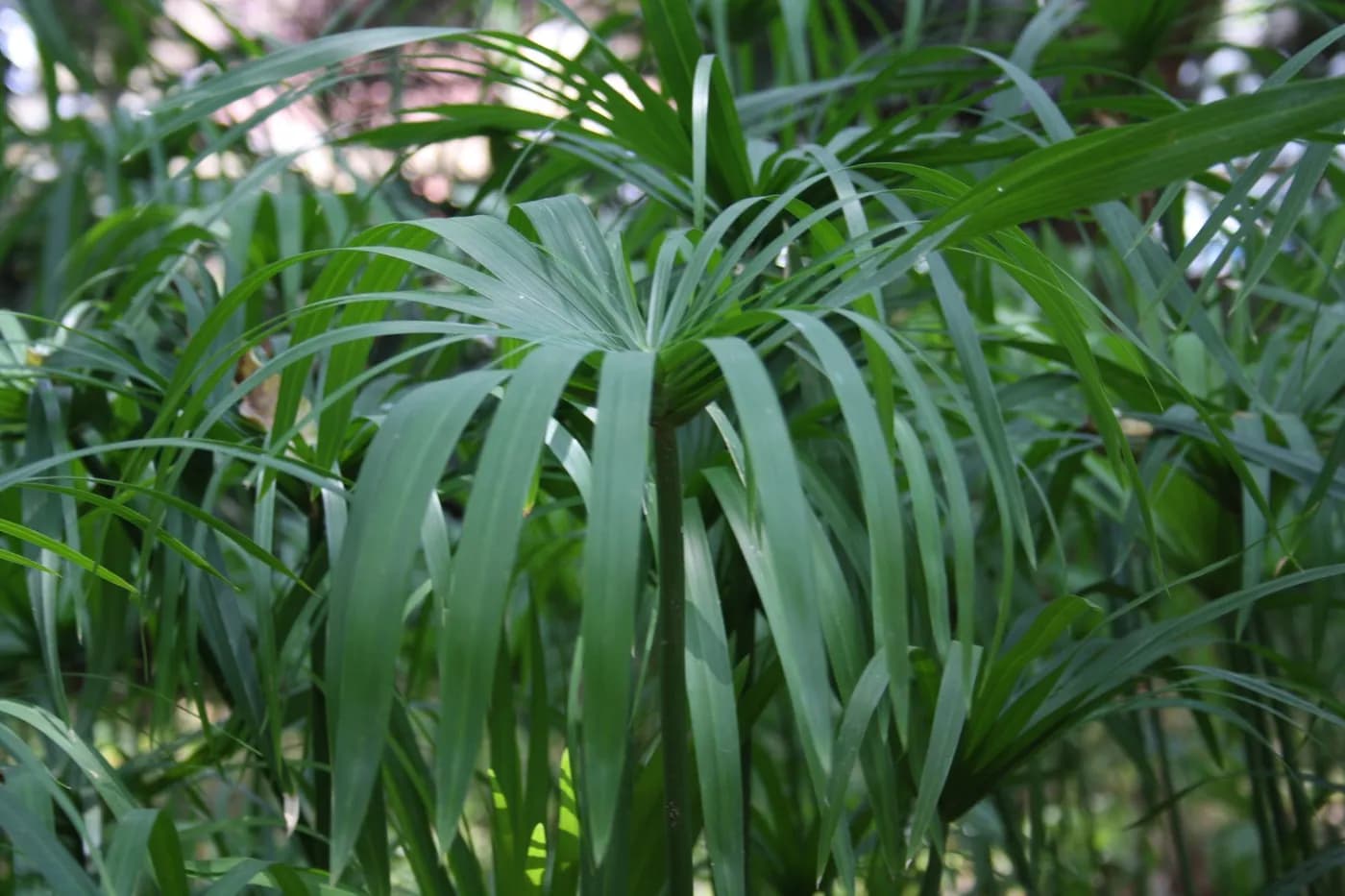
Nagarmotha (Cyperus rotundus), known as Musta or Nut Grass, is one of Ayurveda’s most important herbs for fever, digestive disorders, diarrhea, and skin.

Key Takeaways
- Research in the Journal of Ethnopharmacology confirmed antipyretic activity in fever models.
- Mustadi Kwatha, its classic formula, specifically targets diarrhea and Grahani syndrome.
- Described in Ayurvedic texts spanning 3,000 years despite being a troublesome farm weed.
- Its Sheeta virya with bitter-pungent taste cools fever while clearing metabolic ama.
- Simultaneously acts as Jwaraghna, Atisaraghna, and Deepana across fever and digestive care.
- Also classified Stanyajanana and Artavajanana, supporting lactation and menstruation.
Nagarmotha (Musta), botanically Cyperus rotundus L., belonging to the Cyperaceae family, is a perennial grass-like herb found across tropical and subtropical regions worldwide. Its aromatic rhizomes (underground tubers) are used medicinally. Nagarmotha is considered a troublesome weed agriculturally but is one of the most valued herbs in Ayurveda — described in texts spanning 3,000 years. Classical Ayurveda particularly values Musta for its ability to reduce fever, control diarrhea, improve digestion, balance skin conditions, and support women’s health. Modern research validates its antipyretic, anti-diarrheal, anti-inflammatory, and antimicrobial properties.
Ayurvedic Properties of Nagarmotha
| Property | Value |
| --- | --- |
| Sanskrit Name | Musta, Mustaka, Bhadramusta, Nagarmotha |
| Other Names | Nagarmotha (Hindi), Nut Grass, Purple Nut Sedge, Cyperus, Korai (Tamil), Korakarikkizhangu (Malayalam), Muttanga (Kannada) |
| Botanical Name | Cyperus rotundus L. |
| Plant Family | Cyperaceae |
| Part Used | Rhizome/tubers (dried) |
| Rasa (Taste) | Tikta (bitter), Katu (pungent), Kashaya (astringent) |
| Guna (Quality) | Laghu (light), Ruksha (dry) |
| Virya (Potency) | Sheeta (cooling) |
| Vipaka | Katu (pungent post-digestive effect) |
| Doshic Action | Tridosha shamaka — primarily Pitta-Kapha shamaka (balances Pitta and Kapha) |
| Primary Action | Jwaraghna (antipyretic), Atisaraghna (anti-diarrheal), Deepana-Pachana (digestive stimulant), Kandughna (anti-pruritic), Stanyajanana (lactation promoter), Artavajanana (emmenagogue) |
Health Benefits of Nagarmotha
- Fever Management — Versatile Jwaraghna Herb Nagarmotha is one of the most important Jwaraghna (fever-relieving) herbs in classical Ayurveda, used across all fever types — Vata, Pitta, Kapha, and Sannipataja (combination) fevers. Its unique combination of Sheeta (cooling) virya with bitter and pungent tastes helps reduce body temperature while simultaneously clearing the ama (metabolic toxins) that underlie febrile states. Research in the Journal of Ethnopharmacology confirmed significant antipyretic activity of Cyperus rotundus rhizome extract in yeast-induced fever models, supporting its classical Jwaraghna classification.
- Digestive Disorders and Diarrhea Control Musta is a cornerstone herb in Ayurvedic treatment of diarrhea, dysentery, and Grahani (irritable bowel/sprue syndrome). Its astringent taste and anti-diarrheal properties reduce intestinal secretions and hypermotility, while its antimicrobial action addresses pathogenic causes of diarrhea. The classic formula Mustadi Kwatha is specifically formulated for diarrhea management. Nagarmotha simultaneously acts as a Deepana (digestive stimulant), correcting the underlying weak agni that predisposes to diarrheal conditions. Research has confirmed anti-diarrheal activity against multiple experimental diarrhea models.
- Digestive Fire Stimulation and Appetite Enhancement The pungent and bitter compounds in Nagarmotha powerfully stimulate Jatharagni (digestive fire), improving appetite, digestive enzyme secretion, and nutrient absorption. This Deepana-Pachana action makes it valuable for Ajirna (indigestion), Aruchi (anorexia), Adhmana (flatulence), and Mandagni (sluggish digestion). Unlike many digestive herbs, Nagarmotha’s cooling virya makes it suitable for digestive stimulation even in Pitta-type individuals where heating digestive herbs would be contraindicated.
- Skin Health and Anti-Pruritic Properties Nagarmotha is classified as a Kandughna (anti-pruritic — relieves itching) herb and is included in formulations for skin conditions characterized by inflammation, burning, and itching. Its cooling potency specifically addresses Pitta-driven skin conditions with burning sensation, while its astringent and antimicrobial properties manage Kapha-driven oozing, chronic skin conditions, and secondary infections. It is used in Kushtha (skin disease) formulations and as a component in skin-purifying herbal preparations and face packs.
- Women’s Health — Lactation and Menstrual Support Nagarmotha holds a unique dual role in women’s health: it is both a Stanyajanana (galactagogue — promotes breast milk production) and an Artavajanana (emmenagogue — promotes menstrual flow). As a lactation promoter, it helps establish and increase breast milk supply in postpartum women. For menstrual health, it helps regulate irregular or scanty periods. Classical pediatric texts recommend Musta to nursing mothers to improve the quality of breast milk and protect infants from digestive issues transmitted through milk.
- Anti-Inflammatory and Antioxidant Protection Cyperus rotundus contains a rich array of antioxidant and anti-inflammatory compounds including sesquiterpenes (alpha-cyperone, beta-selinene), flavonoids, and phenolic acids. Research published in Biological and Pharmaceutical Bulletin confirmed significant NF-κB inhibitory activity and free radical scavenging capacity, supporting Nagarmotha’s use for systemic inflammation. These properties contribute to its broad therapeutic application across fever, diarrhea, skin conditions, and digestive disorders — all conditions with significant inflammatory components.
- Antimicrobial and Anti-Parasitic Activity Nagarmotha demonstrates significant antimicrobial activity against a wide spectrum of bacterial and fungal pathogens. Studies have confirmed activity against E. coli, Salmonella, Staphylococcus aureus, and Candida species — pathogens responsible for common diarrheal, skin, and systemic infections. Its antiparasitic properties extend to activity against Giardia and intestinal parasites. This comprehensive antimicrobial profile underpins many of its classical therapeutic applications in infection-related conditions.
How to Use Nagarmotha
| Form | Preparation | Dosage | Best Time |
| --- | --- | --- | --- |
| Decoction (Kwatha) | Boil 5–10 g dried rhizome in 200 ml water, reduce to 50 ml | 30–60 ml twice daily | After meals or during fever (every 3–4 hours) |
| Powder (Churna) | Dried rhizome ground to fine powder | 1–3 g twice daily with warm water | After meals |
| Mustadi Kwatha | Classical compound formula for diarrhea | As per product/physician instructions | After meals for diarrhea/IBS |
| Topical Paste | Nagarmotha powder mixed with rose water | Apply to face/inflamed skin for 15 min | Before bath — for skin conditions |
| Nursing Mother Tea | Musta with Shatavari and Vidari in milk decoction | 200 ml once or twice daily | After meals — for lactation |
Side Effects and Precautions
Known Contraindications
- Excessive use may cause constipation due to astringent properties
- Very high doses may cause gastric discomfort
- Its emmenagogue (menstrual-promoting) property means it should be used cautiously during pregnancy
Drug Interactions
- May potentiate antidiarrheal medications
- Possible interaction with antipyretic drugs (additive antipyretic effect)
- May interact with hormonal medications due to estrogenic activity reported in some studies
Who Should Avoid
- Pregnant women — avoid due to emmenagogue properties (may stimulate uterine contractions)
- Individuals with chronic constipation — may worsen due to astringent action
- Those with extreme Vata constitution — may increase dryness
Safe Dosage Range
Safe dosage is 1–3 grams of powder twice daily or 30–60 ml of decoction twice daily after meals. For fever management, a decoction can be taken every 3–4 hours until fever subsides. Always use authenticated dried rhizome from reputable Ayurvedic suppliers. Consult a qualified Ayurvedic physician for therapeutic guidance.
Classical Text References
Charaka Samhita (Sutra Sthana 4/10) includes Musta in the list of Jwarahara (fever-relieving) herbs. Ashtanga Hridayam (Sutra Sthana 15) describes Musta as Tridosha shamaka and particularly valuable for Pitta-Kapha conditions. Charaka Samhita (Chikitsa Sthana 15) prescribes it for Grahani (malabsorption/IBS), Atisara (diarrhea), and fever formulations.
Frequently Asked Questions
Related Articles

Bharangi: Benefits, Uses & Ayurvedic Properties
Bharangi (Clerodendrum serratum) is a classical Ayurvedic herb for asthma, sinusitis, and chronic cough. Explore its properties, dosage, and evidence-based respiratory benefits.

Banafsha: Benefits, Uses & Ayurvedic Properties
Banafsha (Viola odorata / Sweet Violet) is a powerful Ayurvedic herb for cough, asthma, fever, and skin inflammation. Discover its benefits, dosage, and traditional uses.

Badi Elaichi (Large Cardamom): Benefits, Uses & Ayurvedic Properties
Badi Elaichi (Amomum subulatum), Black or Large Cardamom, is an Ayurvedic spice herb prized for digestive, respiratory, and cardiac support. Learn its Ayurvedic properties, health benefits, and how to use it safely.