Rohida: Benefits, Uses & Ayurvedic Properties
Explore Rohida (Tecomella undulata / Rohitaka) — its Ayurvedic properties, health benefits for liver, spleen, blood purification, wound healing, and skin.

Key Takeaways
- Celebrated as the State Tree of Rajasthan, thriving in arid, drought-resistant conditions.
- Compounds tecomin and beta-sitosterol protect and regenerate liver and spleen cells.
- Classical formulation Rohitakarishta is prepared for chronic liver and spleen disorders.
- Bark paste applied externally accelerates healing of wounds and post-surgical incisions.
- Used in Ayurvedic surgery, Shalya Tantra, to promote granulation tissue formation.
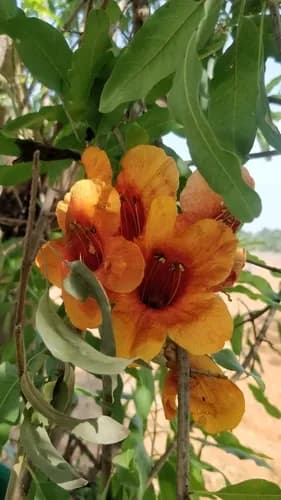
- Bright yellow flowers and thin leaves distinguish this medium-sized medicinal tree.
What is Rohida?
Rohida (Sanskrit: रोहिडा) is a revered Ayurvedic medicinal tree botanically known as Tecomella undulata, belonging to the Bignoniaceae family. It is a medium-sized, drought-resistant tree native to the arid and semi-arid regions of India, particularly Rajasthan, Gujarat, and Maharashtra, where it is celebrated as the State Tree of Rajasthan. Characterized by its striking bright yellow flowers and long, thin leaves, Rohida is known in Ayurveda for its powerful anti-inflammatory, hepatoprotective, and wound-healing properties.
Ayurvedic Properties of Rohida
| Property | Detail |
| --- | --- |
| Sanskrit Name | Rohitaka (रोहितक), Rohida |
| Rasa (Taste) | Tikta (Bitter), Kashaya (Astringent) |
| Guna (Quality) | Laghu (Light), Rooksha (Dry) |
| Virya (Potency) | Ushna (Hot) |
| Vipaka (Post-digestive) | Katu (Pungent) |
| Dosha Effect | Vata-Kapha shamaka (balances Vata and Kapha) |
| Part Used | Bark, Leaves, Flowers, Seeds |
Health Benefits of Rohida
- Liver and Spleen Disorders Rohida is one of the most prominent hepatoprotective herbs in Ayurveda, extensively used for liver enlargement (Yakrit Vriddhi), spleen enlargement (Pleeha Vriddhi), and liver toxicity. Its active compounds — tecomin, beta-sitosterol, and various alkaloids — protect liver cells from damage and promote regeneration. Classical formulations like Rohitakarishta are specifically prepared for chronic liver and spleen disorders.
- Blood Purification and Detoxification Rohida is classified as a Raktashodhaka (blood purifier) in Ayurveda, helping to clear impurities from the bloodstream that cause skin diseases, infections, and systemic inflammation. Regular use supports the liver’s natural detoxification pathways, facilitating the removal of metabolic waste products. It is a key ingredient in Ayurvedic blood-purifying formulations for chronic skin conditions.
- Anti-inflammatory and Analgesic Properties The bark and leaves of Rohida contain potent anti-inflammatory compounds that reduce swelling, pain, and inflammation in joints and soft tissues. It is used in Ayurvedic practice for arthritis, gout, and inflammatory musculoskeletal disorders. Its analgesic effects provide natural pain relief, and it is incorporated into medicated oils for therapeutic massage.
- Wound Healing and Tissue Regeneration Rohida possesses excellent wound-healing properties owing to its anti-microbial, astringent, and tissue-regenerative qualities. The bark paste applied externally helps accelerate the healing of cuts, wounds, ulcers, and post-surgical incisions. In Ayurvedic surgery (Shalya Tantra), Rohida-based preparations are used to promote granulation tissue formation and prevent wound infections.
- Digestive Health The bitter principles in Rohida stimulate bile secretion and improve fat digestion, making it beneficial for indigestion, constipation, and sluggish liver function. It helps restore the proper balance of digestive enzymes and supports the overall efficiency of the hepatobiliary system. Traditional Ayurvedic practitioners recommend it for conditions where impaired liver function leads to digestive weakness.
- Skin Diseases Rohida is valued for treating chronic skin diseases including eczema, psoriasis, leprosy (Kushtha), and fungal infections through its blood-purifying and antimicrobial properties. Its external application as a bark paste or oil helps reduce skin inflammation, itching, and discoloration. It is a key herb in Ayurvedic Kushtha Chikitsa (skin disease treatment) protocols.
- Respiratory Conditions Rohida’s Kapha-reducing properties make it useful in managing respiratory conditions like chronic cough, bronchitis, and congestion. Its anti-inflammatory effects help reduce airway inflammation, while its expectorant properties facilitate mucus clearance. It is sometimes used in Ayurvedic formulations for asthma and chronic respiratory infections.
How to Use Rohida
| Form | Dosage | How to Take |
| --- | --- | --- |
| Bark Decoction (Kwatha) | 50–100 ml twice daily | Boil bark in water, strain, drink warm before meals |
| Bark Powder (Churna) | 1–3 g twice daily | Mix with honey or warm water; take after meals |
| Rohitakarishta (classical preparation) | 15–20 ml twice daily | Dilute with equal water; take after meals as per physician |
| Bark Paste (external) | As needed | Apply to wounds, skin conditions, or inflamed areas topically |
Side Effects & Precautions
Rohida should be used with caution in individuals with pre-existing liver disease, as high doses may be contraindicated without medical supervision. Pregnant and breastfeeding women should consult an Ayurvedic physician before use. Those with sensitive digestion may experience mild gastrointestinal discomfort at the start of treatment. As an Ushna (hot potency) herb, it may aggravate Pitta conditions if taken in excess; those with high Pitta constitution should use it carefully and under guidance.
Classical References
Rohitaka (Rohida) holds a prominent place in classical Ayurvedic literature. Charaka Samhita includes it in the Aragwadhadi Gana and extensively describes its use for Yakrit-Pleeha Vikaras (liver-spleen disorders). Sushruta Samhita references Rohitaka in Nyagrodhadi Gana for its skin disease and wound healing properties. Ashtanga Hridayam prescribes Rohitakarishta, the classical fermented preparation, for liver and spleen enlargement. Bhavaprakasha Nighantu classifies it in Guduchyadi Varga with detailed properties for hepatoprotective and blood-purifying effects.
Frequently Asked Questions
Related Articles

Bharangi: Benefits, Uses & Ayurvedic Properties
Bharangi (Clerodendrum serratum) is a classical Ayurvedic herb for asthma, sinusitis, and chronic cough. Explore its properties, dosage, and evidence-based respiratory benefits.

Banafsha: Benefits, Uses & Ayurvedic Properties
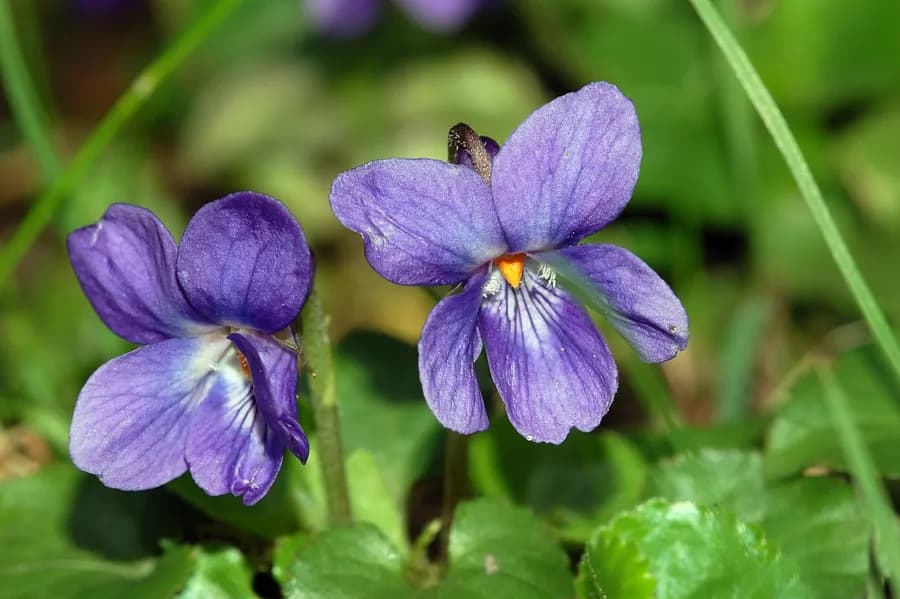
Banafsha (Viola odorata / Sweet Violet) is a powerful Ayurvedic herb for cough, asthma, fever, and skin inflammation. Discover its benefits, dosage, and traditional uses.
Badi Elaichi (Large Cardamom): Benefits, Uses & Ayurvedic Properties
Badi Elaichi (Amomum subulatum), Black or Large Cardamom, is an Ayurvedic spice herb prized for digestive, respiratory, and cardiac support. Learn its Ayurvedic properties, health benefits, and how to use it safely.