Shikakai (Acacia concinna): Benefits, Uses & Ayurvedic Properties
Shikakai (Acacia concinna) is Ayurveda’s premier natural hair cleanser — used for hair fall, dandruff, premature greying, and scalp health. Learn its.
Key Takeaways
- Its name literally means fruit for hair, describing its most celebrated traditional use.
- Saponin-rich pods create a pH-neutral foam that cleanses without stripping natural sebum.
- Addresses Darunaka, dandruff and seborrhoeic dermatitis, through Kapha-reducing action.
- Combined with Reetha and Amla, it forms the classical Triphala for hair combination.
- Referenced across the Charaka Samhita, Sushruta Samhita, and Raja Nighantu.
- Improves scalp microcirculation with regular massage, favouring hair follicle growth.
What is Shikakai?
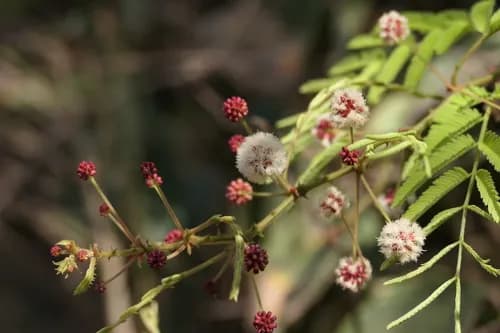
Shikakai (शिकाकाई), known botanically as Acacia concinna (also classified as Senegalia concinna), is a climbing shrub native to Asia whose pods, leaves, and bark have been used for millennia as a natural hair and skin cleanser across the Indian subcontinent. The name “Shikakai” is derived from Hindi, meaning “fruit for hair” — an apt description of the plant’s most celebrated use. In Ayurveda, it is known as Saptala (सप्तला) or Charmaranga, and is described in classical texts among Keshya (hair-promoting) and Vishaghna (detoxifying) herbs. The ripe pods are rich in natural saponins, which create a gentle lather without the harsh pH disruption of synthetic surfactants, making Shikakai one of the world’s most gentle natural cleansers for hair and scalp. It is referenced in the Charaka Samhita, Sushruta Samhita, and Raja Nighantu.
Ayurvedic Properties of Shikakai
| Property | Detail |
| --- | --- |
| Sanskrit Name | Saptala (सप्तला), Charmaranga, Phenila |
| Botanical Name | Acacia concinna (Senegalia concinna) |
| Family | Fabaceae (Leguminosae) |
| Rasa (Taste) | Tikta (bitter), Kashaya (astringent) |
| Guna (Quality) | Laghu (light), Ruksha (dry) |
| Virya (Potency) | Sita (cooling) |
| Vipaka (Post-digestive) | Katu (pungent) |
| Dosha Effect | Kapha-Pitta shamak; Keshya (hair-promoting); Krimighna (antiparasitic) |
| Part Used | Pods (phala), leaves, bark |
Health Benefits of Shikakai
- Hair Cleansing and Scalp Health (Keshya Action) Shikakai is Ayurveda’s foremost natural hair cleanser. Its saponin-rich pods create a pH-neutral foam that cleanses the scalp and hair shaft without stripping natural oils (sebum) — unlike alkaline synthetic shampoos that disrupt the hair’s moisture barrier. This makes it particularly beneficial for dry, chemically treated, or colour-treated hair. The Kashaya (astringent) action tightens scalp pores and reduces excess sebum in oily scalp conditions, while the mild lather avoids the rebound oiliness associated with harsh detergents.
- Hair Growth and Anti-Hair-Fall (Keshya-Vardhana) Classical Ayurvedic texts include Shikakai among Keshya (hair-promoting) herbs. Its antimicrobial properties reduce scalp infections and dandruff (Darunaka) — the most common preventable cause of hair fall due to scalp inflammation and follicular damage. The natural saponins improve microcirculation in scalp dermis when used in paste form with regular massage, creating a favourable environment for hair follicle activity and growth-phase prolongation.
- Dandruff and Scalp Infections (Darunaka) Darunaka (dandruff and seborrhoeic dermatitis) involves vitiated Kapha and Vata in the scalp leading to flaking, itching, and hair fall. Shikakai’s Kapha-reducing, antimicrobial action directly addresses this pathology. When combined with Reetha (Sapindus mukorossi) and Amla, it forms the classical “Triphala for hair” combination used across generations in Indian hair care. The Tikta (bitter) taste and Krimighna property eliminate fungal and microbial scalp flora responsible for dandruff recurrence.
- Premature Greying (Akala Palitya) Akala Palitya (premature greying) is attributed in Ayurveda to excess Pitta in the scalp affecting melanocyte function and hair pigmentation. Shikakai’s Sita (cooling) virya pacifies scalp Pitta, while its Kashaya property maintains the integrity of hair follicle structure and pigment cells. Traditional Ayurvedic hair oil preparations combining Shikakai with Bhringraj and Amalaki are specifically formulated for premature greying prevention and are documented in classical Nighantus.
- Skin Cleansing and Anti-Itch Action Beyond hair, Shikakai’s natural saponins make it an effective, gentle cleanser for sensitive or inflamed skin conditions. Its Kapha-Pitta-pacifying action reduces skin itching (Kandu), redness, and mild inflammatory dermatoses. In classical formulations, Shikakai bark and pod powder are used as Udvartan (dry scrub) ingredients for oily skin, skin blemishes, and fungal skin infections between skin folds, providing both cleansing and mild antifungal activity.
- Wound Healing and Antimicrobial Action The Kashaya (astringent) and Krimighna properties of Shikakai confer mild wound-healing and antimicrobial benefits documented in traditional use. Shikakai bark decoction is used classically for washing wounds, ulcers, and infected skin areas. Its saponins disrupt microbial cell membranes, while the astringent tannins promote tissue contracture and reduce exudate from superficial wounds, supporting the Vrana Shodhana (wound-cleansing) step in classical wound management.
- Detoxification and Systemic Use The Charaka Samhita and Sushruta Samhita mention Saptala (Shikakai) as a Vishaghna (anti-toxic) and Krimighna (antiparasitic) herb used internally in very small doses in classical Vamana (emesis) preparations and antidote protocols. The saponins are emetic in larger doses and have been used in classical Shodhana (purification) procedures. However, internal use of Shikakai is specialised and must be directed by a trained Ayurvedic physician — its primary contemporary application is topical.
How to Use Shikakai
| Form | Use | Method |
| --- | --- | --- |
| Shikakai powder (topical) | Hair wash and scalp cleansing | Mix 2–3 tsp with water to form paste; apply to wet hair, lather, leave 2–3 min, rinse thoroughly |
| Shikakai + Reetha + Amla powder | Classical hair wash blend | Equal parts; soak overnight in water, strain and use liquid as shampoo |
| Shikakai hair oil | Scalp nourishment, anti-dandruff | Oil infused with Shikakai, Bhringraj, and Amla; apply 1–2 hours before wash, 2–3x/week |
| Shikakai paste (external) | Skin cleansing, Udvartan | Mix powder with rose water; apply as face/body scrub 1–2x/week for oily skin and blemishes |
Side Effects & Precautions
Shikakai is one of the safest topical Ayurvedic herbs. However, some individuals may experience contact allergy to Acacia species — perform a patch test before full scalp application if sensitivity is suspected. The saponins can cause mild eye irritation if Shikakai water enters the eyes — rinse promptly with plain water. Excessive use may cause over-drying of hair in individuals with naturally dry scalp or Vata constitution; in such cases, combine with conditioning herbs like Hibiscus or oils like coconut or sesame. Internal use of Shikakai is not recommended without classical Ayurvedic physician guidance, as saponins are emetic at higher internal doses.
Classical References
Shikakai (Saptala, Charmaranga) is described in the Charaka Samhita (Sutrasthana 25, Keshya gana), Sushruta Samhita (Sutrasthana), and Dhanvantari Nighantu. The Raja Nighantu provides detailed properties under the Prabhadradi Varga. Classical texts list it among Kapha-Pitta shamaka, Keshya, Krimighna, and Vishaghna herbs.
Frequently Asked Questions
Related Articles

Bharangi: Benefits, Uses & Ayurvedic Properties
Bharangi (Clerodendrum serratum) is a classical Ayurvedic herb for asthma, sinusitis, and chronic cough. Explore its properties, dosage, and evidence-based respiratory benefits.

Banafsha: Benefits, Uses & Ayurvedic Properties
Banafsha (Viola odorata / Sweet Violet) is a powerful Ayurvedic herb for cough, asthma, fever, and skin inflammation. Discover its benefits, dosage, and traditional uses.

Badi Elaichi (Large Cardamom): Benefits, Uses & Ayurvedic Properties
Badi Elaichi (Amomum subulatum), Black or Large Cardamom, is an Ayurvedic spice herb prized for digestive, respiratory, and cardiac support. Learn its Ayurvedic properties, health benefits, and how to use it safely.