Vajradanti: Benefits, Uses & Ayurvedic Properties
Vajradanti (Barleria prionitis), meaning ‘diamond teeth’, is a classical Ayurvedic herb renowned for oral health, gum disease, dental pain, and.

Key Takeaways
- Its Sanskrit name literally means ‘diamond teeth,’ reflecting its dental-strengthening use.
- Barlerin and acetyl barlerin give it notable analgesic action for direct toothache relief.
- A Journal of Natural Products study confirmed activity against Streptococcus mutans.
- Classical texts prescribe its twigs for dantadhavana, tooth cleaning, similar to neem.
- Phytotherapy Research found leaf extracts inhibited carrageenan-induced paw edema significantly.
- Its Kapha-Vata balancing action suits cold, damp-type inflammatory joint conditions.
Vajradanti (Vajradanti), botanically Barleria prionitis L., belonging to the Acanthaceae family, is a thorny shrub native to India, Sri Lanka, and tropical Asia. The Sanskrit name literally means “diamond teeth” — reflecting its primary use in strengthening teeth and gums. Ayurveda prescribes Vajradanti for toothache, gum disease, dental caries prevention, and oral mucosal inflammation. Modern research confirms its significant antimicrobial, anti-inflammatory, and analgesic properties that validate its role in dental healthcare.
Ayurvedic Properties of Vajradanti
| Property | Value |
| --- | --- |
| Sanskrit Name | Vajradanti, Kurantaka |
| Other Names | Vajradanti (Hindi), Porcupine flower, Yellow nettlespurge, Kattu-korangu (Tamil) |
| Botanical Name | Barleria prionitis L. |
| Plant Family | Acanthaceae |
| Part Used | Leaves, roots, bark, whole plant |
| Rasa (Taste) | Tikta (bitter), Kashaya (astringent) |
| Guna (Quality) | Laghu (light), Ruksha (dry) |
| Virya (Potency) | Ushna (heating) |
| Vipaka | Katu (pungent post-digestive effect) |
| Doshic Action | Kapha-Vata shamaka (balances Kapha and Vata) |
| Primary Action | Dantasodhana (dental cleanser), Shothahara (anti-inflammatory), Vedanasthapana (analgesic), Krimighna (antimicrobial) |
Health Benefits of Vajradanti
- Oral Health — Teeth and Gum Strengthening Vajradanti’s primary and most celebrated use in Ayurveda is for dental and gum health — hence its name meaning “diamond teeth.” Its tannins and flavonoids reduce gum inflammation, tighten loose gums, inhibit dental plaque formation, and prevent caries. Classical texts prescribe Vajradanti twigs for teeth cleaning (dantadhavana) similar to neem, and its powder as a tooth powder (dantamanjana). A study in the Journal of Natural Products confirmed strong antimicrobial activity of Barleria prionitis extracts against oral pathogens including Streptococcus mutans and Porphyromonas gingivalis.
- Toothache and Dental Pain Relief Vajradanti has notable analgesic properties that make it effective for relieving toothache and dental pain. Its Vedanasthapana (pain-relieving) action is attributed to active compounds including barlerin, acetyl barlerin, and lupulin. Classical Ayurvedic texts describe applying Vajradanti root paste directly to the affected tooth and gum for immediate pain relief. The anti-inflammatory effect simultaneously reduces periapical inflammation that often accompanies dental pain.
- Anti-Inflammatory Effects for Joint and Tissue Health Beyond dental health, Vajradanti’s significant anti-inflammatory properties benefit conditions like arthritis, swollen lymph nodes, and soft tissue inflammation. Research published in Phytotherapy Research demonstrated that Barleria prionitis leaf extracts significantly inhibited carrageenan-induced paw edema in experimental models, comparable to standard anti-inflammatory agents. Its Kapha-Vata balancing action makes it particularly useful for cold, damp-type inflammatory conditions.
- Wound Healing and Skin Applications Vajradanti leaves and root bark, applied topically, accelerate wound healing through antimicrobial protection and promotion of tissue granulation. Classical texts describe its use as a paste for boils, abscesses, and infected wounds. The leaf juice is applied externally for skin infections and inflammatory skin conditions. Modern studies confirm significant antioxidant and wound-healing activity supporting these traditional applications.
- Respiratory Support — Cough and Cold The Kapha-reducing properties of Vajradanti make it useful for respiratory conditions involving excess mucus and congestion. It is used in classical formulations for Kapha-type cough, bronchitis, and sore throat. Its antimicrobial action helps combat respiratory pathogens while its expectorant properties help clear mucus. The bitter taste stimulates digestive and respiratory secretions, improving overall mucus clearance.
- Fever and Antipyretic Action Vajradanti is included in Ayurvedic formulations for Kapha-Vata type fevers with body aches, chills, and congestion. Its Ushna (heating) virya helps burn ama (metabolic toxins) associated with febrile states, while its bitter taste pacifies the dosha imbalance underlying fever. Classical physicians prescribed Vajradanti decoction for intermittent fevers, particularly those with accompanying rheumatic or joint symptoms.
How to Use Vajradanti
| Form | | | |
| --- | --- | --- | --- |
| Tooth Powder | Dried root/bark ground to fine powder, mix with salt and turmeric | Use for tooth brushing 1–2 minutes, twice daily | Morning and before bed |
| Decoction (Kwatha) | Boil 5–10 g leaves/bark in 200 ml water, reduce to 50 ml | 30–50 ml for mouth rinsing or internal use twice daily | After meals |
| Root Paste | Fresh root ground with water to paste | Apply directly to painful tooth/gum as needed | As needed for pain |
| Powder (Churna) | Dried plant powder with honey or warm water | 1–3 g twice daily | After meals |
Side Effects and Precautions
Known Contraindications
- Excess use may increase dryness and Vata in already Vata-dominant individuals
- The thorny plant requires careful handling during preparation
- High doses internally may cause gastric irritation due to bitter alkaloids
Drug Interactions
- No significant drug interactions reported at standard doses
- Topical use is considered very safe with no known interactions
- Internal use in high doses may interact with anticoagulant therapy
Who Should Avoid
- Individuals with extreme Vata constitution or Vata disorders — use with caution
- Pregnant women should avoid internal use without physician guidance
- Those with known plant allergies in the Acanthaceae family
Safe Dosage Range
For tooth powder and topical use, Vajradanti is considered very safe with no significant adverse effects reported. For internal use as powder or decoction, the standard dose is 1–3 grams of powder or 30–50 ml of decoction twice daily after meals. Consult an Ayurvedic practitioner for therapeutic use beyond oral hygiene.
Classical Text References
Charaka Samhita mentions Kurantaka (Barleria prionitis) for dental and oral health formulations. Sushruta Samhita describes Vajradanti in the context of Dantamula roga (gum diseases) and as a component in tooth-strengthening preparations. Bhavaprakasha Nighantu classifies it under dental hygiene herbs and describes its properties in detail.
Frequently Asked Questions
Related Articles

Bharangi: Benefits, Uses & Ayurvedic Properties
Bharangi (Clerodendrum serratum) is a classical Ayurvedic herb for asthma, sinusitis, and chronic cough. Explore its properties, dosage, and evidence-based respiratory benefits.

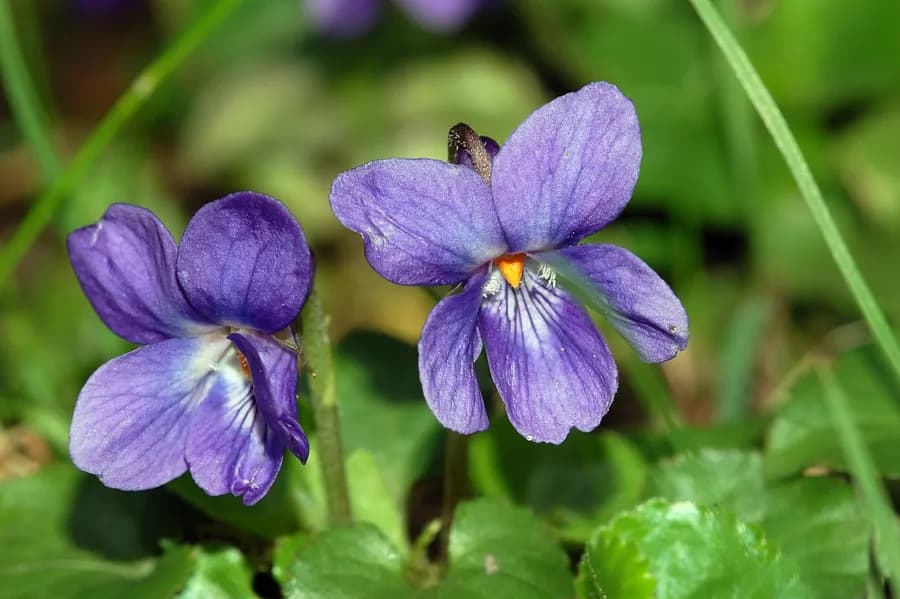
Banafsha: Benefits, Uses & Ayurvedic Properties
Banafsha (Viola odorata / Sweet Violet) is a powerful Ayurvedic herb for cough, asthma, fever, and skin inflammation. Discover its benefits, dosage, and traditional uses.

Badi Elaichi (Large Cardamom): Benefits, Uses & Ayurvedic Properties
Badi Elaichi (Amomum subulatum), Black or Large Cardamom, is an Ayurvedic spice herb prized for digestive, respiratory, and cardiac support. Learn its Ayurvedic properties, health benefits, and how to use it safely.