Yarrow: Benefits, Uses & Ayurvedic Properties
Yarrow (Achillea millefolium / Biranjasipha) is a powerful herb for wound healing, fever, menstrual regulation, and anti-inflammatory action. Discover.


Key Takeaways
- Its Sanskrit name Biranjasipha appears in both Ayurvedic and Unani classical texts.
- Azulene, apigenin, and luteolin flavonoids inhibit prostaglandin synthesis for inflammation.
- Prescribed for Rajodushti, menstrual disorders where Vata or Kapha delays normal flow.
- Its Tikta bitter taste specifically addresses Agnimandya, or digestive weakness.
- Warm infusions promote sweating in early-stage fevers accompanied by chills.
- Named after Achilles, who legendarily used it to stop his soldiers’ battlefield bleeding.
What is Yarrow?
Yarrow, known in Ayurveda and Unani practice as Biranjasipha or Achchoo grass, is a perennial flowering herb of the Asteraceae family, botanically identified as Achillea millefolium. Native to temperate regions of Europe and Asia, Yarrow grows wild in the Himalayan foothills and Kashmir valley of India. Its name in classical medicine derives from the Greek hero Achilles, who legendarily used it to stop the bleeding of his soldiers’ wounds — reflecting its most famous property as a haemostatic herb. In Ayurvedic practice, Yarrow is used as a fever remedy, digestive tonic, menstrual regulator, and wound healer, with potent anti-inflammatory and antimicrobial properties.
Ayurvedic Properties of Yarrow
| Property | Detail |
| --- | --- |
| Sanskrit Name | Biranjasipha, Gandana (colloquial), Rohini (related usage) |
| Rasa (Taste) | Tikta (Bitter), Katu (Pungent) |
| Guna (Quality) | Laghu (Light), Ruksha (Dry) |
| Virya (Potency) | Ushna (Hot) |
| Vipaka (Post-digestive) | Katu (Pungent) |
| Dosha Effect | Pacifies Kapha and Vata; may increase Pitta in excess doses |
| Part Used | Aerial parts (leaves, flowers, stems) |
Health Benefits of Yarrow
- Wound Healing and Haemostatic Action Yarrow is one of the oldest known wound-healing herbs. Its achilline and flavonoid content accelerate blood clotting, constrict blood vessels, and promote tissue regeneration. Applied directly to cuts, scrapes, and slow-bleeding wounds, Yarrow powder or fresh leaf compress quickly staunches blood flow. This haemostatic action extends internally to manage nosebleeds and minor gastrointestinal bleeding.
- Fever and Diaphoretic Properties Yarrow is a classical diaphoretic herb that promotes perspiration to reduce fever. Its volatile oils stimulate sweat gland activity, helping the body eliminate toxins through the skin and bringing down elevated temperature. This action is particularly effective for the early stage of acute fevers associated with chills — the warm infusion promotes sweating and helps resolve the fever more quickly.
- Digestive Tonic and Bitter Action Yarrow’s Tikta (bitter) taste stimulates digestive secretions, bile production, and gastric enzyme activity. It relieves indigestion, flatulence, bloating, and loss of appetite. The bitter compounds improve hepatic function and aid in the breakdown of fats. Yarrow is used in Ayurvedic practice for Agnimandya (digestive weakness) and Kapha-type digestive sluggishness.
- Menstrual Regulation Yarrow is a well-known emmenagogue (menstrual-promoting herb) used to regulate irregular, delayed, or scanty menstruation. Its antispasmodic properties also help relieve menstrual cramps and pelvic pain. In Ayurvedic gynaecology, it is prescribed for Rajodushti (menstrual disorders) where Vata or Kapha obstruction delays or suppresses normal menstrual flow.
- Anti-inflammatory Properties Yarrow contains azulene (from its essential oil), apigenin, and luteolin — potent anti-inflammatory flavonoids that inhibit prostaglandin synthesis and reduce systemic inflammation. These compounds make Yarrow useful for managing inflammatory conditions including arthritis, fibromyalgia, and inflammatory bowel conditions. Its Ushna virya helps dissolve Ama-driven Kapha inflammation in joints and digestive channels.
- Urinary and Kidney Support Yarrow acts as a mild diuretic and urinary antiseptic, promoting urine flow and helping manage urinary tract infections and kidney inflammation. Its antimicrobial volatile oils reduce bacterial growth in the urinary tract. In Ayurvedic practice, it is used for Mutrakriccha (urinary difficulty) and urinary inflammation, particularly when associated with Kapha excess causing dampness and recurrent infections.
- Antimicrobial and Antiviral Properties Yarrow essential oil and extracts exhibit broad-spectrum antimicrobial activity against bacteria, fungi, and viruses. The compounds achillin, camphor, and borneol contribute to this antimicrobial action. Yarrow tea is traditionally used at the onset of colds and flu to reduce the duration and severity of viral infections, combining diaphoretic, immune-stimulating, and antimicrobial properties in one preparation.
How to Use Yarrow
| Form | Dosage | How to Take |
| --- | --- | --- |
| Aerial Parts Tea | 150–200 ml | Steep 1–2 tsp dried herb in hot water for 10–15 min; drink 2–3 times daily for fever or digestion |
| Tincture | 2–4 ml | In water or juice, 2–3 times daily; follow professional guidance |
| Fresh Leaf (external) | As needed | Apply crushed fresh leaves directly to wounds for haemostatic action |
| Powder (Churna) | 2–4 g | With warm water for digestive and menstrual support |
Side Effects & Precautions
Yarrow is safe at recommended doses but may cause allergic reactions in individuals sensitive to the Asteraceae (daisy) family — including those allergic to chamomile, chrysanthemum, or ragweed. Prolonged use or high doses may cause photosensitivity. Yarrow should not be used during pregnancy as it is an emmenagogue and may stimulate uterine contractions. Breastfeeding women should avoid therapeutic use. Those on blood-thinning medications (anticoagulants) should use Yarrow cautiously due to its coagulant properties at lower doses and potential interaction at higher doses.
Classical References
Yarrow (Biranjasipha) entered Indian medical practice through Unani influence and is described in Indo-Unani materia medica texts as a wound healer, fever herb, and menstrual regulator. It is referenced in the Ayurvedic Pharmacopoeia of India and in modern Dravyaguna (Ayurvedic pharmacognosy) texts as a valuable imported herb. In Western herbal tradition, Yarrow’s medicinal use is documented since the time of Dioscorides (1st century CE). The herb’s Himalayan varieties have been incorporated into regional Ayurvedic practice in Kashmir and Uttarakhand.
Frequently Asked Questions
Related Articles

Bharangi: Benefits, Uses & Ayurvedic Properties
Bharangi (Clerodendrum serratum) is a classical Ayurvedic herb for asthma, sinusitis, and chronic cough. Explore its properties, dosage, and evidence-based respiratory benefits.

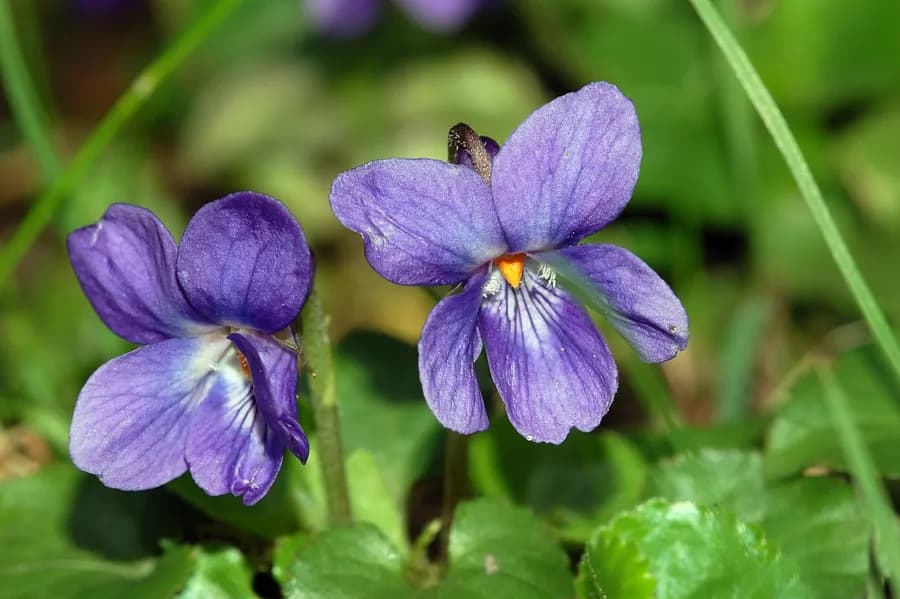
Banafsha: Benefits, Uses & Ayurvedic Properties
Banafsha (Viola odorata / Sweet Violet) is a powerful Ayurvedic herb for cough, asthma, fever, and skin inflammation. Discover its benefits, dosage, and traditional uses.

Badi Elaichi (Large Cardamom): Benefits, Uses & Ayurvedic Properties
Badi Elaichi (Amomum subulatum), Black or Large Cardamom, is an Ayurvedic spice herb prized for digestive, respiratory, and cardiac support. Learn its Ayurvedic properties, health benefits, and how to use it safely.