
Almonds: Nutrition, Portions and Smart Everyday Uses
Almonds provide protein, fibre, unsaturated fat, vitamin E and magnesium in a compact serving. Learn smart portions and everyday uses.
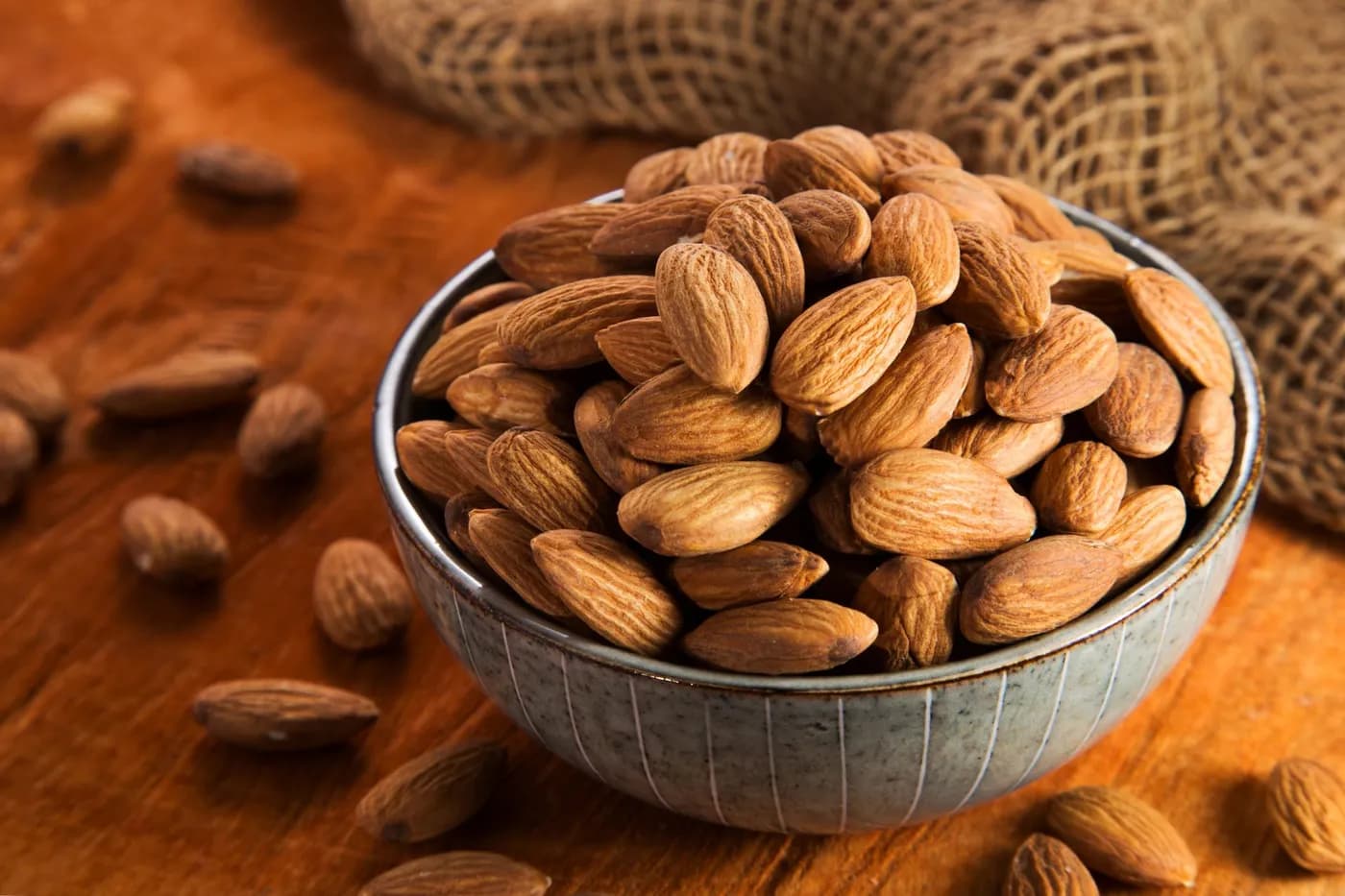
Key Takeaways
- Almonds provide unsaturated fat, fibre, protein, vitamin E and magnesium.
- A small measured handful is more practical than eating from the packet.
- Soaking changes texture but is not required to unlock nutrients.
- Almond milk is not nutritionally identical to whole nuts or dairy milk.
- Tree-nut allergy can be severe, and whole nuts are a choking risk for young children.
Almonds are convenient sources of unsaturated fat, fibre, protein, vitamin E and magnesium. Their energy density also means portions grow quickly when eating from a packet.
Realistic almonds benefits depend on what they replace. Plain nuts instead of a fried snack differ from sugar-coated nuts added to an energy-rich diet.
Almonds nutrition at a glance
Most energy comes from unsaturated fat. Plant protein and fibre can make a small portion satisfying, while vitamin E and magnesium support normal body functions.
Almonds nutrition is one part of the plate. A few nuts are not breakfast; combine them with fruit, whole grains and vegetarian protein.
For example, oats with milk or curd, fruit and chopped nuts are more balanced than a handful eaten instead of a meal. Habuild’s protein-rich vegetarian foods guide can help you build stronger meal anchors.
Possible almonds benefits
Heart-friendly fat pattern
Nuts can fit a heart-friendly eating pattern because their fat is largely unsaturated. Research often studies regular nut consumption as part of an overall diet, not as a medicine. The effect also depends on what the nuts replace.
Replacing fried snacks, buttery biscuits or sweets with plain nuts may improve the fat pattern. Adding unlimited nuts does not. Blood pressure, cholesterol, movement, sleep and medicines remain important.
Fibre and digestion
Fibre supports regularity and fullness, but a sudden large portion may cause gas or loose stools. Increase gradually and drink appropriate fluids.
They are only one fibre source. Vegetables, fruit, dals, beans and whole grains usually contribute more volume and variety. Habuild’s high-fibre foods guide offers everyday vegetarian options.
Protein and fullness
They add protein, but dal, beans, soy, tofu, paneer and curd are stronger meal sources. Use nuts as an addition.
Their fat, fibre and protein may satisfy more than plain biscuits. Portion still matters.
Vitamin E and magnesium
Vitamin E and magnesium also come from seeds, greens, beans, whole grains and fortified foods.
These nutrients do not mean the food cures skin problems, hair loss, cramps or fatigue.
Blood sugar
Pairing carbohydrate with nuts may improve fullness. Sweet desserts and large portions still affect total carbohydrate and glucose response.
People taking diabetes medicine should follow their personalised meal plan rather than using nuts as a treatment.
Raw, roasted or soaked almonds?
Raw and dry-roasted versions can both fit. Roasting changes flavour but does not make the food empty or harmful. Choose unsalted products more often.
Oil-roasted and flavoured products may contain extra oil, salt or sugar. Read the ingredients.
Soaking softens texture but does not multiply nutrients. Use clean water, refrigerate when appropriate and consume promptly.
The brown skin contains fibre and plant compounds. Removing it is optional, not a requirement for digestion.
How to use almonds in everyday meals
If you are exploring how to use almonds without excessive portions, try these ideas:
- Chop a few over oats, dalia or plain curd.
- Pair a measured portion with fresh fruit.
- Add slivers to vegetable pulao or homemade kheer.
- Blend a small amount into chutney with seeds and herbs.
- Use unsweetened almond butter on whole-grain toast.
- Add crushed nuts to date-and-seed energy bites.
- Carry a small box with roasted chana for travel.
- Use ground nuts to add texture to a vegetable gravy.
Avoid treating a large smoothie as automatically light. Several fruits, nut butter, sweetened milk and extra sugar can turn one drink into a substantial meal. Habuild’s everyday diet and nutrition guide can help place snacks in context.
What is a sensible portion?
A small handful, often around 20–30 g, is a practical reference rather than a prescription. Needs vary with appetite, activity and the meal.
Learn what a portion looks like, then use a small bowl. Children need age-appropriate quantities and textures.
If you have kidney disease, a prescribed mineral restriction or a specialised diet, ask a dietitian whether nuts fit and in what amount.
Almond milk and almond butter
Commercial almond drinks are mostly water and usually contain less protein than dairy or soy milk. Check added sugar and fortification.
Nut butter retains fat and protein but is easy to over-serve. Choose mostly nuts without unnecessary sugar; a tablespoon is a practical measure.
Neither product should be used as the sole nutrition source for an infant. Infant feeding requires paediatric guidance and an appropriate breast-milk substitute when needed.
Allergy, choking and storage safety
Tree-nut allergy can cause anaphylaxis. Symptoms may include hives, swelling, vomiting, breathing difficulty, throat tightness or faintness. Seek emergency help for a severe reaction and follow an allergy action plan if one has been prescribed.
Whole nuts are a choking risk for young children. Use smooth nut paste or finely ground nuts in an age-appropriate form and supervise eating. Families introducing allergenic foods should follow paediatric advice, especially when a child has eczema or another food allergy.
Store nuts in an airtight container away from heat and moisture. Refrigeration can extend freshness in warm climates. Discard products that smell paint-like, stale or musty, or show mould or insect damage.
What almonds cannot do
Almonds do not cure anaemia, reverse diabetes, guarantee weight loss, whiten skin or stop hair fall. Eating soaked almonds first thing in the morning has no proven special advantage over eating them at another convenient time.
Their value comes from their nutrient contribution, flavour and ability to replace less useful snacks—not from a ritual or promise.
A simple habit to try
Prepare three small snack portions at the start of the week. Pair each with fruit or roasted chana rather than carrying an open packet. After two weeks, check whether the habit improved convenience and reduced impulsive snacking.
Editorial sources
Frequently Asked Questions
Related Articles
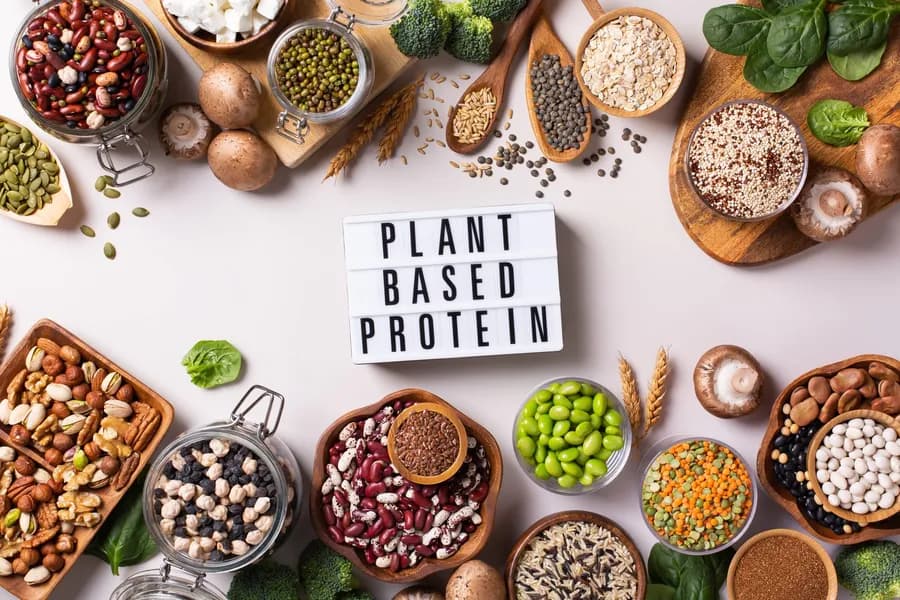
Protein-rich vegetarian foods: 1/4th plate habit
Explore protein, carbohydrates, healthy fats and meal planning for strength training, muscle building and recovery.


Healthy fats: why your body needs fat
Healthy fats help your body absorb vitamins and support brain, hormones, joints, cells and daily meals. Learn simple vegetarian sources and habits.