
Amla Juice Benefits: Immunity, Digestion & Skin
Amla juice concentrates Indian gooseberry into an easy daily shot — vitamin C, antioxidants, and polyphenols without eating the sour fruit itself. See.
Key Takeaways
- Concentrates Indian gooseberry into an easy daily shot of vitamin C and antioxidants.
- Standard serving is 20-30ml diluted in water, once a day.
- Undiluted juice is harsher on the stomach, especially for anyone acid-sensitive.
- Morning on a light stomach is typical, but after a meal is gentler if reflux-prone.
- Check labels – some commercial amla juices add sugar, working against the purpose.
The main amla juice benefits come from concentrating Indian gooseberry into an easy daily shot — the vitamin C, antioxidants and polyphenols found in the whole fruit, without needing to eat the sour fruit itself. Regular amla juice is most associated with immunity support, better digestion, and skin health.
Amla juice benefits at a glance
- Immunity — the vitamin C concentration in amla juice is significantly higher than most fruit juices, gram for gram
- Digestion — supports gut regularity when taken consistently
- Skin — antioxidants and vitamin C support collagen synthesis
- Hair — commonly used in Ayurvedic hair-care routines, taken internally and applied externally
- Detox support — traditionally considered a mild liver tonic (see our liver detox guide for the fuller picture)
How much amla juice to drink
Getting the dose right matters for amla juice benefits: 20–30ml of amla juice, diluted in water, once a day is a typical serving. Undiluted, concentrated juice is stronger than most people need and can be harsh on the stomach lining, especially if you’re prone to acidity.
Best time to drink amla juice
Morning, on a light stomach (not completely empty if you’re acid-sensitive) is the most common recommendation. Taking it right after a meal is gentler if you experience any burning sensation — see our acidity home remedies guide if this is a recurring issue for you.
Amla juice vs whole amla
| | Whole amla | Amla juice |
| --- | --- | --- |
| Fibre | High | Low (unless unstrained) |
| Vitamin C concentration | High | Very high, per ml |
| Ease of daily use | Requires prep | Ready to drink |
| Best for | Digestion + immunity | Quick daily immunity dose |
Both forms deliver real amla juice benefits, just in different ways. For the fuller picture on the whole fruit, see Amla Benefits.
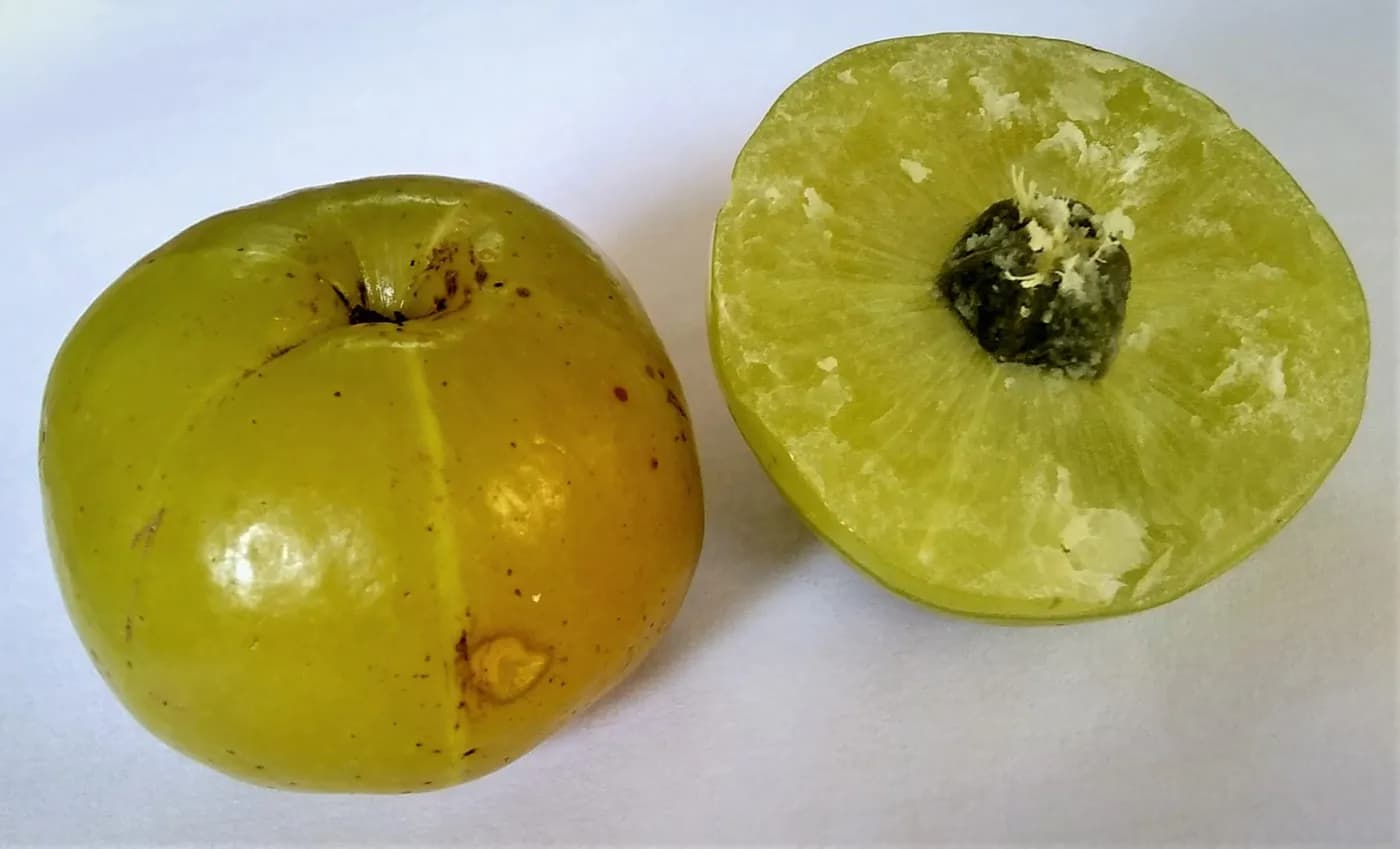
Photo: Deviselvam, CC BY-SA 4.0, via Wikimedia Commons
Common mistakes that undercut amla juice benefits
- Drinking it undiluted — always dilute with water unless the label specifically says otherwise
- Choosing juice with added sugar — check labels; some commercial amla juices add sugar, which works against the purpose
- Taking it alongside acidic medication without spacing them out — amla juice is naturally acidic
Who should be cautious with amla juice
The amla juice benefits most people enjoy come with a few exceptions worth flagging:
- People with acid reflux or GERD — amla juice is naturally acidic, and even diluted, it can trigger symptoms in sensitive people; see our acidity home remedies guide for gentler options
- Anyone on blood-thinning or diabetes medication — amla can mildly affect both clotting and blood sugar, so combining it with these medications is worth discussing with a doctor
- People with a history of kidney stones — amla is high in vitamin C, and very high vitamin C intake from concentrated sources can, in rare cases, contribute to oxalate stone formation in susceptible individuals
- Young children — undiluted or large amounts can be harsh on a smaller digestive system; dilute more than the adult serving if giving it to kids at all
If any of this makes you want a gentler alternative, Amla Powder Uses and Amalaki Rasayan Benefits are milder ways to get amla into your routine, and Amla Benefits covers the whole-fruit basics if you’d rather skip concentrated juice altogether.
How much is too much amla juice
The standard 20–30ml diluted serving covers most of the amla juice benefits people are actually looking for — immunity, digestion, skin support. Drinking significantly more than this, especially undiluted or on an empty stomach, is where side effects tend to appear: acid reflux, loose motion, or stomach cramping in sensitive people. As with most concentrated natural extracts, amla juice benefits follow a moderate-dose pattern rather than a “more is better” one.
Amla juice benefits: myths vs facts
- Myth: Amla juice alone can reverse diabetes. Fact: it may help moderate blood sugar as part of a broader diet, but it doesn’t replace prescribed treatment.
- Myth: Any bottled amla juice gives the same benefit. Fact: many commercial versions add sugar or are heavily diluted with water and preservatives — checking the label matters as much as the fruit itself.
- Myth: Drinking more amla juice multiplies the benefit. Fact: benefits plateau at a moderate daily dose, and excess mainly adds risk of stomach upset, not extra advantage.
Frequently Asked Questions
Related Articles

Amla: Benefits, Uses & Ayurvedic Properties
Explore Amla in Ayurveda, including traditional uses, properties, preparation guidance, side effects and precautions.


Healthy fats: why your body needs fat
Healthy fats help your body absorb vitamins and support brain, hormones, joints, cells and daily meals. Learn simple vegetarian sources and habits.
