
Banana calories and carbohydrates: a practical guide
Understand banana calories and carbs by size, plus potassium, portions, blood sugar tips and easy balanced snack ideas for every day.

Key Takeaways
- Banana calories depend mainly on the size of the fruit.
- Most banana energy comes from carbohydrate.
- Pairing banana with protein can make a snack more filling.
- People with diabetes can discuss suitable portions with their care team.
Bananas are affordable, portable and available through most of the year. They provide quick carbohydrate, but that does not make them “bad”. The useful question is how the portion fits your day.
Banana calories at a glance
- Banana calories rise as the fruit ripens and its starch converts to sugar.
- Banana calories are moderate for a fruit, mostly coming from carbohydrate.
- Banana calories vary with size, from a small banana to a large one.
- Banana calories fit easily into a pre- or post-workout snack.
- Banana calories are not “empty” calories, since the fruit also gives potassium and fibre.
- Banana calories are similar whether the fruit is green or fully ripe, even though the taste differs.
- Banana calories can be part of a balanced snack when paired with nuts or curd.
How many calories are in a banana?
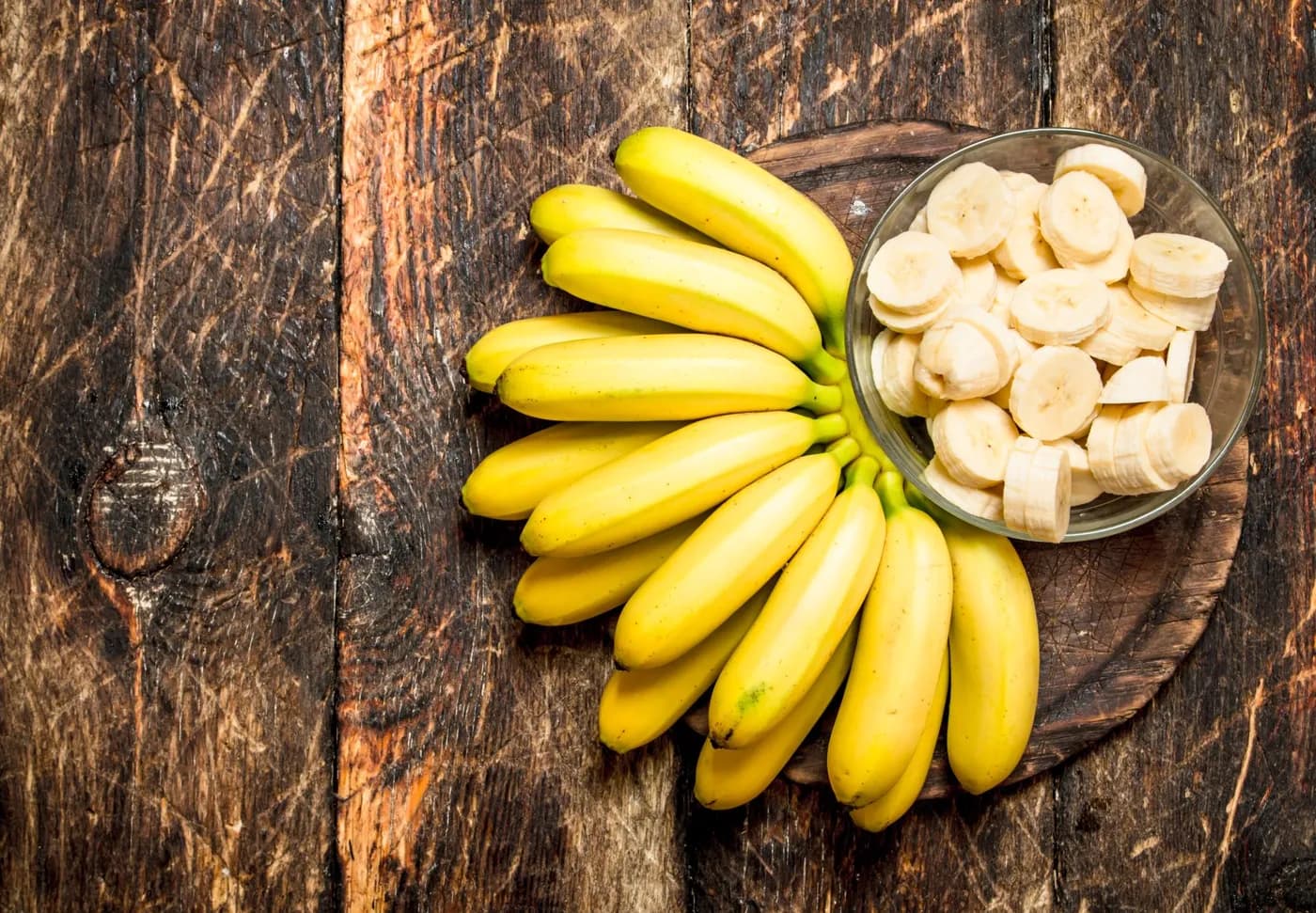
A medium banana is often listed at about 100 calories, but bananas do not come in one fixed size. A small elaichi banana and a large Cavendish banana can be very different. Weighing the edible portion gives the most accurate number, while a trusted food database provides a practical estimate. (1)
For everyday eating, exact counting is rarely necessary. Notice whether the banana is small, medium or large, and consider what else you are eating with it.
Banana carbs and fibre
Most calories in banana come from carbohydrate, including natural sugars and starch. The fruit also provides fibre. As a banana ripens, some starch changes into sugar, which is why a spotted banana tastes sweeter.
This change does not suddenly turn the fruit into junk food. Ripeness affects taste, texture and how quickly it is digested. Portion, meal pairing and individual response matter more than fear of a brown spot.
Potassium and other nutrients
Bananas provide potassium along with vitamin B6 and other nutrients. Potassium helps nerves, muscles and the heart work normally. It also supports fluid balance. (2)
Bananas are useful, but they are not the only potassium source. Dal, beans, potatoes, spinach, curd and many fruits and vegetables also contribute. Eating a varied diet is a better plan than depending on one food.
People with kidney disease may need to limit potassium. Follow your renal dietitian or doctor’s advice instead of adding bananas for a health claim.
This connects well with Oats Nutrition: Types, Fibre, Portions and Breakfast Ideas and High Protein Vegetarian Foods if you want the fuller picture.
When is a banana useful?
A banana can be a convenient pre-exercise snack because it is easy to carry and supplies carbohydrate. Some people prefer it 30 to 90 minutes before movement; others need more time. Test what feels comfortable for your body.
It can also help after exercise when paired with a protein source such as milk, curd or a soy drink. The banana restores carbohydrate while the protein supports recovery.
At breakfast, slice banana over oats instead of adding sugar. At snack time, pair half or one banana with peanuts or peanut butter.
How to build a balanced banana snack
Add banana to plain curd with cinnamon.
Spread unsweetened peanut butter on banana slices.
Blend banana with milk or soy drink and no added sugar.
Top oats with half a banana and pumpkin seeds.
Pair a small banana with roasted chana.
A banana alone is still a valid snack. Pairing becomes useful when you need longer-lasting fullness or when the fruit is part of a meal.
Bananas and blood sugar
Fruit can fit into many diabetes meal plans. The amount of carbohydrate, ripeness, portion and other foods in the meal can affect blood glucose. Personal monitoring and professional guidance are more useful than a blanket ban. (3)
A small banana paired with curd, nuts or seeds may suit some people better than a large banana smoothie. Smoothies are easy to drink quickly and may contain several fruit portions.
Safety and storage
Let green bananas ripen at room temperature. Once ripe, refrigeration can slow further softening even if the peel darkens.
Wash your hands before peeling and keep cut banana covered and chilled. Food-safety basics apply to fruit as they do to other foods. (4)
Anyone with a banana or latex allergy should be careful. Seek urgent help for breathing trouble, swelling or a severe reaction.
Relevant Habuild interlink
Use simple food habits alongside Habuild’s Strong Everyday programme for a consistent strength routine.
Frequently Asked Questions
Related Articles
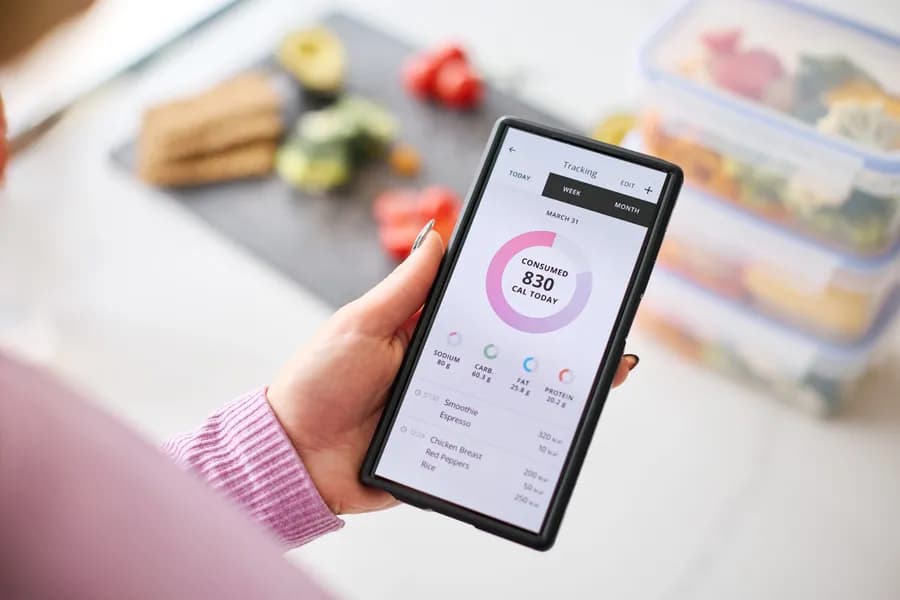
Does Yoga Burn Calories? Here’s What You Need to Know
Yes — yoga engages multiple muscle groups, raises your heart rate in dynamic styles, and builds the kind of consistent movement that supports metabolism.


Surya Namaskar Calories Burned: Complete Guide
Discover exactly how many surya namaskar calories burned per set & round. Build a consistent practice with Habuild’s guided yoga — try for ₹1.
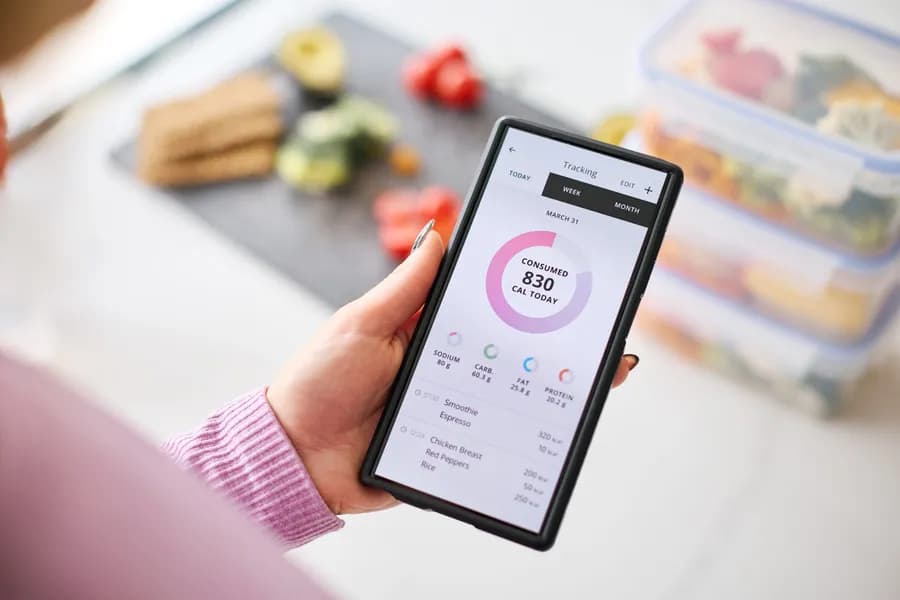
How Many Calories Should Be Burned in a Day? the Honest Answer
Burning 300-500 extra calories through exercise while eating 200-300 fewer creates the deficit that produces the most sustainable rate of weekly fat loss. See the complete breakdown.