
Beetroot Benefits: Nutrition, Nitrates and Easy Meal Ideas
Beetroot provides folate, fibre, potassium and natural nitrate compounds the body can convert into nitric oxide. Learn easy meal ideas.
Key Takeaways
- Beetroot provides fibre, folate and naturally occurring nitrates.
- The body can convert dietary nitrate into nitric oxide.
- Juice is concentrated and less filling than the whole vegetable.
- Red or pink urine and stool can be harmless after eating it.
- Oxalate, kidney disease and blood-pressure medicines may affect portion advice.
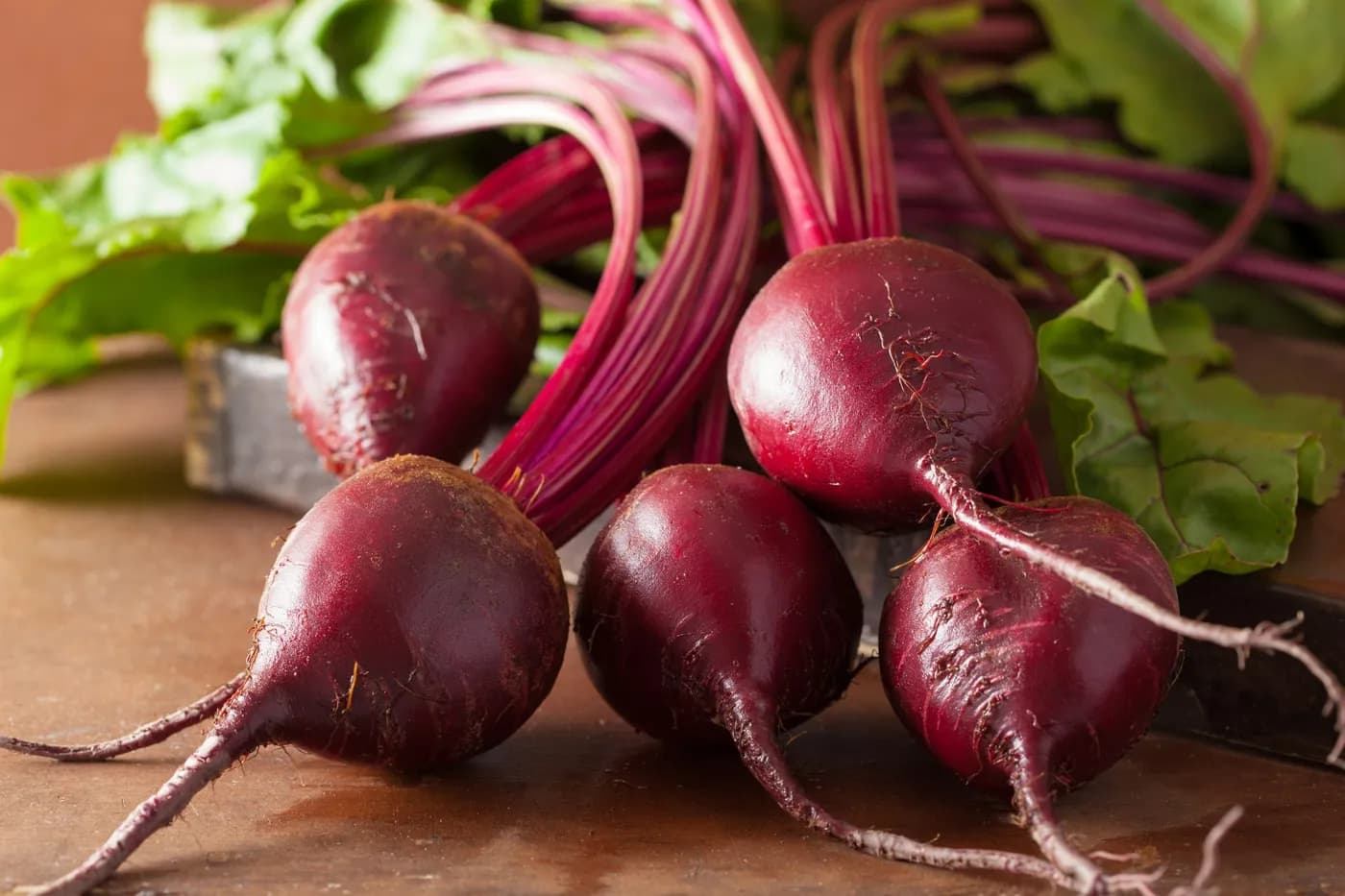
Beetroot is a colourful root vegetable that provides fibre, folate, potassium and natural nitrate compounds. It can be roasted, grated, steamed or blended, but whole beetroot and concentrated juice do not affect a meal in exactly the same way.
Research on beetroot benefits is most interesting around blood pressure and exercise performance. Findings are promising in some groups but variable, and the vegetable should not be promoted as a substitute for medicine or training.
Beetroot nutrition at a glance
Whole beetroot provides carbohydrate, fibre, folate, potassium and plant pigments called betalains. Folate supports cell division and blood formation, while potassium contributes to normal muscle, nerve and fluid functions.
Beetroot nutrition is useful but not unique. Folate also comes from greens, beans and lentils, while fibre is found in fruit, vegetables, pulses and whole grains. A varied plate offers more than relying on one colourful vegetable.
Habuild’s high-fibre foods guide includes several vegetarian options that can complement beetroot.
Natural nitrates and nitric oxide
Dietary nitrate can be converted through the body’s nitrate–nitrite pathway into nitric oxide, which helps blood vessels relax. This is different from the harmful context often associated with processed-meat preservatives; the food source and overall diet matter.
Antibacterial mouthwash may temporarily affect oral bacteria involved in this pathway, but that is not a reason to neglect dental advice or stop a prescribed product. Research protocols also use specific juices and doses that may not match a home recipe.
Possible beetroot benefits
Blood pressure
Reviews of trials suggest beetroot juice can produce a modest average reduction in blood pressure in some adults. Results vary by dose, population, duration and whether participants already use medicine.
This does not mean everyone should drink concentrated juice. Blood-pressure management includes sodium intake, activity, sleep, medicines and monitoring. If you take antihypertensive medicine or tend to have low readings, discuss regular juice use with a clinician.
Exercise performance
Nitrate-rich products have been studied for endurance and exercise efficiency. Some people, particularly recreational exercisers, may experience small improvements, while trained athletes may notice little change. Timing and dose in studies are controlled.
Beetroot benefits cannot replace gradual training, carbohydrates, hydration, rest and recovery. A person beginning exercise does not need a supplement shot. Whole food can fit a normal pre- or post-workout meal according to comfort.
Fibre and digestion
Whole beetroot contributes fibre that can support regular bowel movements. Juice loses much of this structure and is easier to consume quickly. Large amounts may cause bloating or loose stools in sensitive people.
Increase fibre gradually and drink appropriate fluids. Persistent constipation, bleeding or severe abdominal pain requires medical advice rather than repeated juice cleanses.
Plant pigments and antioxidant claims
Betalains show antioxidant activity in laboratory studies. This does not prove that beetroot prevents cancer, reverses ageing or “detoxifies” the liver. Human health outcomes depend on the whole diet and many other factors.
Eating different coloured vegetables is more useful than chasing one pigment or buying an expensive powder.
Whole beetroot, juice or powder?
Whole cooked or raw beetroot retains fibre and requires chewing, which supports fullness. Juice is more concentrated, can deliver carbohydrate and nitrate quickly and is less satisfying. Packaged drinks may also contain added sugar or fruit concentrate.
Powders vary in processing and nitrate content. A scoop cannot be assumed equivalent to a serving used in research. Supplements may also carry contamination or interaction risks.
For everyday eating, whole vegetables are usually the simplest choice. Habuild’s everyday diet and nutrition guide can help build them into a balanced plate.
How to use beetroot in vegetarian meals
If you are learning how to use beetroot, begin with familiar recipes:
- Grate it into salad with lemon and roasted seeds.
- Roast cubes with cumin and other vegetables.
- Add cooked pieces to plain curd for raita.
- Mix grated beetroot into atta for colourful rotis.
- Add it to vegetable cutlets with beans or lentils.
- Blend a small cooked portion into soup.
- Use it in poriyal or sabzi with coconut and spices.
- Pair it with dal, tofu, paneer or curd to complete the meal.
Wash produce under clean running water before cutting. Peeling is optional when the surface is cleaned and the recipe suits the skin.
Portion and timing
There is no mandatory daily portion. Around half to one cup within a meal may be practical for many adults, but appetite, carbohydrate needs, kidney health and tolerance differ.
There is no special benefit to eating it on an empty stomach. Athletes using concentrated nitrate products should obtain sports-dietitian guidance rather than copying an online dose. Children need age-appropriate portions and textures.
Red urine or stool
Beeturia is the red or pink colour that may appear in urine or stool after eating beetroot. It is often harmless and reflects pigments passing through the body.
Do not automatically assume every red colour is caused by food. Blood in urine or stool, pain, clots, dizziness or colour that continues without recent intake needs medical assessment.
Oxalate, kidney stones and other precautions
Beetroot contains oxalate and may not suit every kidney-stone prevention plan. Stone type, urine results and the overall diet determine advice. Do not remove nutritious foods unnecessarily, but ask a clinician or dietitian if you have recurrent stones.
People with kidney disease may also need individual potassium or fluid guidance. Juice can add carbohydrate quickly, so diabetes portions should fit the meal plan and glucose response.
Seek urgent help for breathing trouble, facial swelling, faintness or widespread hives. Although allergy is uncommon, it is possible.
What beetroot cannot do
Beetroot does not cure anaemia simply because it is red. While it provides folate, it is not a particularly concentrated iron source, and iron deficiency needs blood tests and appropriate treatment.
It also cannot cleanse the liver, guarantee lower blood pressure or replace exercise. Presenting beetroot benefits accurately makes the vegetable easier to enjoy without unrealistic expectations.
A simple habit to try
Cook one beetroot with other vegetables and use it across two meals: raita at lunch and roasted cubes at dinner. This reduces preparation effort while keeping the portion moderate. Review whether you enjoy and tolerate it before buying juice or powder.
Editorial sources
Frequently Asked Questions
Related Articles
Protein-rich vegetarian foods: 1/4th plate habit
Explore protein, carbohydrates, healthy fats and meal planning for strength training, muscle building and recovery.


Healthy fats: why your body needs fat
Healthy fats help your body absorb vitamins and support brain, hormones, joints, cells and daily meals. Learn simple vegetarian sources and habits.