
Blue Tea Benefits: Butterfly Pea Flower, Uses and Safety
Blue tea is an infusion of butterfly pea flowers, and its blue anthocyanin pigments change colour when lemon is added. Learn its safety.
Key Takeaways
- Blue tea is usually made from butterfly pea flowers.
- Pure butterfly pea tea is naturally caffeine-free.
- Its blue colour comes mainly from pigments called anthocyanins.
- Lemon changes the colour by altering the drink’s acidity.
- Evidence for weight loss, diabetes and brain health remains limited.
- Large quantities may cause digestive discomfort.
- Pregnancy and medicine use require additional caution.
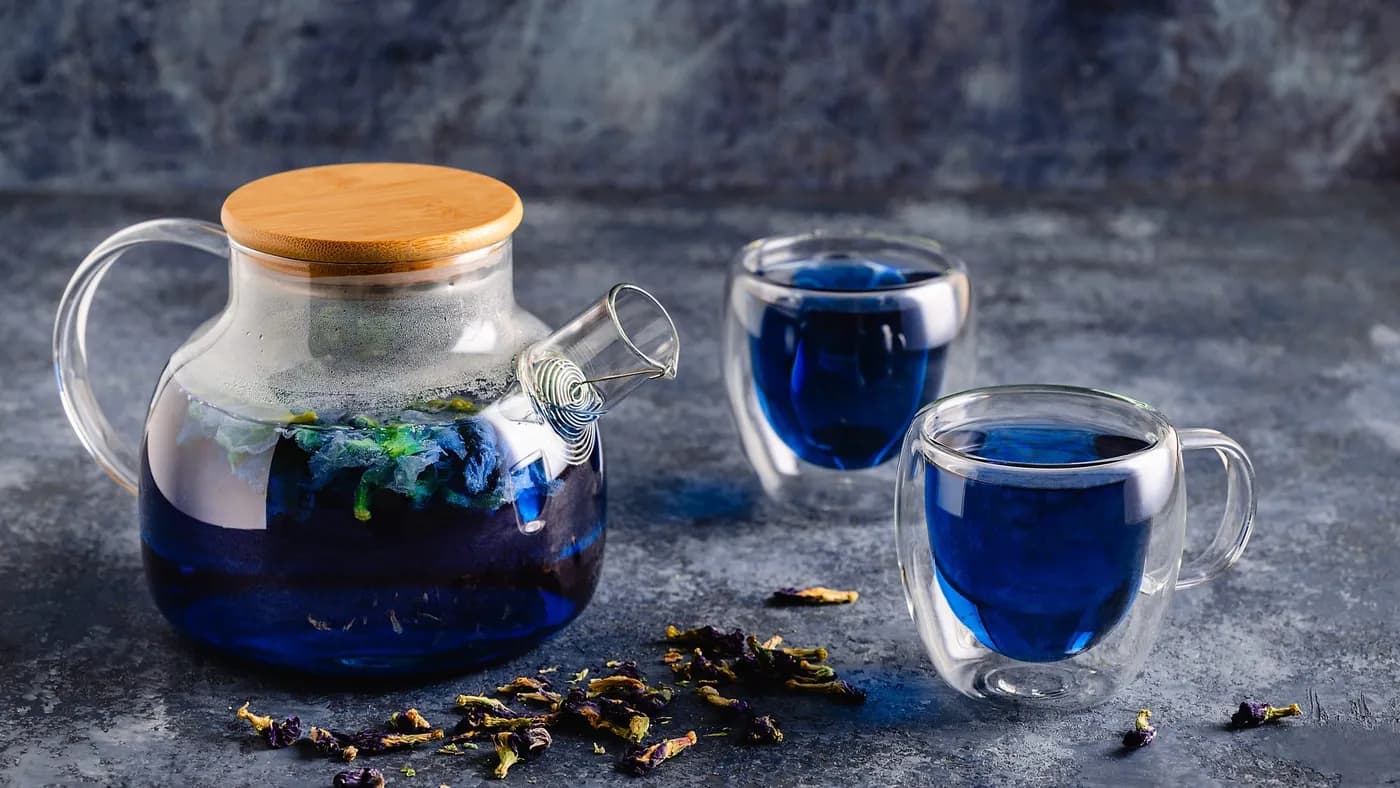
Blue tea is a colourful herbal drink prepared from the dried flowers of the butterfly pea plant, or Clitoria ternatea. The flowers release a vivid blue colour when steeped in water and turn purple or pink when lemon is added.
Most blue tea benefits are linked to its plant pigments and its role as an unsweetened, caffeine-free drink. However, human research is still limited, and it should not be treated as a cure or weight-loss remedy.
What is blue tea?
Butterfly pea is a climbing plant grown in parts of Asia, including India. Its blue flowers are used in herbal drinks, rice dishes, desserts and natural food colouring.
To prepare blue tea, fresh or dried flowers are steeped in hot water. The drink has a mild, earthy flavour that is often combined with lemon, ginger, mint or another herb.
It is different from green, black and oolong tea because those drinks come from the Camellia sinensis plant and naturally contain caffeine. Pure butterfly pea flower tea does not usually contain caffeine.
Always check packaged blends because some products combine butterfly pea flowers with green tea, black tea or other caffeinated ingredients.
Why does blue tea change colour?
Butterfly pea flowers contain blue plant pigments called anthocyanins. Their colour changes according to pH.
When lemon or another acidic ingredient is added, the drink changes from blue to purple or pink. This is a normal chemical reaction and does not mean that the tea has become more nutritious or medicinal.
The colour may also vary depending on the number of flowers, steeping time and mineral content of the water.
Possible blue tea benefits
A caffeine-free drink
One of the most practical blue tea benefits is that pure butterfly pea tea can provide a warm or chilled drink without caffeine.
This may suit people who experience restlessness, palpitations or disturbed sleep after coffee or regular tea. It can also provide variety for people trying to reduce their daily caffeine intake.
However, caffeine-free does not automatically mean suitable for everyone. Added herbs and sweeteners can change the final drink.
Plant compounds
Butterfly pea flowers contain anthocyanins and other naturally occurring plant compounds. Laboratory studies show that some of these compounds have antioxidant activity.
Antioxidants help protect cells from oxidative damage, but laboratory findings do not prove that blue tea prevents cancer, reverses ageing or cures disease in people.
A varied diet containing fruits, vegetables, pulses, herbs and spices provides a much wider range of plant compounds.
Habuild’s healthy fruits guide explains why dietary variety matters.
Hydration
Unsweetened blue tea contributes to daily fluid intake. It can be served warm or chilled according to preference.
The hydration benefit comes mainly from the water, not from the blue colour. Plain drinking water remains an effective and affordable option.
Adding large amounts of sugar, honey or syrup turns the drink into a sweetened beverage.
Blood sugar claims
Some laboratory and small human studies have explored whether butterfly pea preparations may affect the rise in blood glucose after a meal.
The evidence is not strong enough to show that blue tea treats diabetes or reliably lowers blood sugar. Studies may also use concentrated extracts rather than a normal cup of tea.
People with diabetes should not replace medicine or a prescribed eating plan with butterfly pea tea. Monitor blood glucose according to medical advice.
Brain and memory claims
Traditional practices sometimes associate butterfly pea with memory, focus or calmness. Laboratory and animal studies have investigated its possible effects on the nervous system.
There is not enough reliable human evidence to conclude that blue tea improves memory, treats anxiety or prevents dementia.
Sleep, physical activity, social connection, learning and medical care remain more important for brain health.
Digestion
A warm herbal drink may feel soothing, but blue tea is not a proven treatment for constipation, acidity or indigestion.
Some people may instead experience nausea, stomach discomfort or loose stools after consuming a strong preparation or a large amount.
Start with a mild cup and stop if it repeatedly causes symptoms.
Does blue tea help with weight loss?
Blue tea does not burn fat or target the abdomen. There is no strong evidence that drinking it causes meaningful weight loss.
Replacing a sugary drink with unsweetened herbal tea may reduce calorie intake. The benefit comes from avoiding the sugary beverage rather than from a special fat-burning property.
Weight management depends on the complete diet, movement, sleep, medicines and health conditions.
Habuild’s everyday diet and nutrition guide offers practical guidance for balanced meals.
How to make blue tea
A simple cup can be prepared using:
- Four to six dried butterfly pea flowers
- One cup of hot water
- Lemon, ginger or mint if desired
Place the flowers in a cup and add hot water. Allow them to steep for approximately five minutes, or according to the product instructions. Strain before drinking.
Add a small squeeze of lemon if you want the colour to change from blue to purple. Avoid boiling the flowers for a long time, as this may create an unpleasantly strong flavour.
There is no compulsory time to drink it. It can be consumed during the day or evening if the blend is genuinely caffeine-free.
How much can you drink?
There is no medically established daily requirement for blue tea.
An occasional mild cup may be tolerated by many healthy adults. Drinking several strongly brewed cups every day has not been studied well enough to guarantee safety.
More does not produce greater blue tea benefits. Begin with a small amount and observe how your body responds.
Buying butterfly pea flowers
Choose flowers or tea bags sold specifically as food products. Decorative flowers from a nursery or florist may have been treated with pesticides or other chemicals not intended for consumption.
Check for:
- A sealed food-grade pack
- A clear ingredient list
- Batch and best-before information
- Signs of moisture or mould
- Added tea leaves or caffeine
- Added flavours, colours or sugar
Store dried flowers in an airtight container away from heat, sunlight and moisture. Discard them if they develop mould, insects or an unusual smell.
Possible side effects
Research on regular consumption is limited. Reported or possible side effects include:
- Nausea
- Stomach discomfort
- Bloating
- Loose stools
- An allergic reaction
Stop drinking it if symptoms occur repeatedly. Seek urgent medical help for breathing difficulty, facial or throat swelling, faintness or widespread hives.
Pregnancy and breastfeeding
There is not enough reliable safety information about concentrated butterfly pea preparations during pregnancy or breastfeeding.
Food quantities and occasional mild drinks differ from extracts or supplements, but caution is still sensible. Discuss regular use with a qualified clinician.
Butterfly pea extracts should not be used to trigger menstruation or manage pregnancy-related symptoms.
Medicines and medical conditions
Laboratory research suggests that butterfly pea compounds may influence blood sugar or other biological processes. The clinical importance of these effects remains uncertain.
People taking diabetes medicine, blood-pressure medicine or anticoagulants should seek professional advice before consuming concentrated extracts or large daily amounts.
Anyone with kidney, liver or other chronic medical conditions should not use blue tea as treatment.
Can children drink blue tea?
Children do not need butterfly pea tea for immunity, memory or growth.
If it is offered as a food or drink, use a weak preparation made from food-grade flowers and avoid excessive sugar. Parents should consult a paediatric professional when a child has allergies, takes medicine or has a medical condition.
Keep hot drinks away from young children to prevent burns.
What blue tea benefits cannot do
Blue tea cannot detoxify the body, melt fat, cure diabetes or improve memory on demand.
Its realistic value is simpler: it provides an attractive, usually caffeine-free drink containing plant pigments. It can add variety to a balanced routine without needing exaggerated health claims.
Sources
Frequently Asked Questions
Related Articles
Chamomile Tea for Sleep: Does It Really Work?
Chamomile tea for sleep has more real evidence behind it than most bedtime folk remedies — but it's a mild aid, not a sedative. See how it compares to warm milk and valerian root.


Healthy fats: why your body needs fat
Healthy fats help your body absorb vitamins and support brain, hormones, joints, cells and daily meals. Learn simple vegetarian sources and habits.
