Brahmi Benefits, Uses, Side Effects and Safety
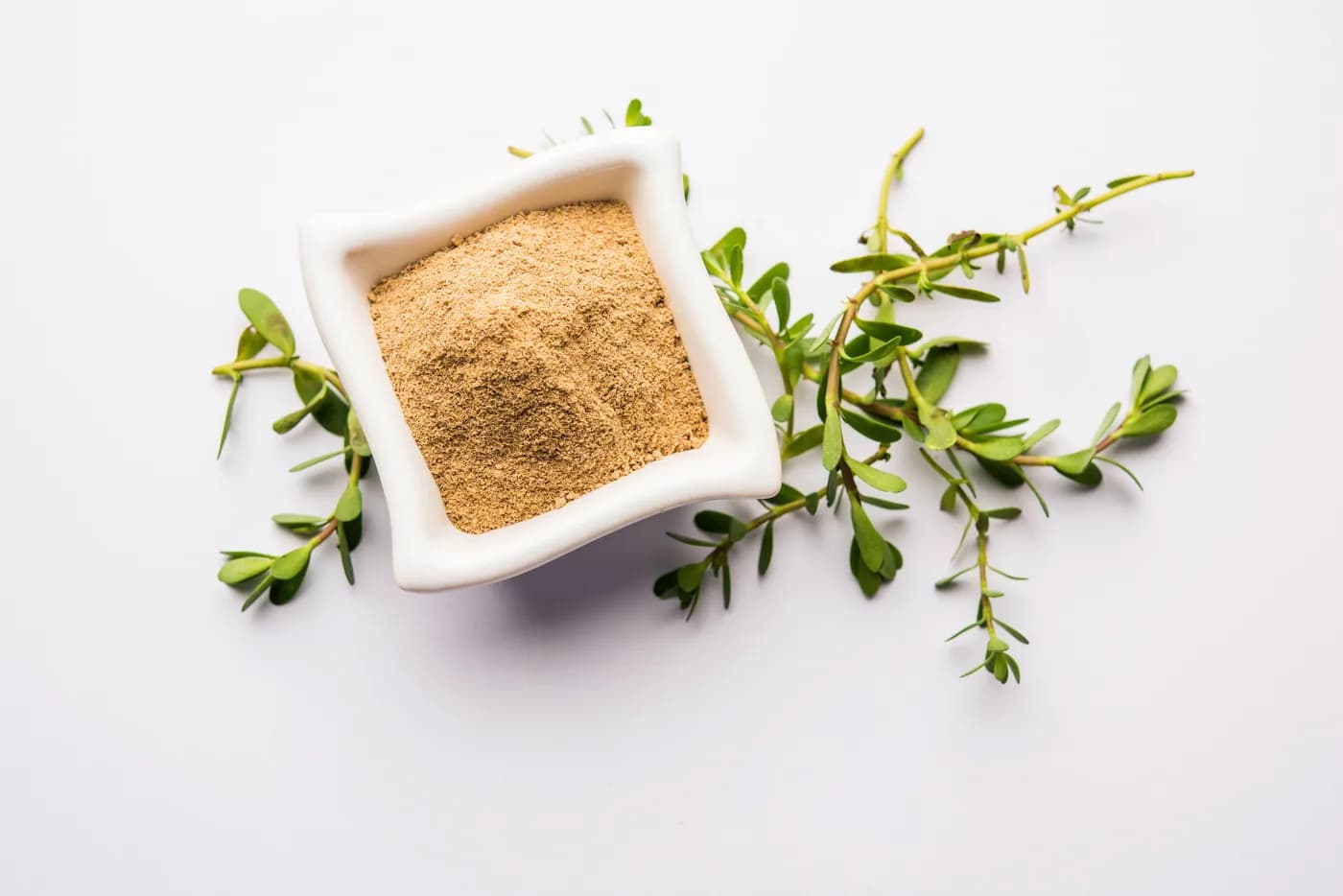
Brahmi is a traditional name that may refer to Bacopa monnieri, but some products use the name for Centella asiatica. This identity problem matters…
Key Takeaways
- Check the botanical name; “brahmi” is not always the same plant.
- Small trials have studied memory and attention over several weeks.
- Stomach upset, diarrhoea and increased bowel movements are common concerns.
- Supplements do not treat dementia, anxiety or learning disorders.
Brahmi is a traditional name that may refer to Bacopa monnieri, but some products use the name for Centella asiatica. This identity problem matters because the plants, doses and evidence are different. Research on standardised Bacopa extracts suggests possible effects on some memory measures, but conclusions remain limited. This guide examines the brahmi product without overstating what one food, habit or supplement can do.
Brahmi benefits: the useful starting point
Bacopa products may be powders, syrups, tablets or standardised extracts containing bacosides. A study of one standardised extract cannot validate every powder or proprietary blend. Check plant identity, serving amount, batch details and independent quality testing.
What research can—and cannot—say about the brahmi product
To judge brahmi benefits fairly, look beyond a positive headline. Study length, dose, comparison group and participant health all influence the result. Changes in a marker such as glucose, cholesterol or an antioxidant measurement do not automatically mean that people feel better or avoid disease.
How to interpret claims about the brahmi product
Before acting on a claim about brahmi benefits, identify whether it refers to normal intake, a high-dose product or treatment of a diagnosed condition. These are different questions. Personal testimonials cannot show how often a result occurs or whether another change caused it.
If you are considering brahmi benefits
- Do not combine several “brain” supplements at once.
- Record the exact product, dose, timing and adverse effects.
- Use only for a clear, time-limited reason discussed with a professional.
- Stop if there is no meaningful benefit or troublesome symptoms occur.
Try the brahmi product in a way that has a clear purpose and fits the existing routine. Change one variable at a time, then consider tolerance, cost and whether the intended benefit is actually noticeable. Continuing automatically because a product is fashionable is not a useful test.
Product quality and safe use
Treat brahmi benefits as a time-limited trial only when there is a clear reason to use it. Record the product, dose, timing, response and adverse effects. A pharmacist or clinician should review possible interactions, especially when regular medicines or chronic conditions are involved.
Safety considerations for the brahmi product
Bacopa can cause nausea, cramps, diarrhoea and dry mouth. It may affect thyroid medicines, sedatives and drugs processed by certain liver enzymes. Avoid unsupervised use during pregnancy or breastfeeding. People with a slow heart rate, ulcers, asthma or thyroid disease need medical advice.
Individual responses to brahmi benefits vary. New pain, persistent vomiting, marked weakness, rash or other concerning changes are reasons to stop and obtain advice. Higher amounts are not a sensible response to uncertain benefit.
Where the brahmi product fits—and where it does not
Brahmi benefits should be judged by what it adds, what it replaces and whether it creates any harm. Reliable evidence and everyday feasibility are stronger reasons to continue than testimonials. Reassess if the cost, restrictions or side effects outweigh the intended value.
Practical questions before you begin
Begin by defining what you expect brahmi benefits to change. A broad aim such as “better health” is difficult to judge, whereas a specific goal—improving variety, solving a preparation problem or discussing a symptom—can be reviewed. Consider the starting point, the time needed for a meaningful change and other habits that influence the same outcome. This prevents normal day-to-day variation from being mistaken for proof that one ingredient or practice is working.
Context also determines whether a claimed advantage is relevant. A nutrient-rich item can support dietary quality without producing a drug-like effect, and an improvement in a laboratory marker may not translate into a noticeable health outcome. When considering brahmi benefits, look for the absolute size of any reported effect and the duration of follow-up. Small short-term studies can suggest possibilities, but they should not be converted into guaranteed results for everyone.
Keeping expectations realistic
Watch for unintended trade-offs while trying brahmi benefits. A restrictive rule may reduce dietary variety; a drink may add sugar or acidity; a supplement may overlap with medicines; and a large serving may cause digestive discomfort. Review the complete pattern rather than focusing only on the advertised feature. The aim is a net improvement that can be maintained comfortably, not perfect adherence to a trend or an arbitrary target.
Common warning signs include escalating the amount, combining several products with similar ingredients or relying on testimonials in place of reliable guidance. Stop and seek advice if a new rash, persistent digestive symptoms, unusual weakness or another concerning change follows use. Urgent symptoms need urgent care. Discuss brahmi benefits with a qualified professional when regular medication, surgery, pregnancy or a chronic condition makes interactions or restrictions more likely.
Ultimately, brahmi benefits is one part of a larger picture. Its value should be assessed by the quality it adds, the alternative it replaces and any inconvenience or adverse effect it creates. Clear goals and accurate labels make that assessment easier. Where evidence is uncertain, the honest conclusion is uncertainty—not a promise. Choosing a moderate, sustainable approach usually provides more useful information than pursuing rapid change through unusually large portions or concentrated products.
Communication matters when several people influence the plan. Family advice, online claims and professional recommendations may use the same words while referring to different forms or amounts. For brahmi benefits, write down the exact question and bring the label or recipe when seeking guidance. Clear details help a clinician or dietitian identify relevant interactions, unrealistic expectations and safer substitutions without dismissing personal preferences or cultural eating patterns.
Editorial sources
Frequently Asked Questions
Related Articles

Ashwagandha Powder : Benefits, Uses and Safety
Ashwagandha, or Withania somnifera, is an herb used in Ayurveda and sold as dried root powder, capsules and concentrated extracts. It is promoted for…


Aloe Vera: Benefits, Uses & Ayurvedic Properties
Explore Aloe Vera in Ayurveda, including traditional uses, properties, preparation guidance, side effects and precautions.


Anantmool (Indian Sarsaparilla): Benefits, Uses & Ayurvedic Properties
Explore Anantmool (Indian Sarsaparilla) in Ayurveda, including traditional uses, properties, preparation guidance, side effects and precautions.