
Carrot Nutrition: Beta-Carotene and Easy Ways to Eat Them
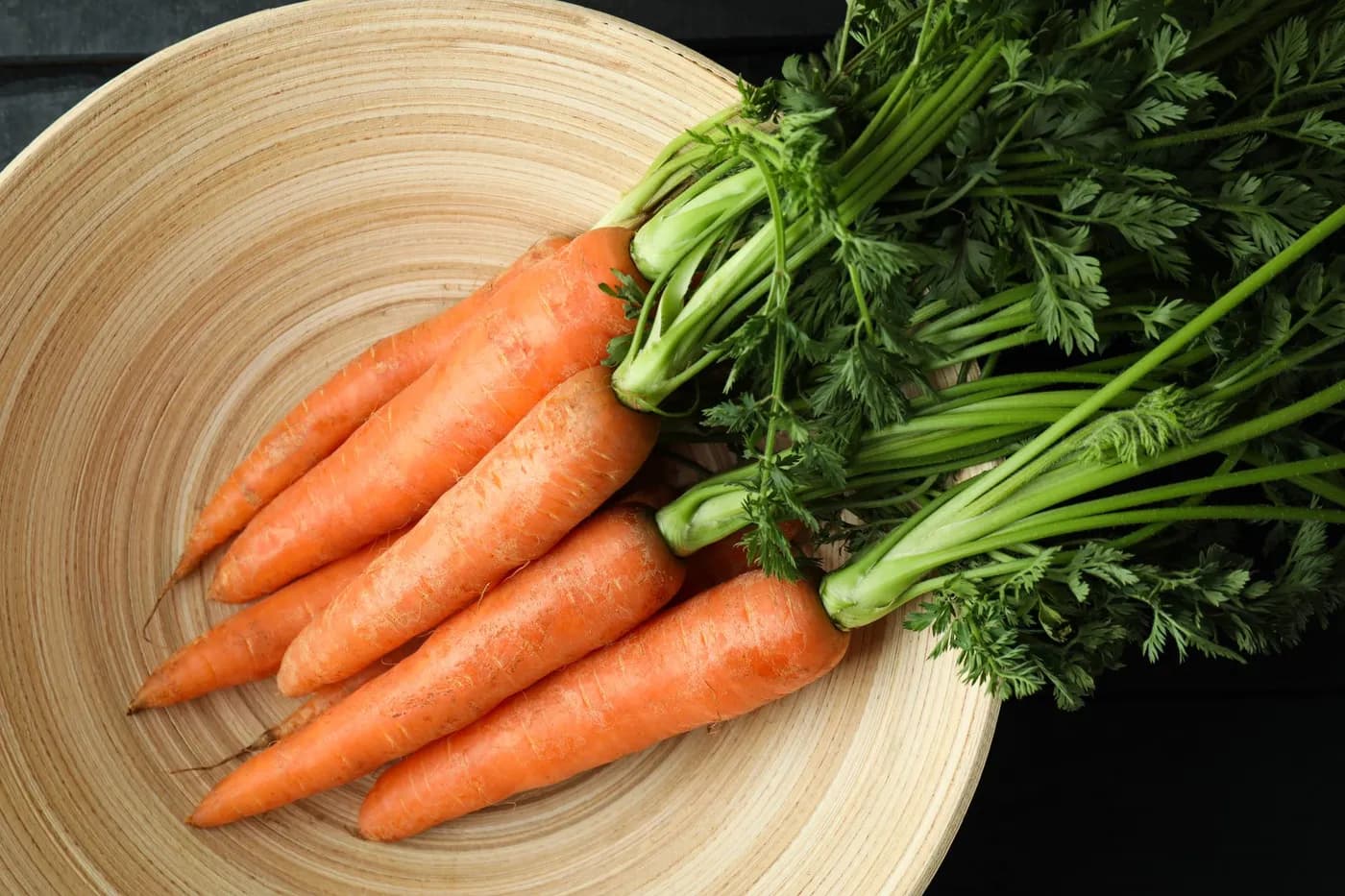
Carrots provide beta-carotene, fibre, potassium and natural sweetness. The body can convert beta-carotene into vitamin A.
Key Takeaways
- Carrots provide beta-carotene, fibre and potassium.
- The body converts beta-carotene into vitamin A as needed.
- Raw and cooked versions can both be nutritious.
- A little fat in the meal supports carotenoid absorption.
- Very high repeated intake can temporarily colour the skin yellow-orange.
Carrots are affordable, naturally sweet and available in several colours. They provide fibre, potassium and carotenoids, especially beta-carotene, which the body can convert into vitamin A according to need.
Good carrot nutrition can support normal vitamin A intake, but it does not create perfect eyesight or treat eye disease. Raw and cooked carrots can both fit a balanced vegetarian diet, and a little dietary fat helps the body absorb carotenoids.
Carrot nutrition at a glance
Carrots are mostly water and carbohydrate, with useful fibre and natural sweetness. Orange varieties are especially rich in beta-carotene, while purple, yellow and red varieties contain different plant pigments.
Vitamin A supports normal vision, immune function, growth and cell development. Beta-carotene from food is converted according to the body’s needs, which differs from taking high-dose preformed vitamin A supplements.
Carrot nutrition is one part of a varied diet. Greens, pumpkin, sweet potato and other colourful vegetables also provide carotenoids. Habuild’s everyday diet and nutrition guide can help create variety across the week.
Does eating carrots improve eyesight?
Vitamin A deficiency can impair vision, so adequate intake matters. However, eating extra carrots does not sharpen normal eyesight or remove the need for spectacles. Refractive errors, cataracts, glaucoma and retinal diseases require professional eye care.
Night-vision stories are often simplified into a promise that more is always better. Once nutritional needs are met, excessive intake does not provide superhuman vision. Sudden vision changes, eye pain, flashes or a curtain-like shadow need urgent assessment.
Possible benefits of carrots
Fibre and digestion
Fibre supports bowel regularity and helps whole vegetables provide texture and fullness. Carrot juice contains less fibre and is easier to drink quickly. It should not replace all whole vegetables.
A sudden large increase in raw vegetables may cause gas or bloating. Increase fibre gradually and drink appropriate fluids. For more substantial sources, see Habuild’s high-fibre foods guide.
Heart-friendly eating
Vegetables can form part of a heart-friendly dietary pattern because they add fibre, potassium and plant compounds. Carrots do not independently lower cholesterol or blood pressure enough to replace treatment.
Benefits depend on the full plate and cooking method. A lightly cooked sabzi is different from a deep-fried snack or dessert with substantial sugar and fat.
Plant compounds
Carotenoids have antioxidant roles, and observational research often links vegetable-rich diets with health. These findings do not prove that one food prevents cancer or reverses ageing.
Eating different colours is more useful than relying on a concentrated beta-carotene capsule. High-dose beta-carotene supplements have specific safety concerns, particularly for people who smoke or previously smoked.
Raw versus cooked carrots
Raw carrots offer crunch and retain their fibre. Cooking softens the cell structure and may make carotenoids easier to access. Some water-soluble nutrients can move into cooking water, so use the liquid in soups or cook with limited water when practical.
Neither form is universally better. Choose raw sticks, grated salad, steamed pieces, roasted vegetables or sabzi according to preference and digestion. A small amount of nuts, seeds, curd or cooking oil can support carotenoid absorption.
How to use carrots in everyday meals
If you are exploring how to use carrots, keep recipes familiar and vegetarian:
- Grate them into salad with lemon and seeds.
- Add chopped pieces to poha, upma or pulao.
- Roast them with cumin and other vegetables.
- Stir them into dal, sambar or vegetable soup.
- Serve soft sticks with a curd or hummus dip.
- Add grated carrot to atta for parathas.
- Mix it into vegetable cutlets with beans or lentils.
- Prepare gajar halwa occasionally with attention to sugar and fat.
Pair vegetables with a clear protein source such as dal, chana, tofu, paneer or curd. Habuild’s protein-rich vegetarian foods guide offers simple combinations.
Carrot juice: useful or overhyped?
Juice can contribute flavour and carotenoids, but it removes much of the fibre and condenses several carrots into a drink. It is less filling than chewing the vegetable and can add carbohydrate quickly.
Choose a small unsweetened portion if you enjoy it rather than treating juice as a detox. Packaged versions may include added sugar or other fruit concentrates. People managing diabetes should count the carbohydrate within their plan.
Portion and timing
There is no required daily number. Half to one cup as part of a meal may suit many adults, but vegetable variety matters more than forcing the same food every day.
Carrots can be eaten at any convenient time. Eating them on an empty stomach has no proven special advantage. Children need age-appropriate pieces and supervision because hard raw rounds or sticks can cause choking.
Carotenemia and other precautions
Eating very large amounts of carotene-rich foods over time can turn the skin yellow-orange, especially around the palms and soles. This condition, called carotenemia, is usually harmless and improves when intake is reduced.
Yellow skin can also reflect jaundice, which may affect the whites of the eyes and require urgent assessment. Do not assume every colour change is caused by carrots.
Allergy is possible, including oral itching in people with certain pollen allergies. Seek urgent help for breathing trouble, facial swelling, faintness or widespread hives.
Wash carrots under running water and remove damaged areas. Peeling is optional when the surface is cleaned. Store them refrigerated and discard slimy, mouldy or foul-smelling produce.
What carrots cannot do
Carrots cannot cure eye disease, guarantee glowing skin, detox the liver or prevent every infection. They also do not become unhealthy merely because they taste sweet.
The realistic value of carrot nutrition is its contribution of fibre, carotenoids, colour and versatility within a varied plate.
A simple habit to try
Wash and prepare enough carrots for two meals. Use grated carrot in a lunch salad and cooked pieces in dinner dal or sabzi. This adds variety without depending on juice or supplements.
Editorial sources
Frequently Asked Questions
Related Articles
Protein-rich vegetarian foods: 1/4th plate habit
Explore protein, carbohydrates, healthy fats and meal planning for strength training, muscle building and recovery.


Healthy fats: why your body needs fat
Healthy fats help your body absorb vitamins and support brain, hormones, joints, cells and daily meals. Learn simple vegetarian sources and habits.