
Chia Seeds for Constipation: How to Use Them Correctly
Chia seeds work for constipation mainly through soluble fibre, which absorbs water and adds soft bulk to stool. See how to use them correctly, with.
Key Takeaways
- Soluble fibre absorbs water and swells into a gel, adding soft bulk to stool.
- The single most important rule: soak chia seeds, never eat them dry.
- Eating chia dry can pull water from the gut instead, worsening constipation.
- Start with one tablespoon a day and increase gradually as your body responds.
- Works best alongside enough water intake through the rest of the day, not alone.
Chia seeds for constipation work mainly because of their soluble fibre, which absorbs water, swells into a gel, and adds soft bulk to stool that’s easier to pass. They’re a genuinely useful, simple addition to a diet struggling with sluggish digestion — but only when used the right way, with enough water alongside them.
Why chia seeds for constipation actually work
- Soluble fibre absorbs water — chia seeds can absorb many times their weight in liquid, forming a gel-like texture
- This gel adds bulk and softness to stool — softer, bulkier stool is easier for the intestines to move along
- They also feed gut bacteria — the fibre acts as a mild prebiotic, supporting a healthier gut environment over time
- The effect is gradual, not instant — chia seeds support regularity with consistent use, not as a one-time fix
How to use chia seeds for constipation correctly
The single most important rule: soak chia seeds before eating them, don’t eat them dry. Soak 1-2 tablespoons of chia seeds in a glass of water, milk, or plant milk for at least 15-20 minutes, until they turn into a soft gel. You can then add them to water, buttermilk, smoothies, or overnight oats. Start with one tablespoon a day and see how your body responds before increasing the amount.
Drinking soaked chia seeds first thing in the morning on an empty stomach, or before bed with warm water, are both commonly used approaches for chia seeds for constipation — consistency over a few days matters more than the exact timing.
Why dry chia can make things worse
Eating chia seeds dry, or soaked for too short a time, is a real risk worth taking seriously when you’re relying on chia seeds for constipation relief. Dry chia seeds are highly absorbent, and if they reach your digestive tract before fully hydrating, they can pull water from your gut instead of adding it — this can worsen constipation rather than relieve it, and in rare cases contribute to a feeling of blockage. This is the most common mistake people make when trying chia seeds for constipation, and it’s also why chia seeds alone, without enough water intake through the rest of the day, won’t help much.
If chia alone isn’t cutting it, it’s worth widening the lens to a full gut health diet and adding more probiotic foods to support the bacteria that keep digestion moving, and if the discomfort feels more acid-related than sluggish, home remedies for acidity might be the better starting point.
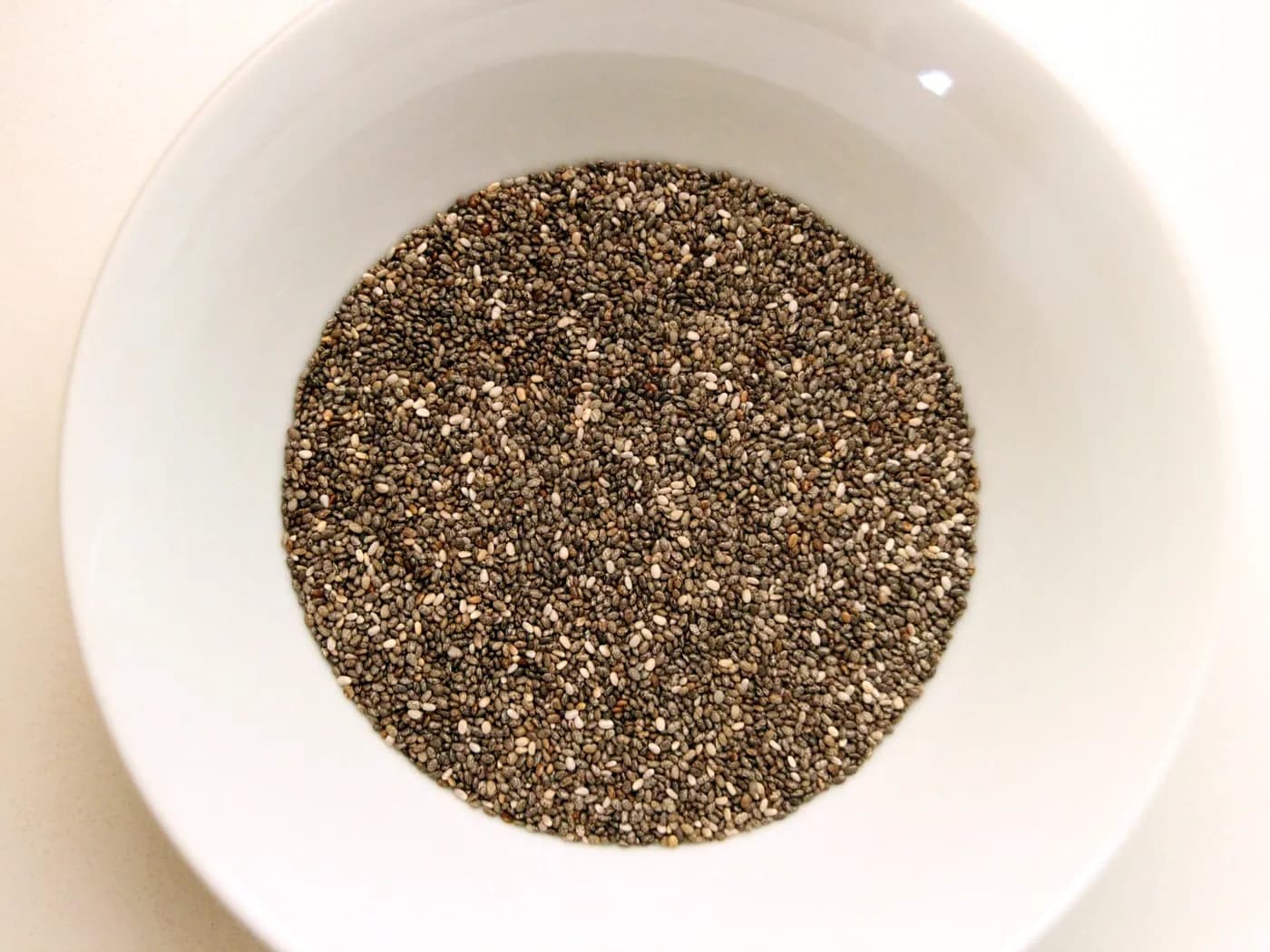
Photo: NMGiovannucci, CC BY-SA 4.0, via Wikimedia Commons
Realistic expectations and cautions
Chia seeds for constipation work best as a supportive fibre source, not a substitute for adequate water intake, movement, or addressing an underlying cause of chronic constipation. Increase your overall water intake through the day when adding chia seeds to your diet — soluble fibre needs fluid to do its job, both in the glass you soak it in and in your body afterward. If constipation persists beyond a couple of weeks despite fibre and hydration, or is accompanied by pain or other symptoms, that’s worth a doctor’s opinion rather than relying only on home remedies. For a broader look at eating for digestion, see our gut health diet guide.
Who Should Be Cautious With Chia Seeds for Constipation
Chia seeds are safe for most people, but a few groups should be more careful before relying on them:
- People with swallowing difficulties — dry or under-soaked chia seeds can form a mass that’s uncomfortable or risky to swallow; sticking to well-soaked, gel-like chia is essential here
- People with a history of bowel obstruction or strictures — high-fibre additions like chia seeds for constipation can worsen symptoms if the gut is already narrowed; check with a doctor first
- Anyone on blood thinners — chia seeds contain a small amount of vitamin K and omega-3s, which can interact with certain medications at high daily amounts
- People with a chia or sesame-family seed allergy — though uncommon, allergic reactions to chia do occur and should rule out this remedy entirely
Myths vs Facts About Chia Seeds for Constipation
- Myth: More chia seeds work faster. Fact: doubling or tripling the amount doesn’t speed up results and can cause bloating; 1-2 tablespoons daily is the effective, safe range for chia seeds for constipation.
- Myth: Chia seeds cure chronic constipation on their own. Fact: they’re a supportive fibre source, not a stand-alone cure, especially when an underlying condition is driving the problem.
- Myth: Any liquid works equally well for soaking. Fact: water, milk, or plant milk all work, but the soak time — not the liquid choice — is what actually matters for chia seeds for constipation.
Frequently Asked Questions
Related Articles

How to Relieve Constipation: 7 Natural Methods That Actually Work
Diet, hydration, movement, and specific yoga poses address the root causes of both occasional and chronic constipation. See 7 natural methods that

Healthy fats: why your body needs fat
Healthy fats help your body absorb vitamins and support brain, hormones, joints, cells and daily meals. Learn simple vegetarian sources and habits.
