
Cucumber Benefits: Nutrition, Hydration, Uses and Safety
Cucumber is mostly water and provides small amounts of fibre and micronutrients, adding crunch and volume to meals. Learn easy everyday uses.
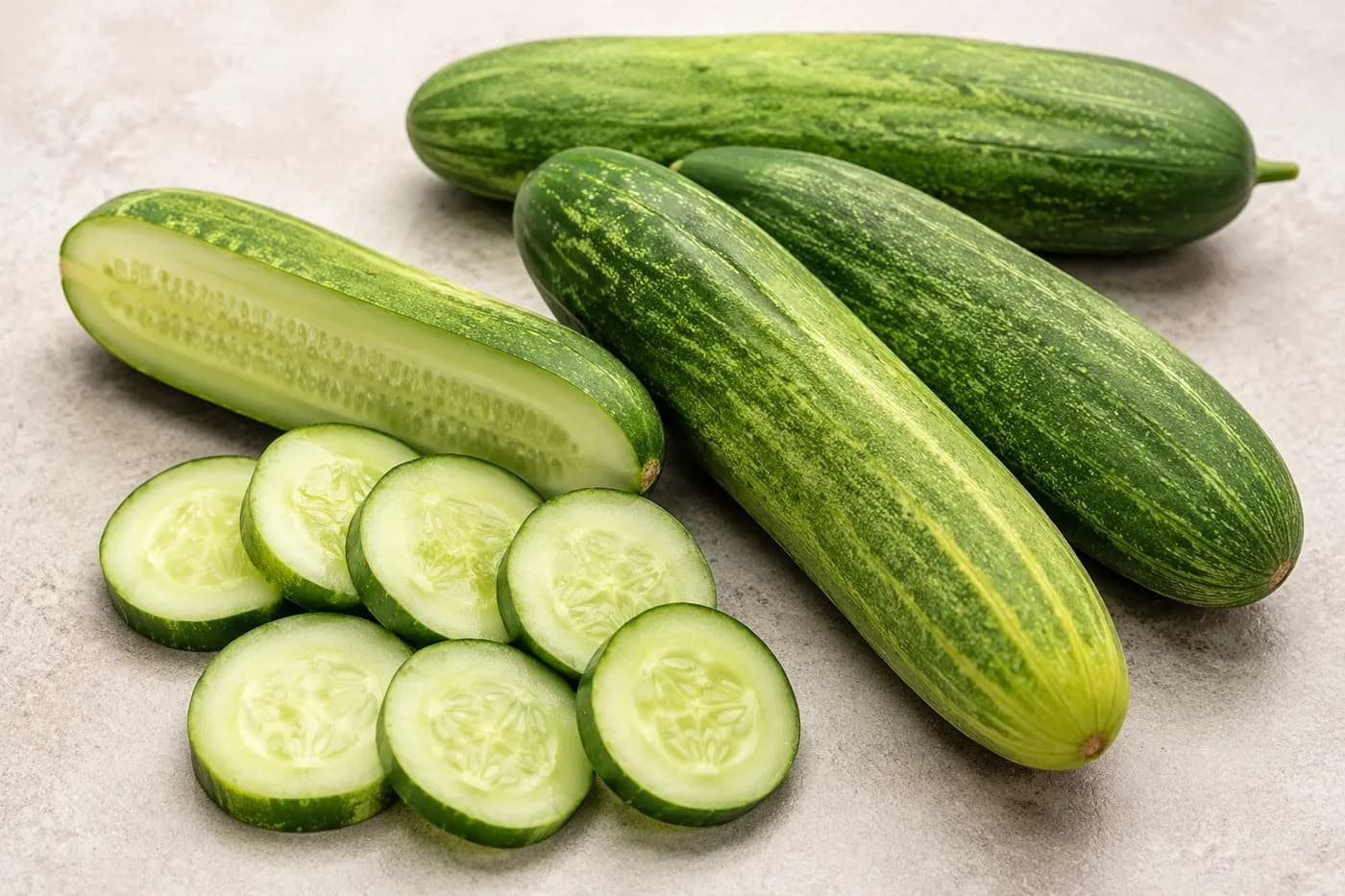
Key Takeaways
- Cucumber has a high water content and can contribute to daily fluid intake.
- Eating it with the peel generally provides more fibre than removing the peel.
- It can add volume and crunch to meals without contributing many calories.
- Cucumber juice contains less fibre than the whole vegetable.
- A very bitter cucumber should not be eaten.
- People with digestive sensitivity may need to adjust the portion or preparation.
Cucumber, or kheera, is a refreshing food commonly added to salads, raita, sandwiches and infused water. It contains plenty of water and provides small amounts of fibre, vitamins and minerals.
Most cucumber benefits come from adding a hydrating, low-calorie vegetable to balanced meals. It can support variety and fullness, but it cannot detoxify the body, melt fat or replace adequate fluid intake.
Cucumber nutrition
A cucumber consists mainly of water. It also provides small amounts of carbohydrate, fibre, vitamin K, potassium and other micronutrients. The exact nutritional value varies according to the variety, size and whether the peel is eaten.
Because a typical portion is light, it should not be treated as a major source of protein, iron or calcium. A meal containing only cucumber and other raw vegetables may not be nutritionally complete.
Combine it with dal, beans, tofu, paneer, curd or another protein-rich food. Habuild’s guide to protein-rich vegetarian foods offers practical options for completing the meal.
Possible cucumber benefits
Supports hydration
Its high water content can contribute to total fluid intake, especially during hot weather. Fresh slices, salads and raita may make a meal feel more refreshing.
However, food does not replace the need to drink water. Requirements differ according to body size, activity, climate, pregnancy, breastfeeding and health conditions.
People who have been advised to restrict fluid because of kidney, heart or liver disease should follow their clinician’s recommendations instead of deliberately increasing water-rich foods.
Adds volume to meals
Cucumber provides considerable volume for relatively few calories. Adding it to a sandwich, salad or snack plate can make the portion look and feel more substantial.
This may support weight-management efforts when it replaces some energy-dense additions. However, cucumber benefits do not include targeted fat loss. Weight changes depend on the complete eating pattern, activity, sleep, health and other factors.
A salad covered in creamy dressing, fried toppings or large amounts of cheese can still be energy-dense. Consider the complete dish rather than judging it by one ingredient.
Provides some fibre
Eating the vegetable with its peel provides more fibre than consuming only the inner flesh. Fibre supports bowel regularity and contributes to a varied diet.
The amount in one serving is modest, so it should be combined with fruit, pulses, vegetables and whole grains. Habuild’s high-fibre foods guide explains how to increase fibre gradually.
Some people experience gas or abdominal discomfort after eating a large raw portion. Starting with a smaller amount or trying it peeled may improve tolerance.
Offers vitamins and plant compounds
The peel and flesh contain micronutrients and plant compounds, including small amounts of vitamin K. These nutrients contribute to the diet but should not be used to market cucumber as a disease-preventing remedy.
Eating different coloured vegetables is more useful than depending on a single food. Include leafy greens, gourds, carrots, tomatoes, beans and seasonal produce across the week.
Helps make meals refreshing
Crunch, moisture and a mild flavour are among the most practical cucumber benefits. These qualities can make salads, wraps, curd dishes and snack plates more enjoyable.
Adding vegetables in an appealing form may help people eat them more consistently. This practical effect is more realistic than expecting one ingredient to transform health.
Should you eat cucumber with the peel?
The peel is edible and contributes additional fibre and plant compounds. Wash the surface thoroughly under clean running water before cutting.
Peeling may be useful when:
- The skin is particularly thick or damaged.
- The vegetable has a waxed surface that cannot be cleaned properly.
- Raw peel repeatedly causes digestive discomfort.
- A recipe requires a smoother texture.
Peeling does not make the food unhealthy. Choose the preparation that suits your tolerance while maintaining variety elsewhere in the diet.
Do not wash produce with soap, bleach or household disinfectant. These products are not designed for consumption and may leave unsafe residues.
Cucumber seeds: should they be removed?
The soft seeds found inside common varieties are edible. There is normally no health reason to remove them.
Large, mature vegetables may have firmer seeds and a watery centre. Scooping these out can improve the texture of raita, sandwiches or salads, but it is a culinary choice.
Claims that the seeds damage digestion or cause serious illness in healthy people are generally exaggerated. Personal tolerance matters more than a universal rule.
Healthy ways to eat cucumber
Simple vegetarian options include:
- Add slices to a mixed vegetable salad.
- Prepare cucumber raita using plain curd and roasted cumin.
- Combine chopped pieces with chana or moong salad.
- Add thin slices to a paneer or tofu sandwich.
- Serve sticks with hummus or a curd-based dip.
- Mix grated kheera with vegetables in a wrap.
- Add it to lemon water for flavour.
- Pair it with tomato, sprouts and a protein source.
- Use it in a chilled soup prepared under hygienic conditions.
These ideas place the vegetable within a complete snack or meal to gain the best cucumber benefits. Habuild’s everyday diet and nutrition guide can help with overall meal balance.
Is cucumber raita healthy?
Raita combines the vegetable with curd, which contributes protein, calcium and other nutrients. It can be served with dal, sabzi, roti, rice or a millet-based meal.
The final nutritional value depends on the curd and additions. Large amounts of salt, boondi, sugar or packaged seasoning change the dish.
Use fresh curd, clean utensils and refrigerated ingredients. Do not leave raita at room temperature for extended periods, particularly during hot weather.
People who do not consume dairy may use an unsweetened fortified plant-based alternative, although its protein and nutrient content can differ from curd.
Cucumber water and juice
Adding a few slices to water can provide a mild flavour that encourages some people to drink more. The infusion does not contain all the nutrition of eating the vegetable.
Cucumber water does not remove toxins. The liver, kidneys, lungs and digestive system already perform the body’s waste-processing functions.
Juicing removes or reduces much of the fibre, depending on the method. Whole pieces or blended preparations that retain the pulp generally preserve more fibre.
A juice made only from this vegetable is also not a balanced breakfast. If consumed as part of a meal, include a suitable source of protein, fibre and energy.
Is it suitable for weight management?
Cucumber can be included in a weight-management diet because it provides water, crunch and volume with relatively little energy. It may be useful in salads, raita and snacks.
It does not burn fat or block calories from other foods. Eating it before a meal is optional and does not guarantee a smaller overall intake.
Sustainable weight management requires adequate nutrition and should not involve replacing complete meals with only salad or juice. Excessive restriction can cause fatigue, nutrient gaps, muscle loss and rebound eating.
Digestive discomfort
Some people report burping, bloating or abdominal discomfort after eating raw cucumber. Possible reasons include a large portion, sensitivity to the peel or seeds, rapid eating, or another ingredient in the meal.
You can try:
- Eating a smaller portion.
- Chewing slowly.
- Removing the thick peel.
- Scooping out mature seeds.
- Avoiding heavily spiced or creamy dressings.
- Recording other foods eaten at the same time.
Persistent pain, vomiting, diarrhoea, blood in the stool or unexplained weight loss requires medical assessment.
When a cucumber tastes very bitter
Cucumbers naturally contain compounds called cucurbitacins. These are usually present at low levels, but occasionally a vegetable may taste unusually or intensely bitter.
Do not try to mask strong bitterness with salt, spices or cooking. Discard the entire vegetable because eating a highly bitter one may cause nausea, vomiting or stomach cramps.
A mildly different taste near the stem does not always indicate danger, but intense or unpleasant bitterness is a reason not to continue eating it.
Food safety and storage
Wash your hands before handling fresh produce. Rinse the whole vegetable under clean running water before slicing, even if you plan to peel it. Cutting can transfer contaminants from the surface to the inside.
Store whole cucumbers in the refrigerator according to the pack or seller’s guidance. Keep cut pieces in a clean covered container and use them promptly.
Discard the vegetable if it becomes slimy, mouldy, unusually soft or develops an unpleasant smell. Avoid eating cut produce that has remained unrefrigerated for several hours in hot conditions.
What cucumber benefits cannot do
Cucumber cannot detoxify the liver, cure diabetes, dissolve kidney stones or produce rapid weight loss. Applying slices to the skin may feel cooling, but it does not treat an underlying skin or eye condition.
Its realistic role is simple: it adds water, crunch, freshness and some fibre to meals. These cucumber benefits are useful without turning the vegetable into medicine.
Sources
Frequently Asked Questions
Related Articles
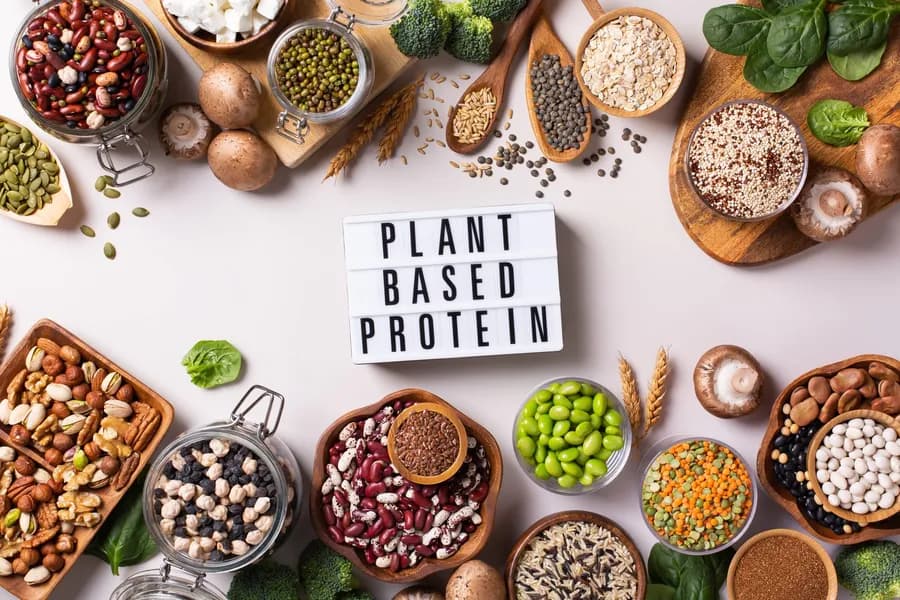
Protein-rich vegetarian foods: 1/4th plate habit
Explore protein, carbohydrates, healthy fats and meal planning for strength training, muscle building and recovery.


Healthy fats: why your body needs fat
Healthy fats help your body absorb vitamins and support brain, hormones, joints, cells and daily meals. Learn simple vegetarian sources and habits.