
Daily Water Intake: How Much Water Do You Actually Need?
The ‘drink 8 glasses a day’ rule is easy to remember, but it was never based on individual needs — your actual intake depends on body weight, activity.
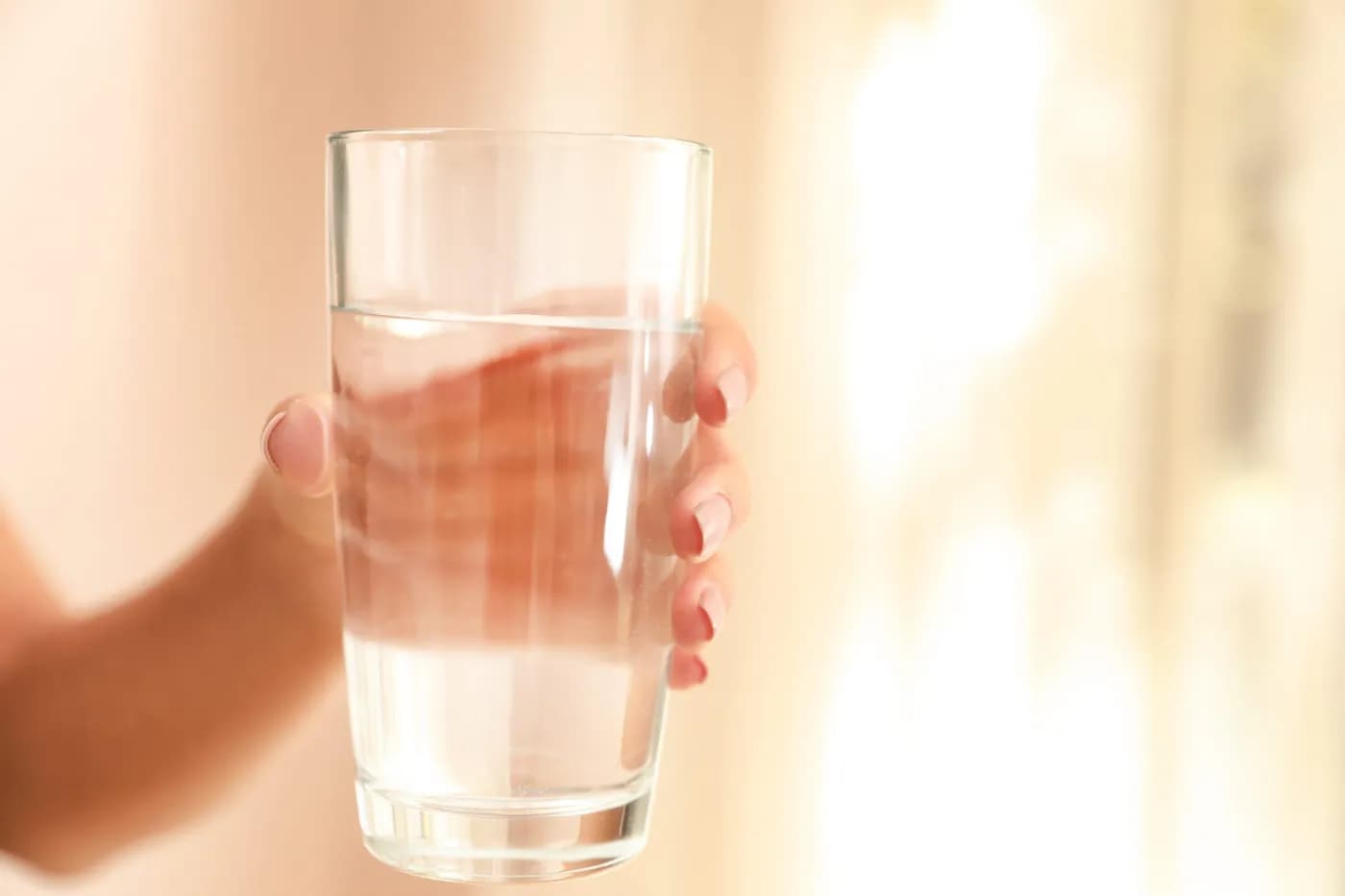
Key Takeaways
- The ‘8 glasses a day’ rule was never based on individual body weight or climate.
- A rough guide is 30-35 ml per kg of body weight from drinking water alone.
- Food itself can supply 20-30% of daily water needs through fruits, dals, and soups.
- An hour of intense exercise can mean an extra 500 ml-1 litre needed to replace sweat.
- Pale straw-coloured urine is a simple, practical sign of adequate hydration.
The right daily water intake isn’t a fixed number that applies to everyone — it depends on your body weight, activity level, climate, and even your diet. The popular “drink 8 glasses a day” rule is easy to remember, but it was never based on individual needs, which is why some people feel fine on less and others need considerably more. Understanding what actually drives your daily water intake matters far more than memorizing a number.
Daily Water Intake at a Glance
- General range: Most adults need roughly 2.5-3.5 litres of total fluid a day as a baseline for daily water intake, including water from food and beverages, not just plain water.
- Body-weight method: A rough starting point is 30-35 ml per kg of body weight — so a 60 kg person might aim for around 1.8-2.1 litres from drinking water alone.
- Climate matters: Hot, humid weather or heated indoor environments increase fluid loss through sweat, raising your needs.
- Activity matters: An hour of intense exercise can mean an extra 500 ml-1 litre of fluid to replace sweat losses.
- Food contributes too: Fruits, vegetables, dals, and soups can supply 20-30% of your daily water needs.
- Urine colour is a useful check: Pale straw-coloured urine generally signals adequate hydration; dark yellow suggests you need more fluids.
Why the “8 Glasses a Day” Rule Falls Short
The 8×8 rule — eight 8-ounce glasses, roughly 2 litres — is a reasonable rough guideline, but it treats a 45 kg office worker in a cool climate the same as a 90 kg construction worker in Chennai’s summer heat. It also ignores that food itself is a major water source. Watermelon, cucumber, oranges, and dal are all 80-95% water by weight, and a typical Indian meal with sabzi, dal, and curd can meaningfully add to your daily fluid total without a single extra glass. So if you’re relying on the 8-glass rule as a strict target, you might be over- or under-shooting what your body actually needs. This is exactly why daily water intake guidelines work better as ranges than as one-size-fits-all rules.
Photo: Jorge Barrios, Public Domain, via Wikimedia Commons
What Actually Determines Your Daily Water Intake
A few factors do far more to shape your real daily water intake requirement than any fixed number:
- Body weight: Larger bodies have more tissue to hydrate and typically need more total fluid.
- Climate and season: Humidity, heat, and altitude all increase fluid loss through sweat and respiration.
- Physical activity: Exercise, manual labour, or long commutes on foot increase sweat losses that need replacing.
- Diet composition: A diet high in fruits, vegetables, and soups requires less additional drinking water than one built around dry, packaged, or salty foods.
- Health conditions and medications: Fever, diarrhoea, pregnancy, breastfeeding, and certain medications (like diuretics) all change fluid needs, sometimes significantly.
- Caffeine and alcohol intake: Both have a mild diuretic effect, which can modestly increase how much water you need to stay balanced.
Diet composition is exactly why what you eat and drink matters as much as glasses counted — Electrolyte Rich Foods rounds out what a typical diet already contributes toward hydration, and Coconut Water Benefits looks at whether that specific drink is a genuinely useful add-on or just hype.
Signs You’re Getting Enough (or Not Enough)
Rather than counting glasses, your body gives fairly reliable feedback about whether your daily water intake is adequate:
- Urine colour: Pale yellow is the simplest daily indicator of adequate hydration; noticeably dark urine most of the day suggests you need more fluids.
- Thirst: For most healthy adults, drinking when thirsty is a reasonably good guide — thirst isn’t the unreliable signal it’s sometimes made out to be, except in older adults, whose thirst response can blunt with age.
- Energy and concentration: Mild dehydration (as little as 1-2% of body weight in fluid loss) can show up as fatigue or difficulty focusing before you consciously feel thirsty.
- Headaches: Recurring headaches, especially after exercise or heat exposure, can sometimes be linked to inadequate fluid intake.
- Frequency of urination: Needing to urinate roughly every 3-4 hours during the day, with pale output, is a reasonable sign of adequate intake.
A Practical Way to Set Your Own Target
Instead of chasing a universal number, start with your body weight (roughly 30-35 ml per kg) as a baseline, then adjust upward on hot days, workout days, or if you eat a lot of salty or dry food. Spread intake through the day rather than gulping large amounts at once, and let thirst and urine colour guide small adjustments. This approach to daily water intake is more sustainable than obsessing over an exact number every single day.
Frequently Asked Questions
Related Articles
Daily protein intake: why your body needs protein every day
Daily protein intake matters because your body uses protein every day for repair, recovery and daily function. Learn simple vegetarian protein habits.


10 Benefits of Daily Yoga | Habuild Yoga Everyday
Discover the top benefits of daily yoga for flexibility, weight loss, and mental health. Start your consistent practice today with Habuild — try free for.


Exercise at Home: Best Daily Exercises Without Equipment
The best home exercise programmes produce the same physical outcomes as gym training when progressive overload is applied correctly — no membership, no.