
Energy Giving Food for Balanced Everyday Meals
Food energy comes mainly from carbohydrates and fats, while protein supports tissue repair and can also provide energy.
Key Takeaways
- Carbohydrates are the body's main readily available fuel.
- Fats provide concentrated energy, while protein supports growth and repair.
- Regular balanced meals usually give steadier energy than sugary drinks.
- Persistent tiredness needs assessment rather than repeated energy products.
Food energy comes mainly from carbohydrates and fats, while protein supports tissue repair and can also provide energy. Feeling energetic, however, depends on more than calories: meal timing, sleep, hydration, iron status, illness and activity all matter. This guide explains how to choose energy giving food without relying on sugar, stimulants or exaggerated claims.
What food energy means
Energy in food is measured in kilocalories. Carbohydrate and protein provide about four kilocalories per gram, while fat provides about nine. Alcohol also provides energy but is not a nutrient the body needs. Vitamins and minerals support metabolism, yet they do not supply calories themselves.
Calling one item an energy giving food can hide the bigger picture. Rice, roti, fruit, oils, nuts and many other foods provide energy in different forms. The best choice depends on appetite, activity, health goals and what else is on the plate.
Carbohydrates for everyday fuel
Whole grains, millets, potatoes, fruit, beans and milk provide carbohydrate along with varying amounts of fibre and nutrients. Carbohydrate is broken down into glucose, which fuels the brain and working muscles. Fibre-rich choices usually digest more slowly than juice, sweets or refined snacks.
There is no need to fear all carbohydrates. A practical meal may include rice or roti with dal, vegetables and curd. The combination adds protein, fibre and volume. People with diabetes may need individual portions and medicine coordination, but complete avoidance is rarely the only option.
Protein and fat make meals more satisfying
Dal, beans, soy foods, dairy, eggs and other suitable protein sources support muscles and repair. Protein at meals can also improve satisfaction. Nuts, seeds, groundnut, olive or mustard oil and other unsaturated fats provide concentrated energy and help absorb fat-soluble vitamins.
Because fats are energy-dense, a moderate amount can add nourishment without making portions very large. This is useful for people with small appetites, but it can also raise total energy quickly. An energy giving food should be chosen in context rather than labelled good or bad by calories alone.
Building a plate for steadier energy
Start with a grain or starchy food, add a suitable protein source and include vegetables or fruit. A breakfast might be vegetable poha with peanuts, oats with milk and fruit, besan chilla with curd, or eggs with roti and vegetables. The details can match culture, budget and schedule.
Long gaps may leave some people weak or overly hungry. Others feel comfortable with fewer meals. Use regular patterns that suit symptoms and medicines. Carrying fruit with nuts, roasted chana or curd can be more sustaining than a sweet drink that gives a quick rise followed by renewed hunger.
Before and after exercise
A light carbohydrate-rich snack before exercise may help when the last meal was several hours earlier. Banana, toast, poha or fruit can work depending on tolerance. After training, combine carbohydrate with protein, such as curd and fruit, dal and rice, or tofu with roti, to support recovery.
Sports drinks and gels are designed for specific situations and are unnecessary for many short, moderate sessions. Water and normal meals are often enough. Athletes with long-duration training, heavy sweating or competition goals need an individual plan rather than copying an influencer's energy giving food list.
Sugar, caffeine and energy products
Sugary foods provide energy but little staying power when eaten alone. They can fit occasionally, yet they should not become the main answer to tiredness. Energy drinks add caffeine and sometimes several stimulants; they may cause poor sleep, anxiety, palpitations or a cycle of relying on more caffeine the next day.
A vitamin drink does not create energy unless it corrects a real deficiency or adds calories. Read labels for sugar, caffeine and serving size. Do not mix energy drinks with alcohol, and keep stimulant products away from children. More alertness is not the same as better nutrition.
When tiredness is not about food
Persistent fatigue can relate to anaemia, thyroid problems, infection, sleep apnoea, depression, medicine effects or many other causes. Warning signs include breathlessness, fainting, chest pain, bleeding, unexplained weight change or severe weakness. These need medical review.
For everyday tiredness, first check sleep, hydration, meal regularity and workload. Then adjust one habit and observe the pattern. The most useful energy giving food is often an ordinary balanced meal eaten reliably, not a powder or a promise of instant performance.
Simple, budget-friendly meals for steady fuel
Budget-friendly meals can provide steady fuel without specialist products. Rice and dal, roti with chana, vegetable khichdi, curd rice with vegetables or peanut poha combine familiar ingredients. Batch-cooking a grain or pulse can reduce missed meals.
Energy needs are not fixed. Growth, pregnancy, illness recovery, manual work and endurance training may increase them, while appetite can fall during stress or sickness. Older adults may need nutrient-dense meals even when total portions are small. Adjust the plate rather than forcing one standard serving. If unintentional weight loss, poor appetite or weakness continues, seek professional assessment.
Planning for school and office days
Plan the next meal before hunger becomes urgent: pack leftovers safely, keep roasted chana or nuts available, or choose a simple canteen combination such as rice, dal and vegetables. Consistency usually matters more than a fashionable ingredient.
Refrigerate perishable packed food and reheat leftovers thoroughly. Food safety supports energy too, because a contaminated meal can cause vomiting, diarrhoea and dehydration. Regular grocery planning can also prevent skipped meals during busy weeks.
Editorial sources
Frequently Asked Questions
Related Articles
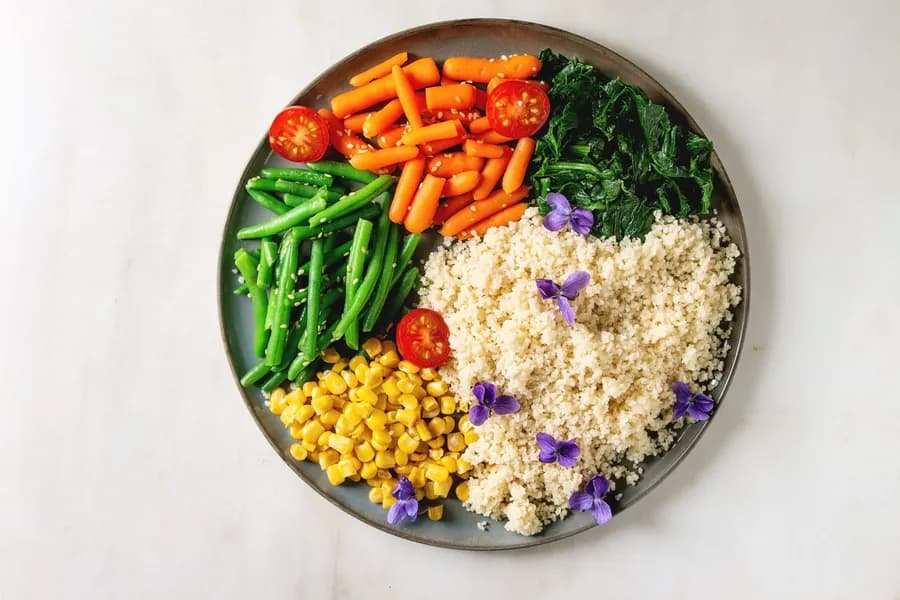
Carbohydrate-Rich Foods: Quality, Portions and Meal Balance
Carbohydrates are the body’s main readily available energy source, from fibre-rich whole grains and pulses to refined sweets.

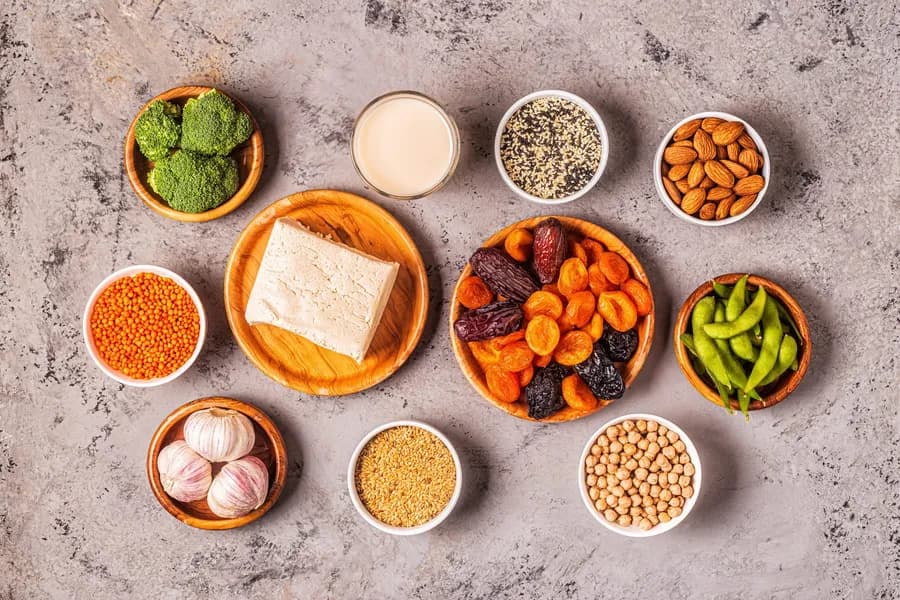
Protein rich foods: how protein helps recovery
Protein-rich foods play a direct role in recovery — repair, energy, and staying full. See simple, everyday Indian foods that help you get enough.
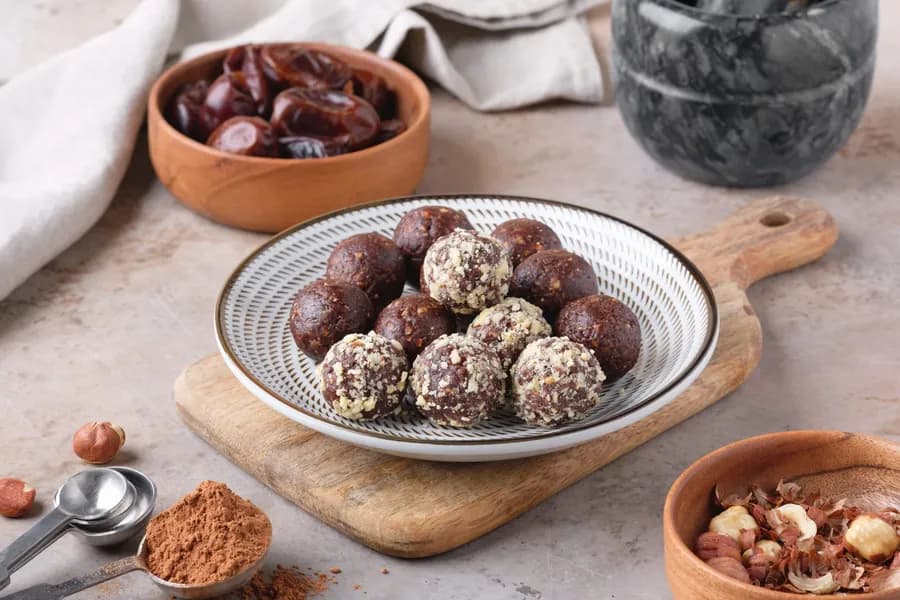
Date and Nut Energy Bites: Healthy Snacks Recipe
Make date and nut energy bites with dates, almonds or walnuts and sesame seeds. A simple no-bake healthy snack for sweet cravings and evening hunger.