
Fat Loss Diet Plan: A Simple, Sustainable Guide to Eating Well
A good fat loss diet plan isn’t about eating less of everything — it’s about eating the right things consistently. See a simple, no-gimmicks breakdown of.

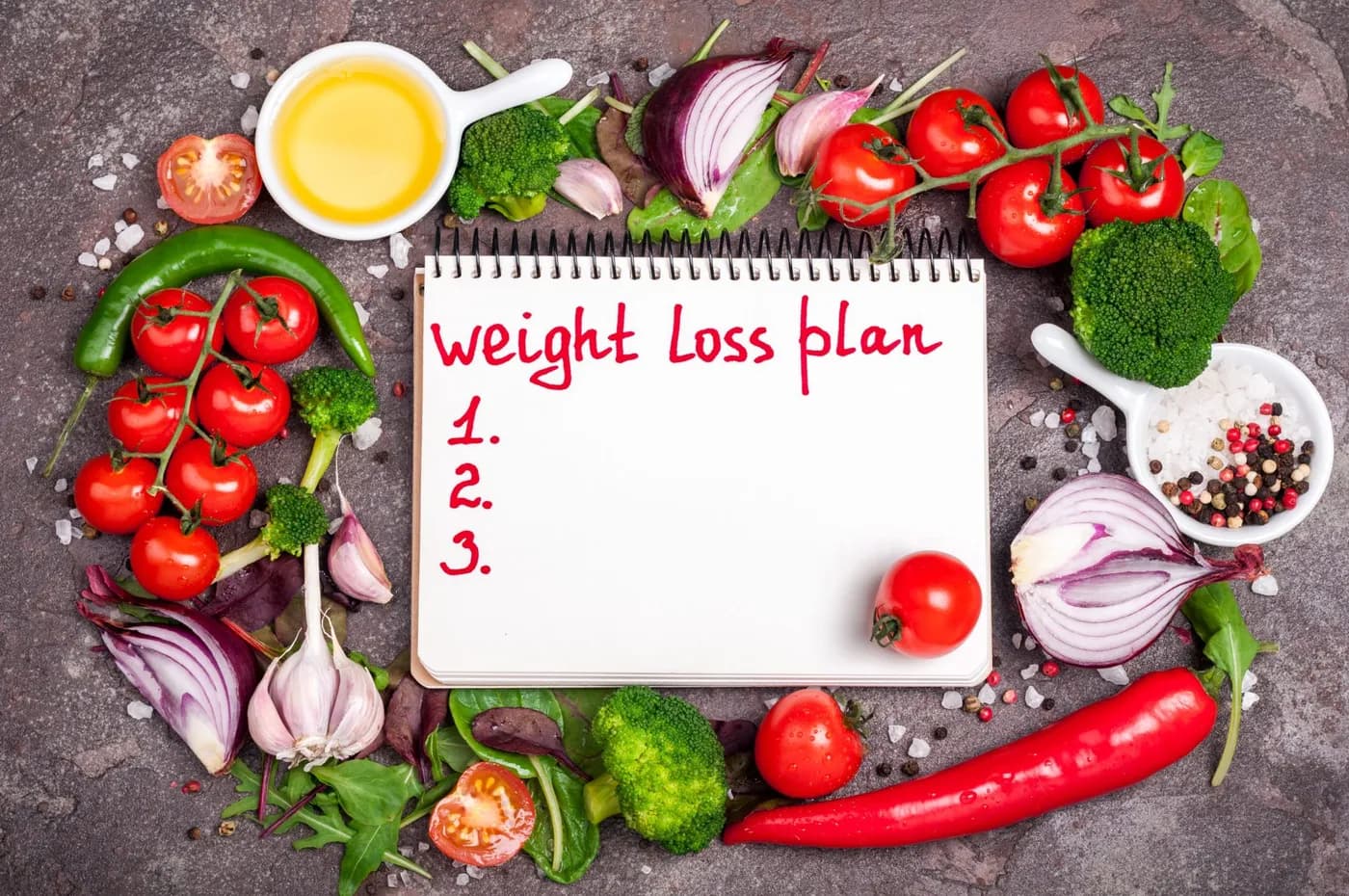
Key Takeaways
- Works through a mild calorie deficit, not drastic cuts or eliminating food groups.
- Protein at every meal helps keep you full and protects muscle during the deficit.
- Spot reduction isn’t real – belly fat responds to the same full-body approach as elsewhere.
- 2.5-3 litres of water daily supports digestion and often reduces unnecessary snacking.
- Consistency across most days beats perfection on just a few.
A good fat loss diet plan isn’t about eating less of everything — it’s about eating the right things consistently, so your body has what it needs while gently using stored energy for fuel. Here’s a simple, no-gimmicks breakdown of what actually works, day to day.
What Does a Fat Loss Diet Plan Actually Look Like?
At its core, this kind of plan comes down to a few repeatable habits, not a rigid rulebook:
- A mild calorie deficit — eating slightly less energy than your body uses, not a drastic cut
- Protein at every meal — dals, paneer, curd, soy chunks, or sprouts to keep you full and protect muscle
- Fibre-rich vegetables and whole grains — they slow digestion and keep energy steady through the day
- Enough water — 2.5–3 litres daily helps digestion and often reduces unnecessary snacking
- Consistent meal timing — three balanced meals rather than skipping and overeating later
None of this requires extreme restriction — just making your plate work for you, meal after meal. That’s really what a fat loss diet plan comes down to: small, repeatable habits rather than rules you can’t sustain.
Building a Fat Loss Diet Plan for Men and Everyday Routines
For male bodies, this usually means slightly more total food, since men generally carry more muscle mass and need more energy — but the principles are identical. A diet plan to reduce weight for men might look like this across a day:
- Morning: Soaked nuts, poha or oats with vegetables, and a moong chilla or paneer bhurji
- Midday: Two rotis, a bowl of dal, a vegetable sabzi, and curd
- Evening snack: Roasted chana, a fruit, or buttermilk
- Dinner: Vegetable soup, grilled paneer or soy chunks, and a small portion of rice or roti
Portion sizes matter more than eliminating entire food groups. Consistency across most days beats perfection on a few. Whatever your goal, a fat loss diet plan built around these portions works better long-term than any restrictive shortcut.
Drinks and Foods That Support Fat Loss (Without Shortcuts)
There’s no single food that melts fat, but some drinks to lose belly fat and everyday foods do support the process by keeping you full and aiding digestion:
- Warm water with lemon or jeera water first thing in the morning aids digestion
- Green tea or black coffee (unsweetened) can gently support metabolism
- Buttermilk (chaas) after meals aids digestion and reduces bloating
- High-fibre foods like oats, leafy greens, and legumes work as fat burner food for belly comfort because they reduce bloating and keep you satisfied longer
- Curd and fermented foods support gut health, which plays a real role in digestion
None of these are magic on their own, but they support the same fat loss diet plan fundamentals: consistency, hydration, and fibre. If your goal is a diet to lose abdominal fat specifically, remember that spot reduction isn’t how bodies work — belly fat responds to the same full-body approach as fat stored anywhere else, combined with regular movement.
If you’re building this plate around plants specifically, our vegetarian weight loss diet plan walks through the same fundamentals tailored to that eating style, and pairing it with a solid list of high-protein vegetarian foods makes it easier to keep protein up while in a deficit — our daily protein requirement guide can help you work out exactly how much you need.
Photo: Suyash Dwivedi, CC BY-SA 4.0, via Wikimedia Commons
Common Mistakes to Avoid
Most people slip up in the same few ways, whatever fat loss diet plan they’re following:
- Cutting out entire meals — this often backfires into overeating later
- Relying on “detox” drinks or fat-burner supplements — real food does the work
- Ignoring sleep and stress — both affect hunger hormones more than people realise
- Chasing quick results — sustainable change happens over weeks, not days
Healthy meal ideas for weight loss don’t need to be complicated: dal-chawal with vegetables and curd is a perfectly balanced, effective meal when portioned well.
What to Do When Your Fat Loss Diet Plan Stalls
A plateau is one of the most common reasons people abandon a fat loss diet plan that was actually working. Weight often stalls for 1-2 weeks even on a solid plan simply due to water retention, hormonal shifts, or a slightly looser week — this isn’t a sign to overhaul everything. If the scale hasn’t moved in 3-4 consistent weeks, first check whether portion sizes have crept up gradually, since this happens to almost everyone over time. Small adjustments — cutting 100-150 calories, adding a short daily walk, or tightening up weekend meals specifically — are usually enough to get a fat loss diet plan moving again, rather than switching to a completely different or more restrictive approach.
Adjusting a Fat Loss Diet Plan for Women
The same fundamentals apply, but a fat loss diet plan for women often needs slightly fewer total calories than the male version above, since women generally carry less muscle mass and have a lower baseline energy need — though the gap is smaller than most people assume, often just 200-300 calories. Iron-rich foods like dal, spinach, and jaggery deserve extra attention, since women’s iron needs are higher and low iron can worsen fatigue during a calorie deficit. Hormonal cycles can also cause natural weight fluctuations of 1-2kg through the month, which isn’t fat gain and shouldn’t derail a fat loss diet plan that’s otherwise on track.
Frequently Asked Questions
Related Articles
Does Lifting Weights Burn Belly Fat? Here’s How
Weight training changes how your body stores and uses fat over time, not just how many calories you burn in a single session. See the science, exercises.

Yoga for Weight Loss for Women: Poses, Routine & Tips That Actually Work
Dynamic poses, breathwork, and mindfulness support gradual, sustainable weight management — no gym, equipment, or prior fitness experience needed. See.
Does Yoga Reduce Belly Fat? What Actually Works
Not through spot reduction, but by strengthening the core, lowering cortisol, and improving digestion — yoga can meaningfully support fat loss around the.