Green Tea Detox: What It Actually Does for Your Body
Green tea won’t purge anything from your body — your liver and kidneys already handle detoxification on their own. See what green tea actually does, and.

Key Takeaways
- Your liver and kidneys already detoxify around the clock – green tea doesn’t speed that up.
- Catechins like EGCG act as antioxidants, not as toxin-flushing agents.
- Green tea plus its caffeine may boost calorie burn by roughly 3-4%, not dramatically.
- Has less caffeine than coffee, but still adds up across several cups a day.
- Best treated as a supporting habit alongside water, fibre, and sleep – not a cleanse.
The phrase “green tea detox” shows up everywhere, promising to flush toxins and reset your system in a few cups. The honest picture is less dramatic but more useful: green tea won’t purge anything from your body, yet it does offer real, well-studied benefits worth understanding.
Does Green Tea Detox Your Body? Here’s the Real Mechanism
No — your liver and kidneys already handle detoxification around the clock, filtering blood and breaking down waste whether or not you drink tea. Nothing in green tea speeds that process up or “flushes” anything extra out. What green tea does contain is a group of plant compounds called catechins, the most studied being EGCG (epigallocatechin gallate), which act as antioxidants in your body. This is likely where the reputation comes from — antioxidants get lumped in with “cleansing” language in marketing, even though their actual job is neutralizing free radicals, not removing toxins.
The Real Benefit Behind Green Tea Detox Claims
Catechins have genuine research behind them. Studies link them to modest reductions in oxidative stress, support for heart health markers, and a small, temporary boost to metabolism through a process called thermogenesis. Some research shows green tea combined with its natural caffeine can slightly increase calorie burn over a day — typically in the range of 3-4%, not the dramatic fat-loss effect often implied. It’s a helpful nudge alongside a balanced diet and regular movement, not a substitute for either.
Caffeine Caution: How Much Green Tea Is Reasonable
Anyone chasing a green tea detox routine should also pay attention to caffeine, not just catechins. Green tea has less caffeine than coffee, roughly 20-45mg per cup versus 80-100mg, but it still adds up if you’re having several cups plus coffee or cola through the day. Too much can mean jitteriness, disrupted sleep, or an upset stomach, especially on an empty stomach where the tannins can also irritate digestion. For most healthy adults, 2-3 cups a day is a reasonable, sustainable amount. If you’re pregnant, sensitive to caffeine, or prone to anxiety, keep it to a cup or skip it and check with your doctor.
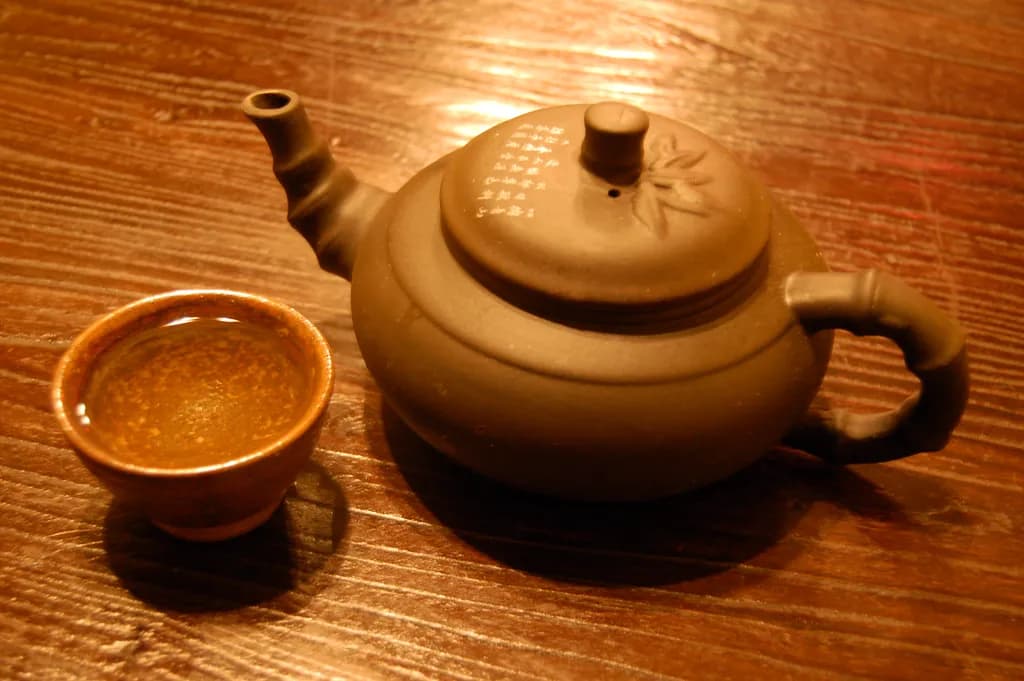
Photo: Douglas P Perkins, CC BY 3.0, via Wikimedia Commons
What a Realistic Green Tea Detox Routine Looks Like
Think of it as a supporting habit, not a cleanse. Have it between meals rather than first thing on an empty stomach, skip the sugar and added “detox” powders that dilute its actual benefits, and pair it with plenty of plain water, fiber-rich meals, and sleep — the things that genuinely support how your body processes and clears waste every day.
If you’re curious how other popular “detox” habits hold up to the same scrutiny, detox water for glowing skin gets weighed against the evidence in much the same way, and so do detox foot patches — both worth a look if you’re trying to separate genuine benefit from marketing.
Myths vs Facts About Green Tea Detox
Separating what’s true from what’s marketing hype makes it much easier to use green tea sensibly, instead of expecting it to do something it simply can’t.
- Myth: A green tea detox flushes toxins out of your system overnight. Fact: your liver and kidneys handle that continuously; tea supports the process, it doesn’t speed it up.
- Myth: More cups mean more detoxing. Fact: beyond 3-4 cups a day you’re mostly adding caffeine, not extra benefit — a green tea detox works on consistency, not volume.
- Myth: Green tea burns fat directly. Fact: the catechins and caffeine give a small metabolic nudge, useful alongside a balanced diet, not a stand-alone fat-loss tool.
- Myth: Bottled or flavoured “detox” green teas are just as good. Fact: many contain added sugar or very little actual tea, which works against the benefits a proper green tea detox routine is meant to offer.
Common Mistakes People Make With a Green Tea Detox Routine
A few habits quietly undercut an otherwise reasonable green tea detox habit:
- Brewing it too long or too hot — this pulls out excess tannins, making the tea bitter and harder on digestion, without adding any extra benefit.
- Drinking it right after a meal — this can reduce iron absorption from food, so it’s better spaced 30-60 minutes away from meals.
- Relying on it to offset a poor diet — no amount of a green tea detox habit compensates for a diet that’s otherwise high in processed food and sugar.
- Ignoring how late in the day you drink it — the caffeine in an evening cup can quietly disrupt sleep, undoing much of the benefit you were chasing in the first place.
Who Should Be Cautious With Green Tea
Most healthy adults can enjoy a daily green tea habit without any concern, but a few groups should be more careful. If you have iron-deficiency anemia, drinking it around meals can reduce how much iron you absorb from food. People with acid reflux or a sensitive stomach may find it worsens symptoms on an empty stomach. Anyone on blood thinners, thyroid medication, or with a known caffeine sensitivity should check with a doctor before making it a daily routine, since even the moderate caffeine in green tea can interact with certain medications or heighten anxiety in sensitive individuals.
Frequently Asked Questions
Related Articles

Chamomile Tea for Sleep: Does It Really Work?
Chamomile tea for sleep has more real evidence behind it than most bedtime folk remedies — but it's a mild aid, not a sedative. See how it compares to warm milk and valerian root.

How to Detox Body Naturally — the Honest Truth about What Actually Supports Your Liver and Kidneys
The liver, kidneys, lungs, lymphatic system, gut, and skin already remove toxins continuously — no special tea or 7-day cleanse required. See what genuinely supports that system.

Body Detox Kaise Kare | शरीर को डिटॉक्स करने के तरीके
Body detox kaise kare? जानें शरीर को अंदर से साफ करने के सरल व्यायाम, आदतें और रोज़ाना की दिनचर्या जो आपको धीरे-धीरे बेहतर महसूस कराए।