
Healthy Fruits: How to Choose Variety, Portions and Seasonal Options
All whole fruits can contribute water, fibre, vitamins and plant compounds. The healthiest choice is usually a varied, affordable pattern.

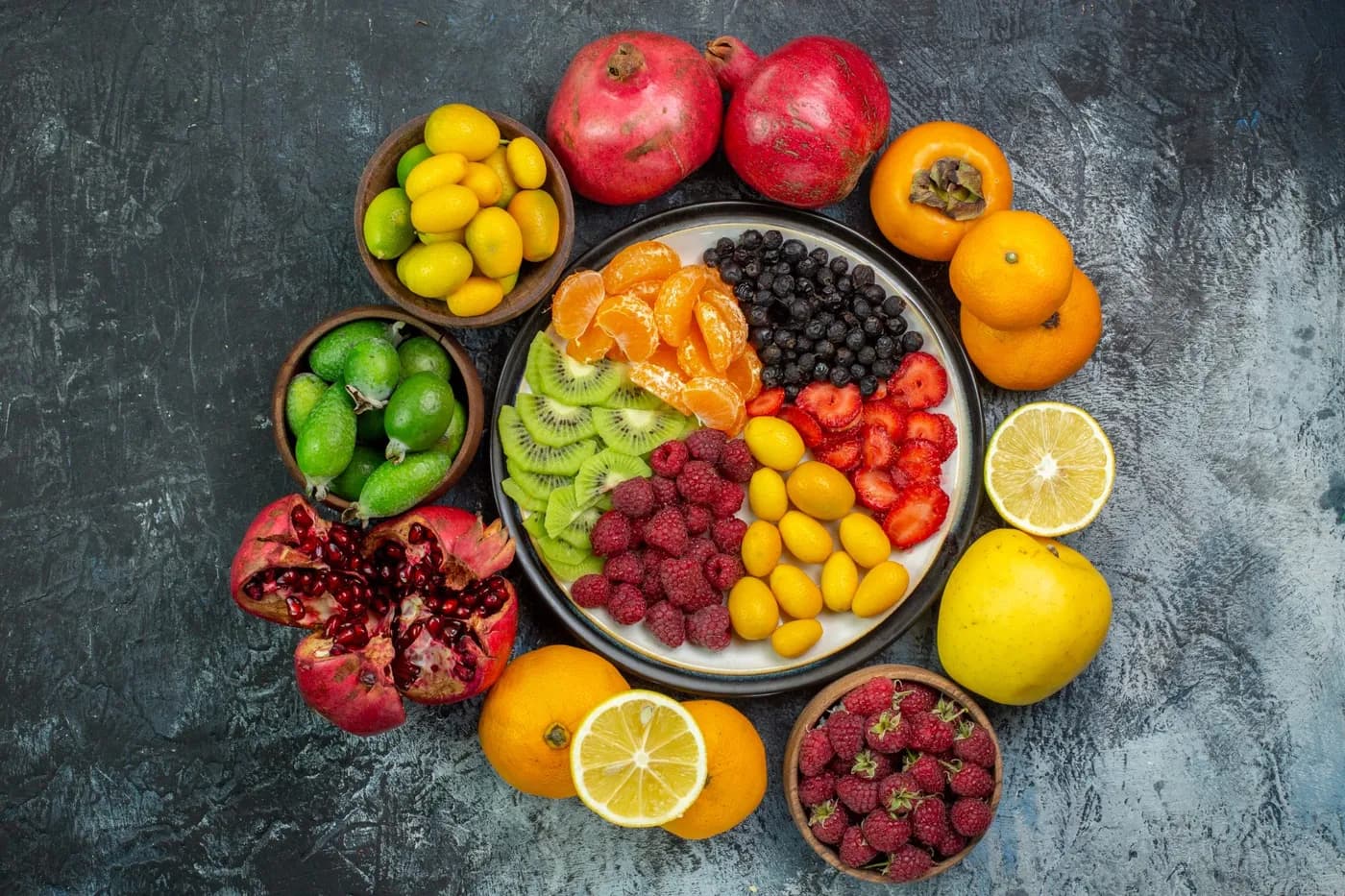
Key Takeaways
- No single fruit provides every nutrient.
- Whole fruit generally retains more fibre than juice.
- Seasonal and locally available varieties can be nutritious and affordable.
- Fresh and frozen options can both fit a healthy diet.
- Dried fruit is concentrated, so smaller portions are appropriate.
- People with diabetes usually do not need to avoid all fruit.
- Grapefruit and related fruits may interact with certain medicines.
Healthy fruits provide carbohydrate, fibre, water, vitamins, minerals and plant compounds. Eating different types across the week is generally more useful than searching for one “best” fruit.
Fresh, frozen, canned and dried options can all fit a balanced vegetarian diet. The appropriate type and portion depend on appetite, activity, health needs and the rest of the meal.
What makes fruits healthy?
Fruits provide natural carbohydrate along with varying amounts of fibre, water, vitamins, minerals and plant compounds.
Citrus fruits and guava are known for vitamin C. Mango, papaya and watermelon provide carotenoids. Bananas contribute potassium, while berries contain different polyphenols.
These examples do not make one variety superior to every other. Choosing healthy fruits in different colours, textures and seasons helps broaden nutrient intake.
Fruit should be one part of the diet rather than its only plant-food category. Vegetables, pulses, whole grains, nuts and seeds provide nutrients that fruit may contain only in small amounts.
Why variety matters
Different fruits have different nutritional profiles. Repeatedly eating only apples or bananas may be convenient, but rotating varieties can provide a broader range of nutrients and flavours.
A practical weekly selection might include:
- A citrus fruit such as orange or mosambi
- A vitamin C-rich option such as guava or amla
- A yellow or orange fruit such as papaya or mango
- A potassium-containing option such as banana
- A water-rich choice such as watermelon or muskmelon
- A seasonal local fruit such as jamun, ber, litchi or custard apple
You do not need to eat all these in one day. Choose two or three available options and vary them over time.
Possible benefits of healthy fruits
Fibre and digestive health
Whole fruits contribute soluble and insoluble fibre. Fibre supports regular bowel movements and provides nourishment for some beneficial gut bacteria.
The amount varies by type and preparation. Eating an apple or pear with its edible peel generally supplies more fibre than drinking strained juice.
Increase fibre gradually if your current intake is low. A sudden increase may cause gas, bloating or cramps. Habuild’s high-fibre foods guide explains how to increase it through varied vegetarian foods.
Vitamins and minerals
Healthy fruits contribute nutrients such as vitamin C, folate and potassium. The amount depends on the variety, ripeness, storage and portion.
No fruit can correct every deficiency. Iron-deficiency anaemia, vitamin B12 deficiency and other conditions require proper assessment rather than treatment with fruit alone.
Vitamin C-rich options can be paired with plant sources of iron, such as dal, beans or leafy vegetables, to support absorption.
Hydration
Watermelon, muskmelon, oranges, strawberries and several other fruits contain considerable water. They can contribute to total fluid intake, particularly in warm weather.
However, water-rich foods do not replace drinking enough fluid. Individual requirements vary according to climate, activity, age, pregnancy and medical conditions.
Heart-friendly eating patterns
Dietary patterns containing fruits, vegetables, pulses, whole grains, nuts and seeds are associated with better cardiovascular health.
This does not mean that one fruit lowers cholesterol or prevents heart disease by itself. The complete eating pattern, movement, sleep, smoking status, blood pressure and prescribed treatment remain important.
Weight management
Whole fruits can add sweetness, water and fibre to snacks and meals. Replacing some sweets, biscuits or sugary drinks with fruit may reduce energy intake while improving nutritional quality.
Healthy fruits do not burn body fat. Large smoothie bowls, repeated glasses of juice and oversized portions of dried fruit can contribute more energy than expected.
Weight management should not require eliminating fruit or eating only fruit-based meals.
Whole fruit versus fruit juice
Whole fruit usually requires more chewing and retains more fibre than juice. It is also easier to consume several pieces of fruit quickly when they have been juiced.
A glass of juice may contain the carbohydrate from multiple fruits without producing the same fullness as eating them whole.
Juice does not become equivalent to whole fruit simply because it is freshly prepared or contains no added sugar. It may still fit occasionally, but whole options are more useful for regular consumption.
Fruit drinks, nectars and packaged beverages may contain added sugar, flavouring or relatively little fruit. Check the ingredient list rather than relying on pictures printed on the pack.
Fresh, frozen or canned fruit
Fresh fruit
Fresh fruit is convenient when it is available, affordable and ripe. It does not need to be imported or labelled as a superfood to be nutritious.
Inspect it for mould, leakage, deep damage or an unpleasant smell. Wash fresh produce under clean running water before cutting or eating.
Frozen fruit
Unsweetened frozen fruit can be a useful alternative when certain varieties are not in season. Freezing preserves the produce and many of its nutrients.
Use it in porridge, curd or cooked preparations. Keep it frozen according to the pack instructions and avoid repeated thawing and refreezing.
Canned fruit
Canned options can fit when fresh produce is unavailable. Choose fruit packed in water or its own juice more often than varieties stored in heavy syrup.
Draining syrup can reduce some added sugar, but it does not remove all of it. Check the ingredient list and serving size.
Dried fruit and portion size
Raisins, dates, figs, apricots and prunes contain useful nutrients, but removing water makes them more concentrated.
A small handful can provide carbohydrate and energy quickly. It is easier to eat the equivalent of several fresh fruits when they are dried.
Dried fruit can be added to oats, curd or a nut-and-seed mixture. It should not be treated as unlimited simply because it is natural.
Check packaged varieties for added sugar, salt, oil or coatings. People with dental concerns should also remember that sticky dried fruit can remain on the teeth.
How much fruit should you eat?
There is no single ideal portion for everyone. Needs vary according to age, body size, appetite, activity, pregnancy, health goals and the rest of the diet.
A practical portion may be:
- One medium apple, orange, pear or banana
- One cup of chopped papaya, melon or pineapple
- Two small fruits such as plums or mandarins
- A small bowl of berries
- A modest handful of grapes
- A smaller portion of dried fruit
These are flexible guides rather than strict rules. Children may need smaller servings, while highly active adults may require more food overall.
Avoid judging intake only by the number of pieces. One large mango and one small plum are not equivalent portions.
Are fruits suitable for diabetes?
People with diabetes usually do not need to avoid all fruit. Whole fruit can fit within an individual meal plan, but type, portion, preparation and accompanying foods matter.
Juice and dried fruit are easier to consume in concentrated amounts. Large portions may raise blood glucose more quickly than a moderate serving of whole fruit.
Pairing fruit with plain curd, nuts, seeds or another suitable food may make a snack more satisfying. However, this does not make the carbohydrate disappear.
Glucose responses differ. Follow the plan provided by your diabetes-care team and do not change medicine based on online food lists.
Is fruit sugar unhealthy?
Fruit contains naturally occurring sugars, but whole fruit also provides water, fibre and nutrients. It is not nutritionally equivalent to sweets or sugary drinks.
Problems are more likely when sweetened beverages, syrups, desserts and large quantities of juice add substantial free sugar to the diet.
There is usually no reason for a healthy person to fear a normal portion of whole fruit. Balance and variety are more useful than labelling natural foods as entirely good or bad.
When is the best time to eat fruit?
There is no universal best time. Fruit can be eaten with breakfast, between meals, with curd or as part of a meal.
Eating it after sunset does not automatically cause weight gain. Eating it on an empty stomach does not provide a special detoxifying effect.
Choose a time that suits appetite, digestion and routine. Someone who experiences reflux or discomfort after a large late-night meal may prefer an earlier or smaller serving.
How to choose seasonal fruits
Seasonal produce is often fresher, more available and more affordable. Availability varies across Indian regions and weather conditions.
Examples may include:
- Summer: mango, watermelon, muskmelon, litchi and jamun
- Monsoon: jamun, pear, plum and pomegranate
- Winter: oranges, guava, strawberries, apples and grapes
- Year-round or widely available: banana, papaya, coconut and some apple varieties
Season labels are approximate because harvest times differ by region. Choose produce based on local availability and quality rather than following a rigid calendar.
Imported varieties are not automatically healthier than local options. Guava, papaya, amla and seasonal citrus fruits can provide valuable nutrients at a lower cost.
How to build a balanced fruit snack
Fruit alone may not satisfy everyone for long. Adding protein or a suitable fat can make the snack more complete.
Vegetarian combinations include:
- Apple or pear with a small amount of peanut butter
- Banana with plain curd
- Papaya with chia or pumpkin seeds
- Berries with unsweetened fortified soy yoghurt
- Guava with roasted chana
- Fruit with a modest portion of nuts
- Chopped fruit mixed into oats
- Pomegranate added to a chana salad
Habuild’s protein-rich vegetarian foods guide provides additional meal and snack ideas.
Smoothies and fruit bowls
A smoothie can include fruit, milk, curd or a fortified plant-based drink. Retaining the pulp preserves more fibre than straining it.
However, smoothies are easy to consume quickly. Large servings containing several fruits, sweeteners, nut butter and protein powder may be more energy-dense than expected.
Build a reasonable serving and avoid adding sugar simply because the drink is described as healthy.
Fruit bowls also vary. A modest combination can be nutritious, while oversized portions with syrup, ice cream, sweetened granola or cream become a different dish.
Washing and storing fruit safely
Wash your hands before handling produce. Rinse whole fruits under clean running water before cutting, peeling or eating them.
Do not use soap, bleach or household disinfectants on produce. These products may leave residues and are not intended for consumption.
Refrigerate cut fruit promptly in a clean, covered container. Avoid eating pieces that have remained unrefrigerated for several hours, particularly in hot weather.
Discard fruit that is mouldy, slimy, leaking or unusually fermented. Cutting away visible mould may not make a soft fruit safe because contamination can extend below the surface.
Grapefruit and medicine interactions
Grapefruit and some related citrus fruits can affect enzymes involved in processing certain medicines. This may increase or reduce the amount of medicine in the bloodstream.
The interaction does not apply to every drug, but it can be clinically important. Ask a pharmacist or clinician if your medicine label advises avoiding grapefruit.
Do not stop prescribed medicine or remove several fruits from your diet without checking the specific interaction.
Kidney disease and potassium
Some fruits contain considerable potassium. This is useful for many people, but those with kidney disease may receive an individual potassium limit.
The restriction depends on kidney function, medicines, blood results and treatment. People with kidney disease should follow their renal dietitian’s plan rather than using a generic high- or low-potassium list.
What healthy fruits cannot do
Healthy fruits cannot detoxify the liver, cure infections, eliminate belly fat or replace medical treatment. No fruit can guarantee clear skin, prevent cancer or correct every nutrient deficiency.
Their realistic value lies in providing fibre, water, vitamins, minerals, flavour and variety. These benefits are strongest when fruit is part of a balanced dietary pattern.
Sources
Frequently Asked Questions
Related Articles
Protein-rich vegetarian foods: 1/4th plate habit
Explore protein, carbohydrates, healthy fats and meal planning for strength training, muscle building and recovery.

Healthy fats: why your body needs fat
Healthy fats help your body absorb vitamins and support brain, hormones, joints, cells and daily meals. Learn simple vegetarian sources and habits.

Healthy fats for joints: simple daily habit
Learn how small amounts of nuts, seeds and ghee can fit into balanced vegetarian meals that support normal function and vitamin absorption.