
Hemp Seeds: Nutrition, Protein, Portions and Safety
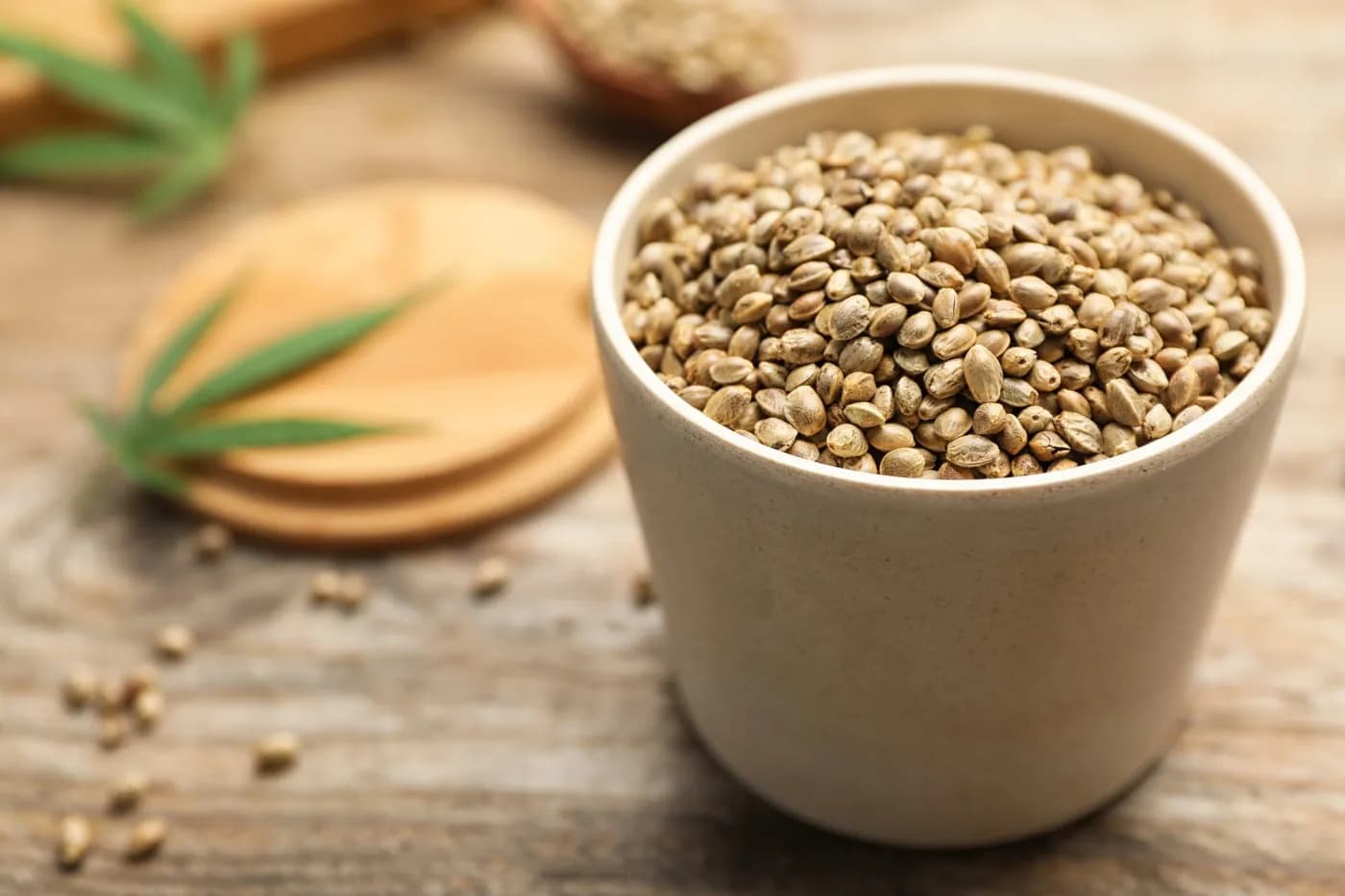
Hemp hearts are shelled seeds that provide protein, unsaturated fats and minerals. Food-grade seeds contain only trace cannabinoid amounts.
Key Takeaways
- Hemp hearts provide protein and unsaturated fats.
- They also contribute magnesium, phosphorus and other minerals.
- A spoonful can enrich a meal but is not a complete protein plan.
- Food-grade hemp seeds are different from CBD oils and cannabis products.
- Choose a sealed product and store it carefully to protect its oils.
Hemp seeds come from the Cannabis sativa plant. Shelled hemp hearts provide plant protein, unsaturated fats and minerals. Food-grade products contain only trace amounts of cannabinoids and are different from CBD products.
Hemp seeds can add texture and nutrition to vegetarian meals. However, claims that they can cure pain, balance hormones or prevent disease go beyond the evidence available for ordinary food portions.
What are hemp seeds?
Hemp is grown for its seeds, fibre and industrial uses. Its edible seeds are sold whole, shelled, ground or blended into drinks.
Hemp hearts are the soft inner portion of the seed after the hard outer shell has been removed. They have a mild, nutty taste. Whole seeds contain more outer fibre but may be harder to chew.
Compliant food products contain only limited traces of intoxicating compounds. Eating a normal portion of food-grade hemp seeds does not produce a “high.” It is still important to buy them from a reputable seller and check the product label.
Hemp seeds nutrition at a glance
Hemp seeds are energy-dense because they contain fat. Much of this is unsaturated fat, including linoleic acid and alpha-linolenic acid. They also provide protein and minerals such as magnesium and phosphorus.
Hemp seeds nutrition varies according to whether the seeds are whole, shelled or processed. For example, a hemp-based drink may contain much less protein than a spoonful of seeds. Flavoured products may also contain added sugar, salt or oil.
Hemp seeds contain relatively little carbohydrate compared with grains and pulses. They can complement vegetables, whole grains and substantial vegetarian protein sources but should not replace them. Habuild’s guide to protein-rich vegetarian foods offers more options for building balanced meals.
Possible hemp seeds benefits
Plant protein
Hemp hearts add some protein to curd, oats, salads and grain bowls. Their protein contains all the essential amino acids, although the total amount provided by a small sprinkle is limited.
A tablespoon cannot replace a complete serving of dal, beans, tofu, paneer, soy or dairy. Think of the seeds as an addition to a meal rather than its main protein source. Your total protein intake across the day matters more than marketing claims about a “complete” protein.
Unsaturated fats
The seeds provide omega-6 and omega-3 polyunsaturated fats. Alpha-linolenic acid, or ALA, is an essential plant-based omega-3 fat. However, the body converts only a limited amount of ALA into EPA and DHA.
This makes hemp a useful addition to a vegetarian diet, but it is not the same as algae-based DHA or a supplement recommended by a clinician. Eating unlimited quantities on top of an unchanged diet can also add considerable energy.
Minerals
Hemp seeds contain several minerals. Magnesium supports normal muscle, nerve and energy functions. Phosphorus contributes to the maintenance of bones and cells, while zinc and iron are present in varying amounts.
No single seed provides every nutrient the body needs. People with a diagnosed mineral deficiency may require proper assessment and treatment rather than simply increasing their hemp seed intake.
Fibre and digestion
Whole hemp seeds contain more outer fibre than shelled hemp hearts. Either form can cause fullness, loose stools or abdominal discomfort if a large amount is introduced suddenly.
Begin with a modest portion and increase it only if it feels comfortable. Habuild’s high-fibre foods guide explains how to increase fibre gradually through a variety of foods.
Heart-health claims
Replacing some foods high in saturated fat with sources of unsaturated fat can support a heart-friendly eating pattern. This general principle does not prove that hemp seeds independently lower cholesterol or prevent heart disease.
Blood pressure, physical activity, smoking, sleep, medicines and the overall diet also matter. Seeds should never replace prescribed treatment.
Hemp seeds versus CBD products
Hemp seeds, hemp seed oil and CBD oil are not the same.
Hemp seed oil is extracted from the seeds and mainly provides fat. CBD products contain cannabidiol extracted from other parts of the plant.
Research on CBD cannot be used to advertise the benefits of hemp seeds. Ordinary seeds should not be expected to relieve pain, anxiety or insomnia.
Check labels carefully because similar packaging may create confusion. Avoid products that do not clearly state their ingredients, quantities and legal compliance.
How to use hemp seeds
If you are learning how to use hemp seeds, begin with small and simple additions:
- Stir a teaspoon into plain curd.
- Sprinkle hemp hearts over oats or porridge.
- Blend a small quantity into coriander chutney.
- Add them to a salad or vegetable bowl.
- Mix them with atta while preparing rotis.
- Sprinkle them over soup after cooking.
- Add them to homemade energy bites with nuts and dates.
- Combine them with other seeds in a measured topping mixture.
Their mild flavour works with both savoury and sweet foods. However, a recipe does not become unlimited simply because it contains seeds. Habuild’s everyday diet guide can help you consider the balance of the complete meal.
Portion and frequency
There is no compulsory serving of hemp seeds. One to two tablespoons may be a practical amount for many adults, but individual energy requirements, allergies and digestive tolerance can differ.
If seeds are new to your diet, begin with a teaspoon. Measure the portion rather than eating directly from the packet. You can also rotate hemp with flax, chia, sesame, sunflower and pumpkin seeds to create more variety.
Children require smaller, age-appropriate portions and safe textures. Speak to a paediatric professional if a child has a food allergy, swallowing difficulty or a specialised diet.
Buying and storage
Choose a sealed, food-grade product with a clear ingredient list, batch details and best-before date. Avoid damaged packets or products showing signs of moisture, insects or an unusual smell.
The unsaturated fats in hemp seeds can become rancid when exposed to heat, light and air. Close the packet tightly after every use and follow the storage instructions provided by the manufacturer.
Do not eat seeds that taste sharply bitter, smell like old paint or appear mouldy. Buying a smaller packet may reduce waste if you only use them occasionally.
Drug testing and trace concerns
Food-grade products should contain only trace amounts of cannabinoids, but contamination levels and regulations can vary.
People who undergo professional or competitive drug testing should check their organisation’s rules and select reliably tested products. No manufacturer can guarantee the outcome of every drug test, so avoid unverified products, particularly those making claims about cannabinoid effects.
Allergy and other precautions
Seed allergies are possible. Stop eating the product and seek urgent medical help if you develop breathing difficulty, swelling of the face or throat, faintness or widespread hives.
Large portions may cause digestive discomfort. People with kidney disease may also need individual guidance because seeds are concentrated sources of protein and minerals.
During pregnancy and breastfeeding, it is sensible to stay with ordinary food portions and seek professional advice before using concentrated extracts or unfamiliar supplements.
Anyone taking regular medicines should tell their doctor or pharmacist about all herbal products, supplements and seeds they use regularly.
What hemp seeds cannot do
Hemp seeds cannot treat pain, anxiety, hormonal problems or insomnia. They do not automatically produce weight loss, build muscle without training and adequate nutrition, or prevent chronic disease.
Their realistic role is to add protein, unsaturated fat, texture and minerals to a varied vegetarian diet. Habuild’s guide to building sustainable food habits can help make sensible portions easier to maintain.
Sources
Frequently Asked Questions
Related Articles
Protein-rich vegetarian foods: 1/4th plate habit
Explore protein, carbohydrates, healthy fats and meal planning for strength training, muscle building and recovery.


Healthy fats: why your body needs fat
Healthy fats help your body absorb vitamins and support brain, hormones, joints, cells and daily meals. Learn simple vegetarian sources and habits.