
How to Increase Hemoglobin Naturally: Foods and Habits That Work
Increasing hemoglobin naturally takes two things together — iron-rich food and the habits that help your body actually absorb it. See the foods and.
Key Takeaways
- Hemoglobin is made inside the body – iron-rich food alone isn’t the whole answer.
- Pairing iron-rich food with vitamin C at the same meal significantly boosts absorption.
- Folate and B12 are also needed to actually produce new red blood cells.
- Tea and coffee tannins block iron absorption if drunk too close to meals.
- Diagnosed anemia may need supplements alongside diet, not diet changes alone.
How to increase hemoglobin naturally comes down to two things working together: eating iron-rich food consistently, and pairing it with habits that actually help your body absorb and use that iron — food alone, without the right habits, often isn’t enough.
How to increase hemoglobin naturally: the essentials
- Eat iron-dense food daily — lentils, leafy greens, jaggery, sesame seeds
- Pair with vitamin C — citrus fruit, amla, or lemon juice at the same meal significantly boosts iron absorption
- Add folate and vitamin B12 — both are needed to actually produce new red blood cells, not just supply raw iron
- Space out tea and coffee — their tannins block iron absorption if consumed too close to meals
- Move your body regularly — circulation and healthy red blood cell turnover benefit from consistent physical activity
Why food alone doesn’t always improve hemoglobin
There’s technically no single “food rich in haemoglobin” — hemoglobin is made inside your body, not eaten directly. What matters is eating foods that provide the raw materials — iron, folate, and vitamin B12 — that your bone marrow uses to build it. This is why some people eat iron-rich meals for weeks without much change: they may be low on folate or B12 rather than iron, or they’re not absorbing the iron they eat. Our iron rich foods guide covers the best sources in detail, including vegetarian options. Knowing how to increase hemoglobin naturally means treating iron as one piece of a bigger puzzle, not the whole answer.
The absorption habits that make the biggest difference
If you’re wondering how to build hemoglobin naturally, the vitamin C pairing is the single most impactful habit — a squeeze of lemon on dal, or a piece of amla or guava alongside a meal, can meaningfully increase how much iron actually gets absorbed from that meal. On the flip side, drinking tea or coffee immediately after eating undoes some of that benefit, so shifting chai to an hour before or after meals is a simple, high-impact change. Cooking in cast-iron vessels adds a small additional boost over time. These small, consistent habits are what actually answer how to increase hemoglobin naturally — the food matters, but so does timing and pairing.
For a deeper dive into the specific foods that make the biggest difference here, our iron rich foods guide covers vegetarian sources in detail, and if you’ve already been told your levels are low, iron deficiency diet walks through what to eat to correct an actual shortfall.
Photo: Shixart1985, CC BY 2.0, via Wikimedia Commons
When diet alone isn’t enough
Even after you’ve learned how to increase hemoglobin naturally through food, some cases need more than diet alone. If you’ve already been diagnosed with anemia or a significant deficiency, dietary changes are still important but may need to be paired with supplements prescribed by a doctor — our iron deficiency diet guide covers what to eat specifically when correcting a diagnosed shortfall, including symptoms worth watching for. How to improve haemoglobin naturally through food works well for mild dips, but persistent fatigue or very low levels deserve a proper blood test rather than trial and error.
Common mistakes
Even when you know how to increase hemoglobin naturally, a few habits quietly undo the progress:
- Expecting overnight results — hemoglobin levels typically take several weeks to shift meaningfully
- Ignoring folate and B12 while focusing only on iron
- Drinking chai right after meals, undercutting the iron you just ate
Who should be cautious
Learning how to increase hemoglobin naturally through food is safe for most people, but a few groups need extra care. Anyone with a diagnosed condition like thalassemia or a chronic disease affecting red blood cells should not rely on food alone — dietary changes can help general wellbeing, but they don’t address the underlying cause, so ongoing medical supervision matters more than diet here. People with hemochromatosis, a condition of excess iron storage, should specifically avoid self-prescribing iron-heavy diets or supplements, since more iron is actively harmful in that case rather than helpful. Pregnant women learning how to increase hemoglobin naturally should still get their levels tested regularly, since pregnancy anemia often needs supplementation on top of diet due to how much blood volume expands. And if fatigue, breathlessness, or pale skin persist despite consistent effort with food, that’s a signal to see a doctor rather than continuing to adjust diet alone.
Myths vs facts
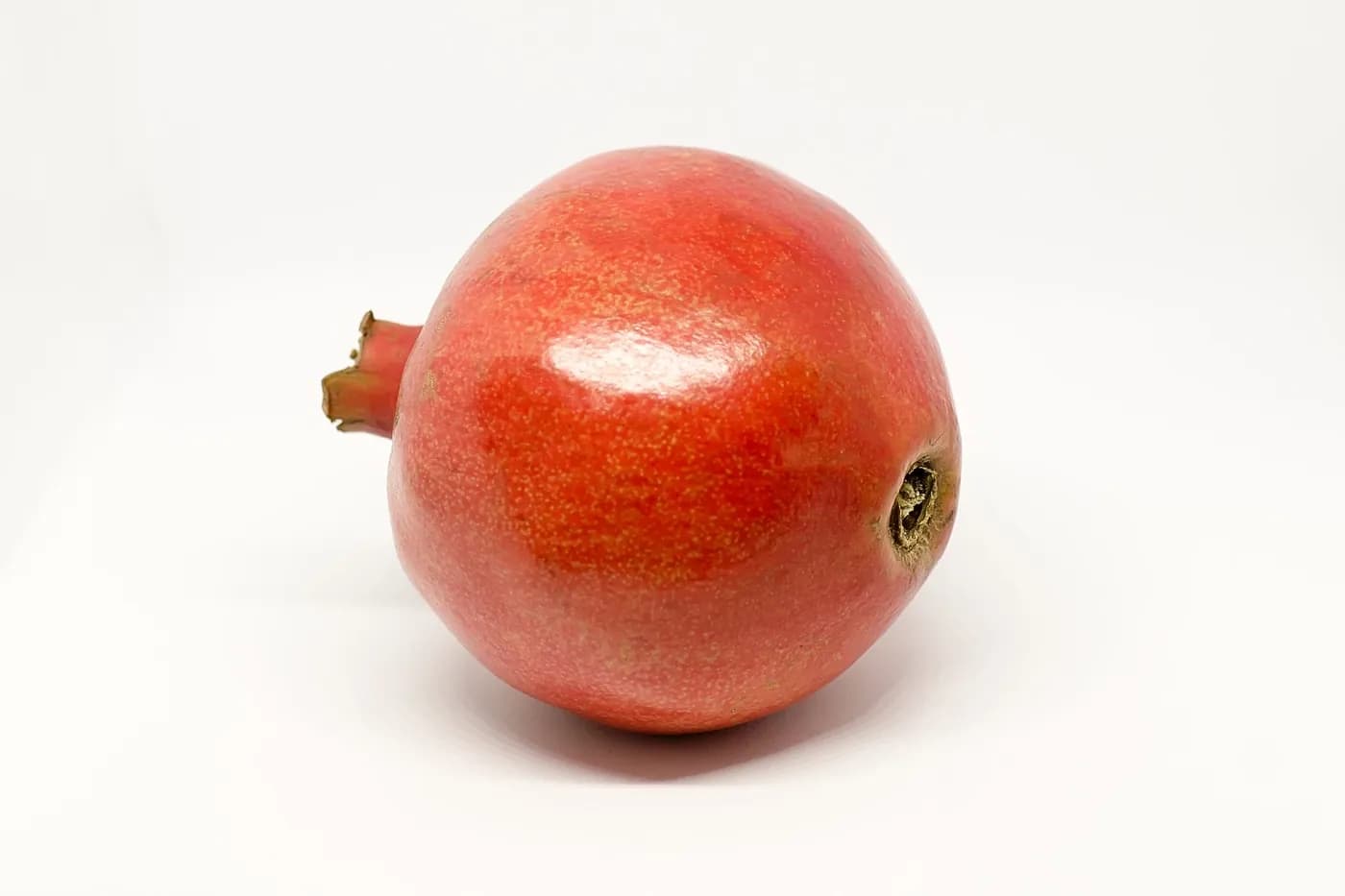
Myth: Beetroot and pomegranate directly raise hemoglobin. Fact: They’re nutritious and support overall health, but they’re not concentrated iron sources — real progress in how to increase hemoglobin naturally comes mainly from iron, folate, and B12-rich foods, not from any single “miracle” ingredient.
Myth: If you feel fine, your hemoglobin is fine. Fact: Mild to moderate drops in hemoglobin often cause no obvious symptoms early on, which is why a blood test is more reliable than how you feel when checking progress.
Myth: More iron is always better once you start improving. Fact: Once levels normalise, continuing to overload on iron supplements without medical guidance can cause its own problems — how to increase hemoglobin naturally is about correcting a gap, not maximising iron indefinitely.
Frequently Asked Questions
Related Articles
How to Increase Estrogen Naturally: Yoga, Exercise and Lifestyle Methods
Oestrogen balance is governed by the hypothalamic-pituitary-ovarian axis, chronic cortisol, and the inflammatory environment that affects receptor.


Does Lifting Weights Increase Testosterone?
Yes — resistance training is one of the most well-researched ways to support healthy testosterone in both men and women, though how much depends on.
How to Improve Energy Levels Naturally
Chronic tiredness is rarely a medical problem — it’s usually a lack of consistent movement, structured recovery, and the right daily activation. See what.