
Milk Nutrition: Protein, Calcium, Lactose and Choosing a Type
Milk provides protein, calcium, vitamin B12 and other nutrients, and fortified products may also add vitamin D. Learn how to choose a type.

Key Takeaways
- Dairy milk provides complete protein, calcium and vitamin B12.
- Vitamin D content depends on fortification.
- Lactose intolerance is different from milk allergy.
- Unsweetened fortified soy drink is often closer to dairy milk in protein than many other plant.
- Children, pregnant people and those following medical diets may need personalised advice.
Milk can provide protein, calcium, vitamin B12 and other nutrients. Fortified products may also supply vitamin D, but the amounts vary by type and brand. Milk can fit a vegetarian diet, although it is not essential for everyone.
Understanding milk nutrition means comparing portions, fat content, added sugar, fortification and tolerance. Dairy milk, lactose-free milk and plant-based drinks are not nutritionally identical, so choose according to your needs rather than marketing claims.
Milk nutrition at a glance
Dairy milk contains lactose, complete protein and varying amounts of fat. It supplies calcium, phosphorus, riboflavin and vitamin B12. Some products are also fortified with vitamin D.
Skimmed and toned varieties contain less fat while retaining much of the protein and calcium. The most suitable choice depends on age, appetite, energy needs, cholesterol and the rest of the diet.
Milk nutrition is not the only route to these nutrients. Curd, paneer, tofu made with calcium salts, fortified plant drinks, sesame seeds, ragi, beans and greens can contribute different amounts.
Habuild’s guide to protein-rich vegetarian foods offers practical ways to add protein to familiar Indian meals.
Protein and fullness
Dairy milk provides all essential amino acids and can strengthen a breakfast or snack. Adding it to oats or dalia creates a more substantial meal than drinking a sugary beverage. However, one glass is not automatically a complete meal.
Protein needs vary with age, body size, activity and health. More is not necessarily better, and people with kidney disease may require individual advice.
Many almond, rice, oat and coconut drinks contain much less protein than dairy milk. Soy drinks usually provide more, although labels differ. Check the protein per serving instead of assuming every white beverage is nutritionally equivalent.
Calcium, vitamin D and bone health
Calcium supports bones, teeth, muscles and nerves. Vitamin D helps the body absorb calcium, while bone health also depends on activity, protein intake, hormones, age and other nutrients.
Milk can contribute calcium, but it cannot guarantee strong bones or prevent fractures by itself. Fortification matters because vitamin D is not always naturally present in meaningful amounts. Read the nutrition label rather than relying only on claims displayed on the front of the pack.
People avoiding dairy should plan suitable alternatives. Habuild’s everyday diet and nutrition guide can support a varied vegetarian eating pattern.
Full-fat, toned or skimmed milk?
Full-fat milk provides more energy and saturated fat. Toned and skimmed versions reduce fat while retaining protein and calcium.
There is no single best type for everyone. Young children, people with low appetite and those who need additional energy may receive different advice from adults managing high LDL cholesterol.
Choose according to the complete diet rather than assuming full-fat milk is always superior or skimmed milk is necessary for everyone.
Flavoured milk may contain significant added sugar. Compare the ingredient list and nutrition panel. Plain milk can be flavoured at home with cardamom, cinnamon or a modest amount of fruit without adding syrup.
Lactose intolerance
Lactose intolerance occurs when the small intestine does not produce enough lactase to digest lactose comfortably. Symptoms may include gas, bloating, abdominal cramps or diarrhoea after consuming dairy products.
The amount a person can tolerate varies. Many people can manage smaller portions, consume milk with a meal or choose curd and hard cheese, which may contain less lactose.
Lactose-free dairy milk has its lactose broken down but generally retains similar protein and calcium.
Do not remove all dairy after one episode of bloating. A clinician can help distinguish lactose intolerance from irritable bowel syndrome, infection or another digestive problem. If dairy is excluded, replace the missing nutrients deliberately.
Milk allergy is different
Milk allergy is an immune reaction to milk proteins and can be severe. Symptoms may include hives, vomiting, wheezing, facial swelling, throat tightness or faintness.
Lactose-free dairy milk is not safe for someone with a milk-protein allergy because the milk proteins remain.
Seek urgent medical help for breathing trouble, facial swelling, faintness or widespread hives. Follow an allergy action plan if one has been prescribed and check packaged foods for milk ingredients.
Children with a suspected milk allergy need paediatric assessment rather than testing the reaction repeatedly at home.
Plant-based milk alternatives
Plant-based drinks vary widely. When choosing one, compare:
- Protein per serving.
- Calcium and vitamin D fortification.
- Vitamin B12 content.
- Added sugar.
- Total fat and saturated fat.
- The complete ingredient list.
- Whether the product needs shaking to redistribute added minerals.
Unsweetened fortified soy drink often comes closest to dairy milk in protein. Almond, oat, rice and coconut drinks may be useful for preference or allergy, but each requires label comparison.
Coconut drinks can contain more saturated fat, while rice drinks may contain more carbohydrate. Almond drinks are often mostly water and may contain relatively little protein.
Plant-based drinks are not suitable substitutes for infant formula. Babies require breast milk or an appropriate infant formula according to paediatric guidance.
How to use milk in balanced meals
If you are considering how to use milk, keep the complete meal in view:
- Add it to oats, dalia or ragi porridge.
- Blend a modest amount with fruit without adding sugar.
- Use it in vegetable soup or a home-cooked sauce.
- Choose plain curd when fermentation improves tolerance.
- Pair it with nuts or seeds rather than sugary cereal.
- Use paneer or tofu when a solid protein source suits the meal better.
- Consider how milk added to several cups of tea or coffee contributes to daily intake.
Milk-based sweets, milkshakes and packaged beverages can contain substantial added sugar and are not nutritionally equivalent to plain milk.
How much milk should you drink?
There is no universal number of glasses. Needs depend on age, diet, appetite and health. Someone who regularly eats curd and paneer may need less liquid milk than someone relying on it as a major calcium source.
Children have different requirements from adults, and portion recommendations may change during pregnancy, older age or illness. A doctor or registered dietitian can help if the diet excludes several food groups.
There is also no scientifically required best time. Milk can fit at breakfast, with a snack or as part of another meal.
Drinking warm milk at night may feel comforting, but it does not guarantee better sleep. If it worsens reflux or bloating, adjust the timing, type or portion.
Food safety
Use pasteurised packaged milk or boil milk according to local safety guidance and the product instructions.
Keep it refrigerated, follow the use-by date and avoid leaving it at room temperature for long periods. Use clean utensils and avoid repeatedly warming and cooling the same batch.
Discard milk with a sour odour, unusual separation, swollen packaging or signs of contamination.
Raw or unpasteurised milk may contain harmful germs. Claims that raw milk is more natural do not remove the risk of foodborne illness.
What milk cannot do
Milk cannot cure weakness, guarantee height, build muscle without training or replace a varied diet.
Turmeric milk may be a comforting beverage, but it is not a treatment for infection, chronic pain or another medical condition.
The realistic milk nutrition benefit is its contribution of protein, calcium and selected micronutrients in a convenient form when it is tolerated.
A simple habit to try
Compare the label on your current milk or plant drink with one alternative. Look at protein, calcium, vitamin D, added sugar and serving size.
Choose the type that matches your nutritional needs rather than the product with the most expensive packaging or strongest marketing claim.
Editorial sources
Frequently Asked Questions
Related Articles
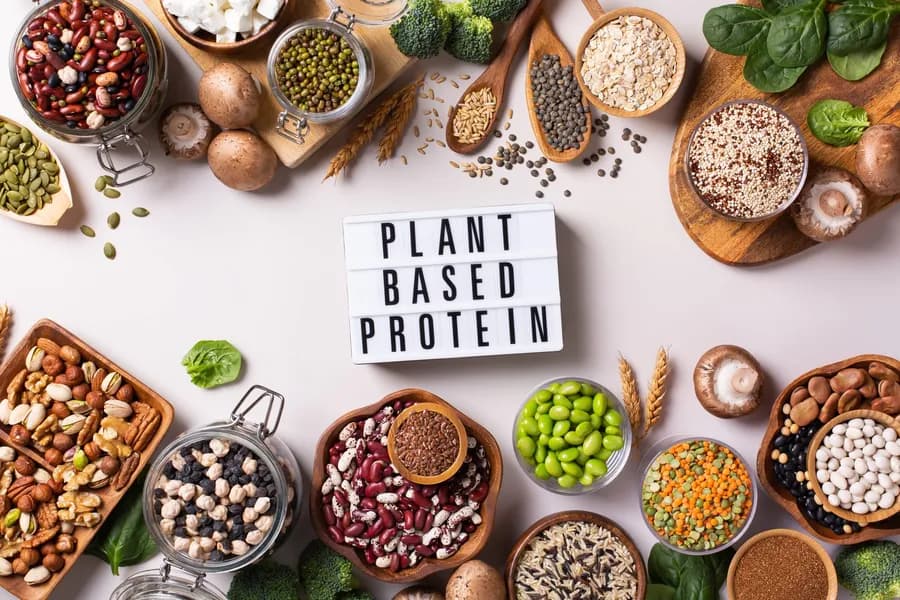
Protein-rich vegetarian foods: 1/4th plate habit
Explore protein, carbohydrates, healthy fats and meal planning for strength training, muscle building and recovery.


Healthy fats: why your body needs fat
Healthy fats help your body absorb vitamins and support brain, hormones, joints, cells and daily meals. Learn simple vegetarian sources and habits.