
Oats Benefits: Types and How to Eat Them
Oats provide soluble fibre called beta-glucan. Learn the main types, realistic benefits and easy sweet or savoury meal ideas.

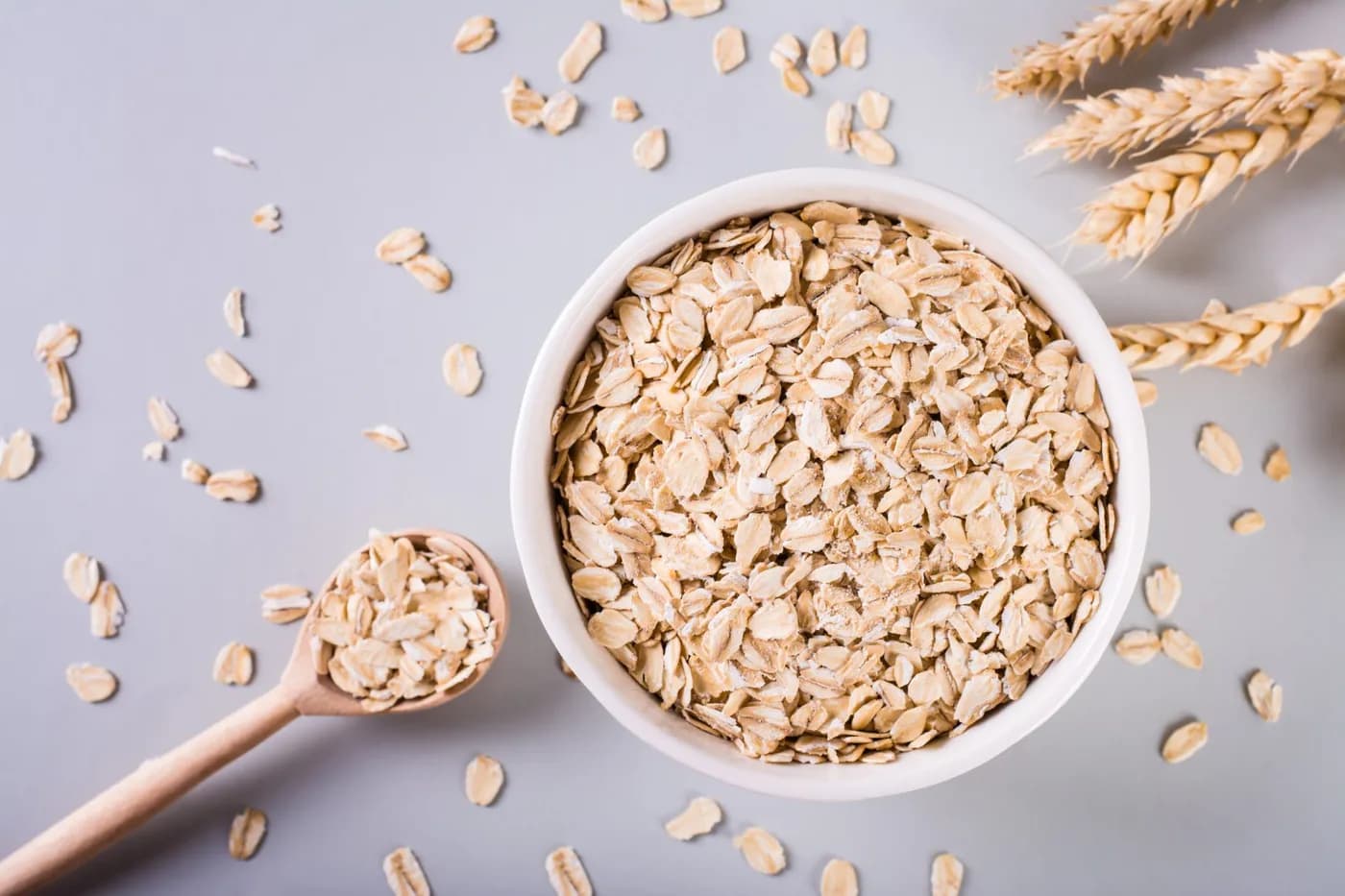
Key Takeaways
- Oats provide fibre, carbohydrate, protein and minerals.
- Beta-glucan can help lower LDL cholesterol.
- Plain oats are different from sugary instant packets.
- People with coeliac disease need certified gluten-free oats benefits.
Oats benefits are a whole grain with soluble fibre called beta-glucan. Learn the types, realistic benefits and simple sweet or savoury meal ideas.
What are oats?
Oats are a whole grain usually eaten as porridge, overnight oats benefits, upma or flour. Processing changes shape and cooking time more than basic nutrition.
Types of oats
Steel-cut oats
The groat is chopped into pieces. They have a chewy texture and take longer to cook.
Rolled oats
The groats are steamed and flattened. They cook faster and work well for porridge, overnight oats benefits and baking.
Quick or instant oats
These are cut or rolled more thinly. Plain versions can still be nutritious, but flavoured packets may contain added sugar and salt.
Oat bran and oat flour
Oat bran is the fibre-rich outer layer. Oat flour is ground oats and works in chilla or baking, but it does not behave exactly like wheat flour.
Possible benefits
Soluble fibre and cholesterol
Oats contain beta-glucan, a soluble fibre that forms a gel in the gut. Evidence shows adequate oat or barley beta-glucan can reduce total and LDL cholesterol. (1)
The effect depends on the amount and the full diet. Oats do not replace cholesterol medicine.
Fullness and digestion
Fibre can make breakfast more filling and supports bowel regularity. Increase slowly and drink enough fluid to reduce gas or bloating.
Blood sugar
Oats contain carbohydrate and raise blood glucose. Less-processed oats may digest more slowly than sugary instant cereal, but portion and toppings matter.
People with diabetes can pair oats benefits with milk or soy milk, curd, nuts or seeds and avoid large amounts of jaggery, honey or dried fruit.
How to cook basic porridge
- Add ½ cup rolled oats to a pan.
- Add about 1 cup water or milk.
- Cook on low heat for 4 to 6 minutes.
- Stir until the texture suits you.
- Add fruit, nuts or seeds after cooking.
Steel-cut oats need more water and time. Follow the pack directions.
This connects well with High-Fibre Foods and Chia Seeds for Constipation if you want the fuller picture.
Savoury oat ideas
- Oats upma with peas and vegetables.
- Oats chilla with curd.
- Oats and moong-dal khichdi.
- Oats benefits added to vegetable soup.
- Oats idli with sambar.
Sweet oat ideas without too much sugar
- Banana and cinnamon porridge.
- Apple, curd and walnuts.
- Guava with plain overnight oats.
- Unsweetened cocoa with milk and peanuts.
- Chia or flax with seasonal fruit.
For more easy breakfast habits, read Habuild’s Diet and Nutrition guide.
Are oats gluten-free?
Oats do not naturally contain wheat gluten, but they are often grown or processed near wheat, barley or rye.
People with coeliac disease should use oats labelled gluten-free and follow clinical advice. Some people still react to the oat protein avenin.
Common mistakes
- Using a very large dry portion.
- Adding several spoons of honey or jaggery.
- Choosing flavoured packets without reading labels.
- Eating oats alone without protein.
- Assuming oat biscuits are automatically healthy.
A simple oats benefits habit
Try plain oats three mornings this week. Use one fruit, one protein-rich liquid or curd, and one small nut or seed topping.
If you prefer savoury food, make oats upma and add dal, sprouts or curd.
Frequently Asked Questions
Related Articles

Types of Yoga Breathing: A Complete Guide to Pranayama Techniques
Anulom Vilom, Bhastrika, Kapalbhati, Ujjayi, Sheetali, Bhramari, and Nadi Shodhana each work differently on the body and mind, from calming to generating.

Types of Yoga Exercises: A Complete Guide to Poses, Benefits & Getting Started
Yoga exercises span a wide spectrum, from gentle restorative holds and seated asanas to dynamic standing sequences and breathwork. See the key poses.
Types of Meditation Yoga: A Complete Guide to Styles, Poses, and Daily Practice
Kundalini, Yoga Nidra, Hatha, and Sahaja each promise something slightly different — this guide covers the most recognised meditation-focused styles and.