
6 Sattu Recipes for Weight Loss: Simple, Filling Indian Meals
Six easy sattu recipes for weight loss, from a salty summer drink to chilla and stuffed vegetables, with honest tips on portions and pairing.

Key Takeaways
- Sattu is flour made from roasted chana, so it brings plant protein and fibre to your plate.
- Protein and fibre from pulses may help you feel full for longer after a meal.
- Choose the salty sattu drink over sweet versions, and use oil and ghee lightly in parathas.
- Sattu ladoo with dates is still calorie-dense, so treat it as an occasional small treat.
- Weight loss comes from your whole diet, portions and activity, not from any single food.
Sattu has been a summer staple in Bihar, Jharkhand and eastern Uttar Pradesh for generations. It is simply roasted chana ground into a fine flour, and it needs very little cooking. These sattu recipes for weight loss keep that tradition and add a healthy twist: less oil, no added sugar and plenty of vegetables.
Sattu will not melt kilos on its own. What it can do is make your meals more filling, because it brings pulse protein and fibre into everyday food. Paired with sensible portions and regular movement, that can make it easier to eat a little less without feeling hungry.
Source: ICMR-NIN – My Plate for the Day
Why sattu helps with weight loss
Chana sattu is a pulse product. Harvard's Nutrition Source describes legumes as an inexpensive source of protein, complex carbohydrates and fibre, and notes that their protein and fibre may increase feelings of fullness. The same page reports that, in a survey of US adults, people who ate beans regularly had a lower risk of obesity than those who did not. That is an association, not proof, but it fits what many people notice: a pulse-based meal tends to keep hunger away longer than a refined-flour one.
Harvard's protein page adds that eating around one serving of beans, chickpeas, lentils or peas a day may increase fullness. Fibre plays its part too. The Nutrition Source on fibre explains that soluble fibre can slow digestion, which may help keep hunger and blood sugar in check.
Because the chana is roasted before grinding, sattu is ready to eat with just water, curd or a quick cook on the tawa. That makes it a handy swap for maida snacks, biscuits and sugary drinks, which is where much of its value for weight management lies.
6 sattu recipes for weight loss
1. Salty Sattu Drink (Sattu Sharbat)
For two, you need 4 tbsp sattu, 2 glasses of cold water, juice of 1 lemon, ½ tsp roasted jeera powder, a pinch of black salt, 2 tbsp chopped onion, a little chopped coriander and 1 green chilli. Whisk the sattu into a little water first to avoid lumps, then add the rest of the water and the seasonings. Stir well before drinking, as sattu settles. This savoury version has no added sugar, and like other healthy morning drinks it works well before a busy day or after a walk in the heat. If you miss the sweet version, add a few mint leaves for freshness rather than sugar or jaggery.
2. Sattu Paratha with Less Oil
For two, use 1 cup whole wheat atta for the dough, and for the filling ¾ cup sattu, 1 small chopped onion, 1 tsp grated ginger, ½ tsp ajwain, lemon juice, chopped coriander, a little mustard oil and salt. Mix the filling with a few drops of water until it holds together when pressed. Stuff it into small balls of dough, roll gently and cook on a medium tawa. Brush with just ½ tsp oil or ghee per paratha instead of frying it. The sattu filling makes a single paratha far more filling than a plain one, so one or two with curd and a salad is usually enough.
3. Sattu Chilla
For two, whisk ¾ cup sattu with 2 tbsp besan, ½ cup water, ½ cup finely chopped vegetables (onion, tomato, capsicum, spinach), ½ tsp jeera, a pinch of haldi and salt. Rest the batter for 10 minutes. Spread thin on a lightly oiled non-stick tawa and cook both sides until golden. It is a close cousin of our besan cheela with millet and veggies, and makes a protein-rich breakfast that needs no soaking or grinding. Serve with mint chutney or a bowl of curd.
4. Sattu Stuffed Vegetables
For two, take 4 medium capsicums or 6 small karela or tinda, and for the filling ½ cup sattu, 1 chopped onion, 1 tsp each of garlic and ginger, ½ tsp each of saunf and amchur, lemon juice and salt. Slit or hollow the vegetables, fill them with the spiced sattu and cook them covered in a kadhai with 1–2 tsp oil, turning now and then, until tender. This dish puts vegetables at the centre of the plate and uses sattu as a protein-rich stuffing, which fits well with a lighter lunch or dinner alongside one roti.
5. Sattu and Vegetable Litti (Air-Fried or Baked)
For two, make a dough with 1 cup atta and water, and a filling with ½ cup sattu, chopped onion, garlic, green chilli, ajwain, nigella seeds, lemon juice and a little mustard oil. Stuff small balls and bake at 200°C or air-fry for about 20–25 minutes, turning halfway, instead of deep-frying. Serve with a chokha made from roasted baingan, tomato and garlic. Skipping the ghee dunk keeps this festive dish lighter.
6. Sattu Ladoo with Dates (in Moderation)
For eight small ladoos, dry roast 1 cup sattu on low heat for a few minutes, then mix it with ½ cup soft, finely chopped dates, 1 tbsp ghee, 2 tbsp chopped almonds and a pinch of elaichi powder. Press into small balls. Dates bring sweetness without refined sugar, but they are still a concentrated source of natural sugar, and ghee and nuts add calories. Keep this as an occasional treat, one small ladoo at a time, rather than a daily snack.
How to include sattu in a healthy diet
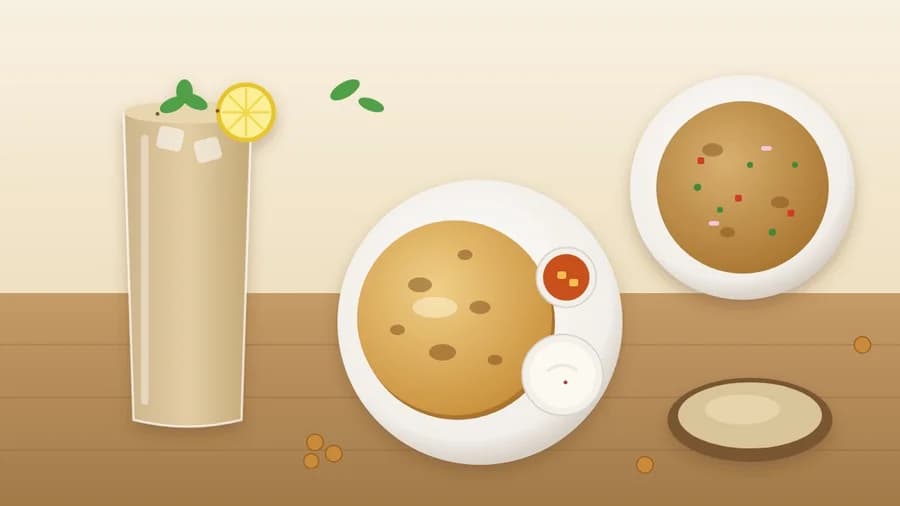
Think of sattu as a pulse serving rather than an extra. Two to four tablespoons in a drink or chilla is a reasonable amount for one person at a meal, and you can adjust it with your dietitian. Use it to replace something less filling, such as a sweet drink, biscuits or a plain paratha, rather than adding it on top of your usual food.
Breakfast and mid-morning are easy times to use sattu, since a sattu chilla or salty drink is quick to make. You can find more ideas in our guide to a protein-rich breakfast. At lunch or dinner, pair sattu dishes with vegetables and curd, in line with the ICMR-NIN My Plate approach of filling a good share of the plate with vegetables and balancing grains with pulses.
These sattu recipes for weight loss work best alongside regular activity, enough sleep and steady meal timings. No single dish does the work alone.
Tips and who should be careful
Buy plain chana sattu with no added sugar, salt or wheat, and check the label. Store it in an airtight jar, as it can turn stale in humid weather. If you are new to sattu, start with a small amount and drink enough water, since a sudden jump in fibre can cause gas or bloating.
People with chronic kidney disease may be told to watch protein, potassium and phosphorus, so ask your dietitian how much pulse-based food suits you. If you take medicines for diabetes, a big change in meals can affect your sugar levels, so speak to your doctor first. Anyone allergic to chickpeas or other legumes should avoid sattu. Mixed sattu blends can contain barley or wheat, so people with coeliac disease should choose pure chana sattu.
How Habuild can help
Habuild's live yoga and fitness sessions, along with mindful eating habits, can support a healthy lifestyle alongside a balanced diet.
Editorial Sources
- Harvard T.H. Chan School of Public Health – The Nutrition Source: Legumes and Pulses
- Harvard T.H. Chan School of Public Health – The Nutrition Source: Protein
- Harvard T.H. Chan School of Public Health – The Nutrition Source: Fiber
- NIDDK – Healthy Eating for Adults with Chronic Kidney Disease
- ICMR-NIN – My Plate for the Day
Health Disclaimer
This article is for general information only and is not medical advice. If you have diabetes, a kidney condition or any food allergy, please talk to your doctor or a registered dietitian before changing your diet.
Frequently Asked Questions
Related Articles
Healthy Morning Drinks: Choose What Fits Your Morning
A practical guide to morning drinks that suit your appetite, tolerance and daily routine.

Protein-rich breakfast salad: simple vegetarian recipe
A protein-rich breakfast salad made with chickpeas, rajma, or sprouts, vegetables, peanuts, and hung curd is quick, filling, and easy to build from.

Besan cheela recipe with millet and veggies
Besan millet veggie cheela combines vegetarian protein from besan, variety from millet flour, and fibre from grated vegetables in one simple pan-cooked.