
Steel Cut Oats for Weight Loss: Why the Texture Matters
Steel cut oats digest more slowly than instant oats, which can mean fewer blood sugar spikes and longer fullness. See why the texture makes the difference.
Key Takeaways
- Minimal processing gives steel cut oats a lower glycemic index than instant oats.
- Their denser structure takes longer to break down, avoiding a sharp glucose spike.
- Extends fullness by an hour or more compared to a quick-cooking cereal.
- Adding sugar or honey while cooking cancels out the blood-sugar benefit.
- The real effect is less mid-morning snacking, not a dramatic metabolic change.
Steel cut oats for weight loss get recommended over instant oats for a specific reason: how they’re processed changes how fast your body digests them. No single food causes weight loss on its own, but the slower digestion of steel cut oats can genuinely help you eat less without trying. That’s really the whole case for steel cut oats for weight loss — fewer spikes, longer fullness, and less mindless snacking later in the day.
Steel Cut Oats for Weight Loss — What Makes Them Different
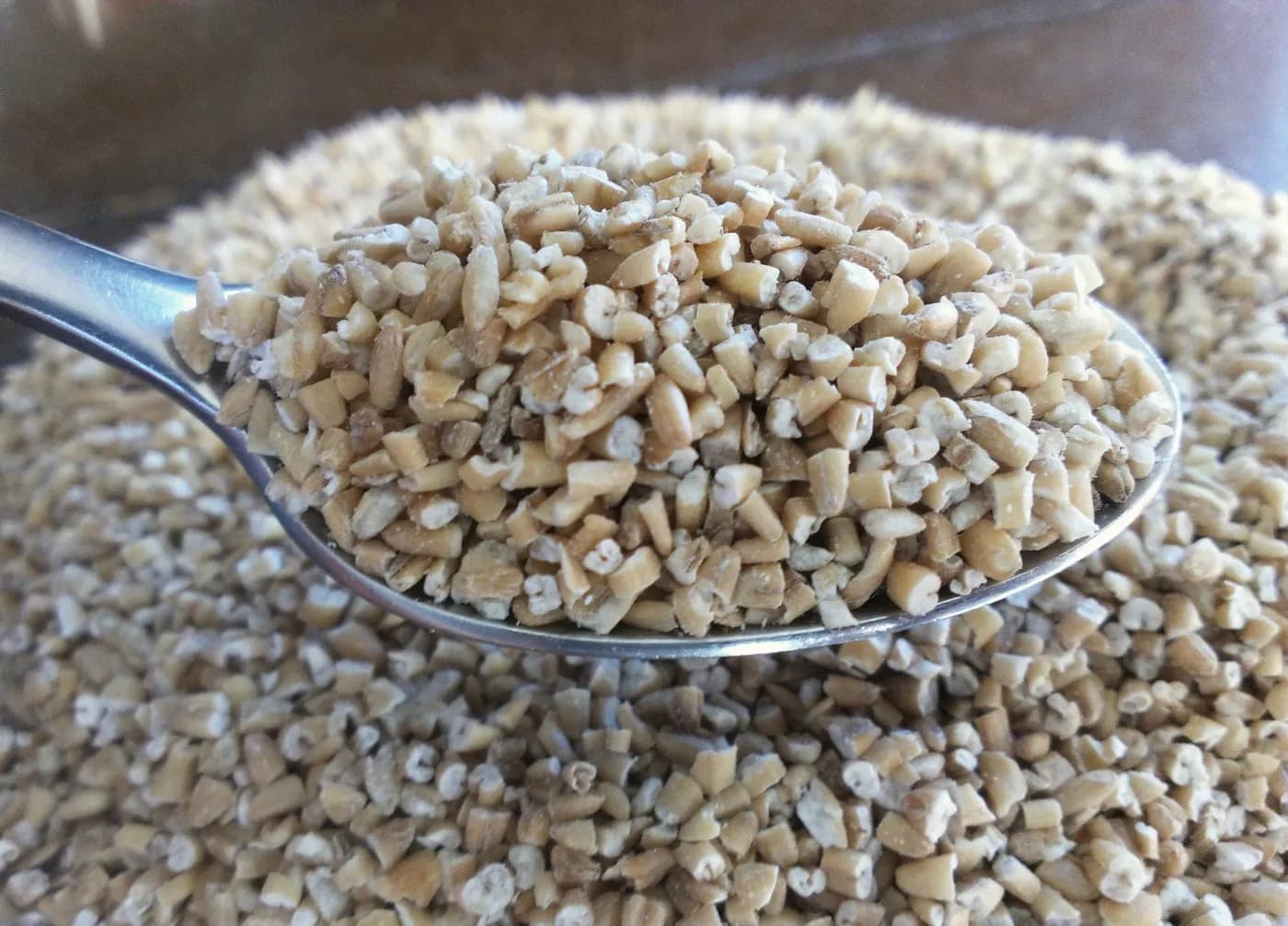
Steel cut oats are whole oat grains sliced into two or three pieces with a steel blade, rather than rolled flat or pre-cooked and flaked like instant oats. This minimal processing matters:
- Steel cut oats have a lower glycemic index (roughly 42-55, depending on cooking) compared to instant oats (around 65-79).
- The intact, chunkier structure means your digestive enzymes take longer to break down the starch inside each piece.
- Instant oats are pre-gelatinised during processing, so they cook fast and digest fast — which is convenient but works against satiety.
Steel Cut Oats for Weight Loss: The Mechanism Behind Slower Digestion and Longer Fullness
This is the part that actually explains why they’re a reasonable choice for anyone watching their weight, not just a health-food trend:
- Because the oat pieces are denser and less processed, they take longer to break down in the stomach and small intestine.
- This slower breakdown means glucose enters your bloodstream more gradually, avoiding the sharp spike-and-crash pattern that triggers early hunger.
- A steadier blood sugar curve keeps insulin response more even, which is linked to better appetite control in the hours after eating.
- The combination of soluble fibre (beta-glucan) and slower gastric emptying means steel cut oats sit in your stomach longer, extending the feeling of fullness by an hour or more compared to a quick-cooking cereal.
In practice, this typically means less mid-morning snacking, not a dramatic metabolic effect. The calories you don’t eat later in the day matter more than anything in the oats themselves — which is really the point of using steel cut oats for weight loss in the first place.
Photo: Vegan Feast Catering, CC BY 2.0, via Openverse
How to Actually Use Steel Cut Oats for Weight Loss
- Cook with water or milk for 20-30 minutes (they take noticeably longer than instant oats) — resist the urge to add sugar or honey, which cancels out the blood-sugar benefit.
- A standard serving is 40g dry oats, roughly 150-160 calories before additions.
- Add protein (a spoon of roasted chana, curd, or a spoon of peanut butter) alongside the oats to further extend satiety — carbs alone are only part of the equation.
- Batch-cook a larger pot and refrigerate; steel cut oats reheat well over 3-4 days, which removes the “it takes too long” objection on busy mornings.
If oats aren’t your thing every morning, muesli for weight loss and chia seeds for weight loss work through a similar fibre-and-fullness mechanism, and either fits neatly into a broader fat loss diet plan if you want to rotate breakfasts without losing the satiety benefit.
Common Mistakes That Undo Steel Cut Oats for Weight Loss
A lot of the benefit gets undone by what people add or how much they eat. Loading a bowl with jaggery, dried fruit, or a large glug of flavoured syrup brings the glycemic load right back up, defeating the purpose. Portion size matters too — steel cut oats are still a carbohydrate-dense food, and doubling the serving because “oats are healthy” adds calories that offset any weight loss goal. These small habits are usually what determine whether steel cut oats for weight loss actually works for you.
Myths vs Facts: Steel Cut Oats for Weight Loss
Myth: Steel cut oats melt fat directly. Fact: No food burns fat on its own. Steel cut oats for weight loss work by keeping you fuller for longer, which lowers how much you eat later — the actual fat loss still comes from a calorie deficit built up across the day, not from anything unique inside the oats.
Myth: Soaking oats overnight makes them work faster for weight loss. Fact: Soaking steel cut oats overnight in water or milk softens them and shortens the morning cook time, but it doesn’t change the calories or fibre content. It’s a convenience upgrade, not a metabolic one — steel cut oats for weight loss work the same whether you cook them fresh or soak them the night before.
Myth: All oats are interchangeable for weight loss. Fact: Instant, rolled, and steel cut oats come from the same grain, but differ in how much they’re processed. That difference in processing is exactly why steel cut oats for weight loss get recommended more often than instant oats — less processing means slower digestion and better fullness.
Myth: Eating a bigger bowl gives faster results. Fact: Portion size still counts. Doubling a 40g serving because oats are “healthy” adds calories that work against the deficit you’re trying to create, undoing much of the benefit steel cut oats for weight loss are known for.
Frequently Asked Questions
Related Articles
Does Lifting Weights Burn Belly Fat? Here’s How
Weight training changes how your body stores and uses fat over time, not just how many calories you burn in a single session. See the science, exercises.

Yoga for Weight Loss for Women: Poses, Routine & Tips That Actually Work
Dynamic poses, breathwork, and mindfulness support gradual, sustainable weight management — no gym, equipment, or prior fitness experience needed. See.

Does Yoga Reduce Belly Fat? What Actually Works
Not through spot reduction, but by strengthening the core, lowering cortisol, and improving digestion — yoga can meaningfully support fat loss around the.