
Sunflower Seeds: Nutrition, Portions and Easy Ways to Eat Them
Sunflower seeds provide unsaturated fat, protein, fibre, vitamin E and minerals in a small serving. Learn portions and easy everyday uses.
Key Takeaways
- The kernels provide vitamin E, unsaturated fats, protein, fibre and minerals.
- A small measured handful is usually enough for a snack or meal topping.
- Unsalted or lightly salted packs are better everyday choices.
- Seeds are useful additions, not replacements for dal, beans, tofu, paneer or curd.
- Correct storage helps prevent their natural oils from becoming rancid.
Sunflower seeds are small kernels with unsaturated fat, protein, fibre, vitamin E and several minerals. They can add crunch to familiar Indian meals, but they are energy-dense and easy to overeat straight from a packet. The most useful approach is a modest portion, an unsalted product and a varied diet rather than treating one seed as medicine.
What are sunflower seeds?
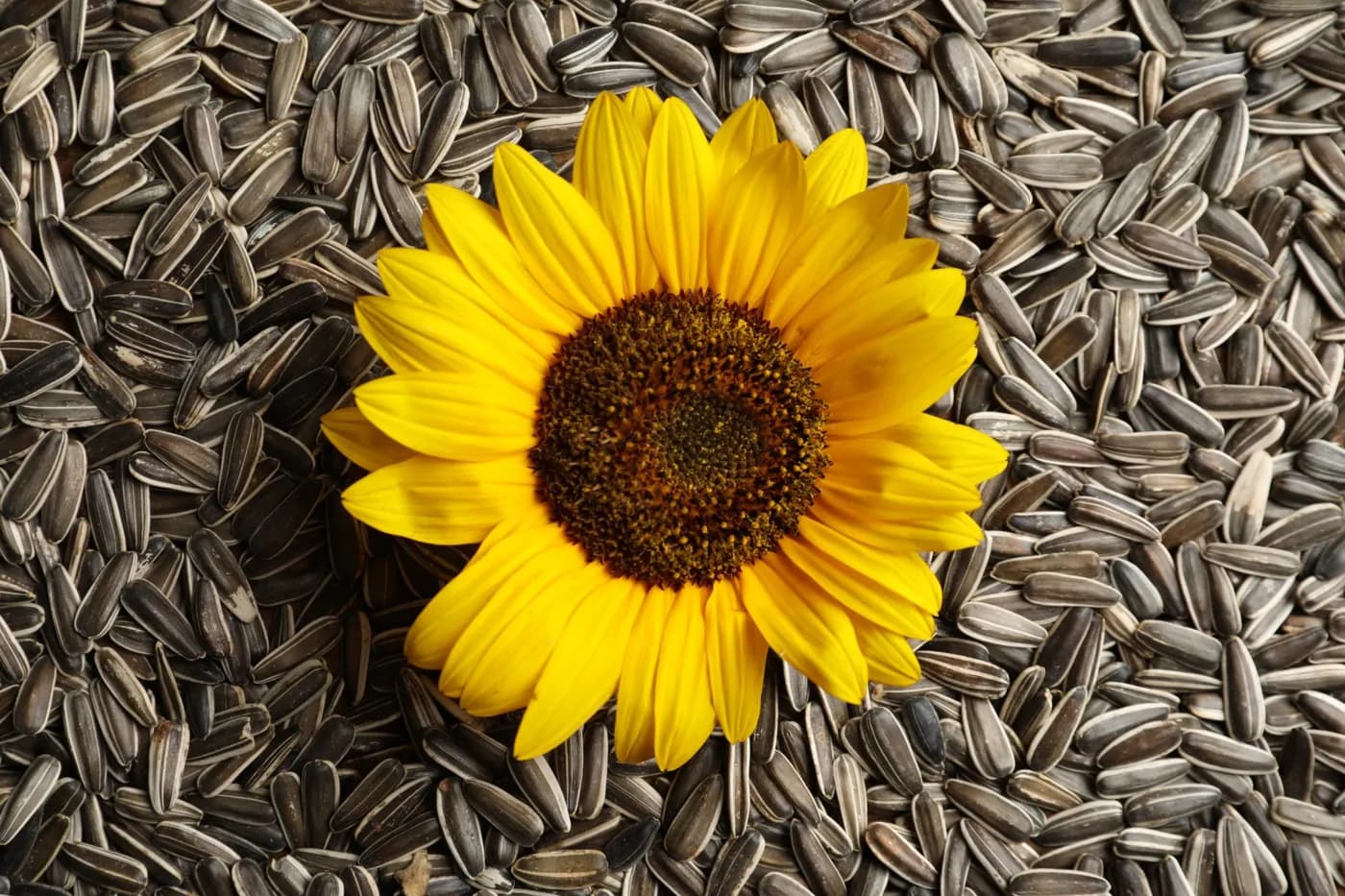
The edible kernels come from the flower head of the sunflower plant. They may be sold with a striped outer hull or already shelled. The hard hull is not intended to be eaten because it is difficult to chew and may irritate the digestive tract.
Shelled kernels are sold raw, dry-roasted, salted, flavoured or mixed with other nuts and seeds. Preparation changes the final product: a heavily salted or sugar-coated pack is nutritionally different from plain kernels.
Sunflower seeds nutrition: what do they provide?
Their main nutritional value is the combination of fat, protein, fibre and micronutrients in a compact serving. Exact values vary with processing and portion.
Unsaturated fats
Most of the fat is unsaturated. Replacing some foods high in saturated fat with unsaturated-fat foods can support a heart-friendly eating pattern. This does not mean adding unlimited seeds or oil on top of the same diet. Total portions and the rest of the meal still matter.
Vitamin E
The kernels are a useful food source of vitamin E, an antioxidant nutrient that helps protect cells from oxidative damage and supports normal immune function. (1)
Antioxidant activity does not prove that one food prevents cancer, heart disease or ageing. Vitamin E works alongside many nutrients, not as a standalone shield.
Protein and fibre
Seeds add some plant protein and fibre, which can make a snack more satisfying. However, the serving is usually small. Dal, chana, rajma, soy, tofu, paneer and thick curd remain stronger meal anchors.
For a practical way to balance Indian meals, see Habuild’s guide to protein-rich vegetarian foods.
Minerals
The kernels also provide minerals such as magnesium, copper, selenium and phosphorus. These nutrients have roles in normal muscle, nerve, bone and enzyme function. A varied diet is still more dependable than trying to meet every requirement through one ingredient.
Possible sunflower seeds benefits
Their clearest value comes from their nutrient profile and from what they replace. A measured portion with fruit or roasted chana can be more balanced than a deep-fried snack.
Their nutrients may contribute to the overall quality of a diet. However, research on preventing a specific disease is limited. Laboratory or extract findings should not become promises about everyday servings.
They do not detox the body, melt belly fat, balance hormones or cure high cholesterol. Their value comes from fitting naturally into meals that also contain vegetables, fruit, whole grains, pulses and clear protein sources.
How to use sunflower seeds in Indian meals
Start with plain, shelled kernels. Their mild, nutty taste works in savoury and lightly sweet dishes.
- Sprinkle a teaspoon or two over plain curd, oats or fruit.
- Mix them with roasted chana for a portable snack.
- Add them to poha, upma or vegetable dalia after cooking.
- Use them in salads, chaats or grain bowls.
- Blend a small amount with coriander, mint and lemon for seed chutney.
- Add them to atta with sesame or ground flaxseed.
- Mix them into homemade granola without excessive sugar.
- Use crushed kernels as a topping for soup or roasted vegetables.
Use them in food you already eat. Sunflower seeds need no elaborate routine. If the taste does not suit you, peanuts, sesame, flax or pumpkin seeds can add similar variety.
For more ways to increase fibre gradually, read High-Fibre Foods for Everyday Indian Meals.
What is a sensible portion?
Portion needs vary. A small handful—roughly 20 to 30 grams—is a practical reference for many adults, not a compulsory target.
Measure a portion into a bowl rather than eating directly from a large packet. Seeds are compact and calorie-dense, so several handfuls can add up without feeling like a full meal.
One or two tablespoons may be enough as a meal topping. People on a prescribed diet should follow individual advice.
Raw, roasted, salted or sprouted?
Both raw and dry-roasted kernels can fit. Avoid burnt products or coatings high in oil, sugar or salt.
Salted packs can contribute considerable sodium, especially when the labelled serving is much smaller than the amount actually eaten. Compare labels and choose unsalted or lightly salted products more often.
Sprouted products require careful hygiene and refrigeration. Pregnant, older or immunocompromised people should follow food-safety advice about raw sprouts.
Storage and freshness
Heat, light and air can make the natural oils rancid. Buy a pack you can finish, close it tightly and follow its storage instructions.
Discard seeds that smell paint-like, stale, mouldy or unusually bitter. Do not try to hide an off flavour by roasting or adding masala.
Safety, allergy and choking concerns
Seed allergy is possible. Seek urgent help for breathing trouble, facial or throat swelling, faintness or widespread hives. Check cross-contact warnings if you have a known allergy.
Whole kernels may be a choking risk for young children. Use an age-appropriate texture and ask a paediatrician about allergy or swallowing concerns.
Avoid chewing the hard outer hull. Large amounts of hull fragments may irritate the mouth or digestive tract.
A simple seed habit
Pre-portion a small amount at the beginning of the day or week. Combine it with another food rather than treating it as a complete meal. For example, add kernels to curd and fruit, or pair them with roasted chana.
Review the habit after two weeks. Keep it if it improves convenience, enjoyment or meal variety. Drop it if it causes symptoms, adds unnecessary expense or turns into mindless snacking.
Build the rest of the plate with Habuild’s everyday Diet and Nutrition guide.
Editorial sources
Frequently Asked Questions
Related Articles
Protein-rich vegetarian foods: 1/4th plate habit
Explore protein, carbohydrates, healthy fats and meal planning for strength training, muscle building and recovery.


Healthy fats: why your body needs fat
Healthy fats help your body absorb vitamins and support brain, hormones, joints, cells and daily meals. Learn simple vegetarian sources and habits.