
Sweet Potato Benefits: Nutrition, Portions and Easy Recipes
Sweet potatoes provide carbohydrate, fibre, potassium and carotenoids, and orange varieties are rich in beta-carotene. See easy recipes.
Key Takeaways
- Sweet potatoes provide carbohydrate, fibre, potassium and carotenoids.
- Orange varieties are rich in beta-carotene.
- Boiling, steaming, roasting and pressure-cooking can all work.
- Toppings and cooking fat can change the meal substantially.
- People with diabetes or kidney disease may need individual portions.
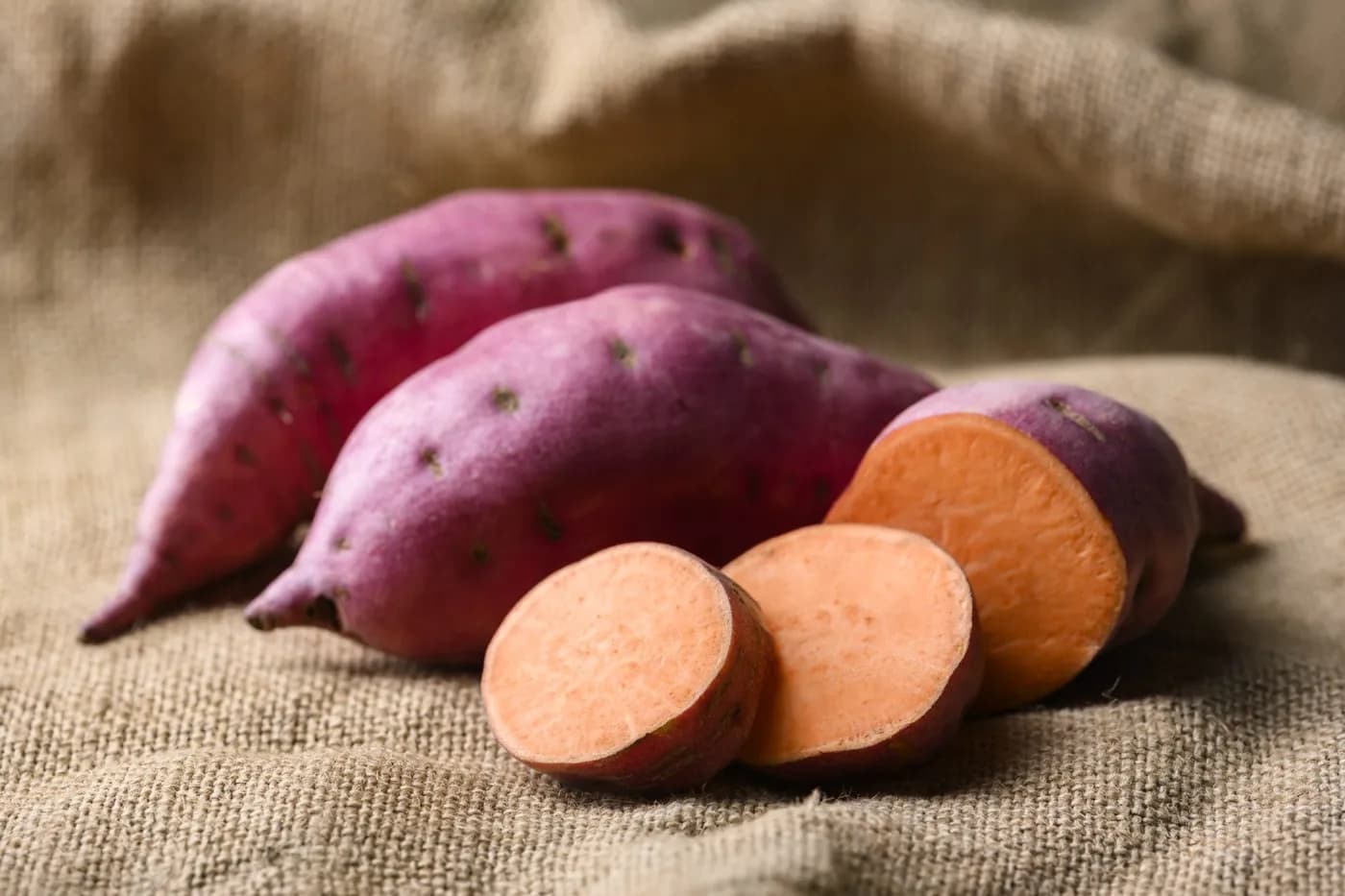
Sweet potatoes are colourful root vegetables that provide carbohydrate, fibre, potassium and carotenoids. Orange varieties are particularly rich in beta-carotene, which the body can convert into vitamin A according to need.
Realistic sweet potato benefits depend on portion, cooking method and the full meal. The vegetable can replace a refined snack or add variety to a plate, but it does not cure diabetes, inflammation or digestive problems.
Sweet potato nutrition at a glance
The root is mainly carbohydrate and water, with fibre and small amounts of protein. Orange varieties provide beta-carotene, while purple varieties contain anthocyanin pigments. Potassium supports normal nerve, muscle and fluid functions.
Sweet potato nutrition is useful but not unique. Carrots, pumpkin and leafy vegetables also provide carotenoids, while dals, beans, vegetables and whole grains contribute fibre. Variety is more important than forcing one food into every meal.
Habuild’s high-fibre foods guide offers several vegetarian choices that can complement this root vegetable.
Possible sweet potato benefits
Vitamin A contribution
Beta-carotene is converted into vitamin A, which supports normal vision, immune function and cell development. Eating the vegetable can contribute to adequate intake, but it does not sharpen normal eyesight or treat eye disease.
A small amount of fat in the meal, such as seeds, nuts, curd or measured cooking oil, can help the body absorb carotenoids. This does not require covering the vegetable in butter or ghee.
Fibre and digestion
The fibre can support bowel regularity and help a meal feel more satisfying. Eating the skin after thorough washing may add fibre, although peeling can suit texture preference or digestive sensitivity.
Large portions may cause gas or loose stools in some people. Increase fibre gradually and drink appropriate fluids. Persistent constipation, severe pain or bleeding needs medical assessment rather than a single-food remedy.
Fullness and weight management
Boiled or roasted pieces can be more filling than crisps or a sugary snack because they retain water, fibre and structure. Whether sweet potato benefits support weight management depends on what the food replaces.
Adding deep-fried wedges, cheese, sugar or large amounts of fat changes the meal. No vegetable melts belly fat or guarantees weight loss.
Plant pigments
Orange and purple varieties contain plant pigments that show antioxidant activity in laboratory studies. These findings do not prove that one vegetable prevents cancer, reverses ageing or “detoxifies” the body.
Eating vegetables of different colours is more practical than buying concentrated powders or extracts.
Sweet potatoes and blood sugar
Despite the name, sweet potatoes are not sugar-free. They are a carbohydrate food, and the amount, preparation method and meal pairing affect the glucose response.
Boiling may produce a different response from baking or mashing, but no single method makes portions unlimited. Pair the vegetable with dal, beans, tofu, paneer or curd and include non-starchy vegetables.
Habuild’s guide to protein-rich vegetarian foods can help build a more complete meal.
People with diabetes should count the carbohydrate within their individual plan and monitor as advised. The vegetable should not replace medicine or glucose checks.
Boiled, steamed, roasted or fried?
Boiling and steaming create a soft texture without requiring much added fat. Roasting develops sweetness and flavour, especially with spices. Pressure-cooking is convenient and preserves the vegetable as a whole-food ingredient.
Deep-frying increases energy density and may add substantial oil and salt. Packaged chips can be easy to overeat and should not be treated as equivalent to a boiled root.
Cooking can reduce some heat-sensitive nutrients while making other compounds easier to access. Choose the method you enjoy and can repeat within a balanced meal.
How to use sweet potatoes
If you are learning how to use sweet potatoes, try these vegetarian ideas:
- Roast wedges with cumin, chilli and a measured amount of oil.
- Add boiled cubes to chaat with lemon and herbs.
- Mash them with dal instead of adding butter or cream.
- Mix pieces into a vegetable bowl with chana or tofu.
- Add grated sweet potato to cutlets with beans.
- Use cooked cubes in sambar or vegetable curry.
- Combine mashed root with atta for rotis.
- Serve a small baked portion with plain curd and seeds.
Keep sauces, salt and cooking fat proportional. A vegetable-based recipe can still become energy-dense when toppings are unlimited.
Portion and timing
There is no universal daily portion. Around half to one cup of cooked pieces may be a practical starting point for many adults, but appetite, activity, diabetes management and the rest of the meal matter.
It can be eaten at lunch, dinner or near exercise according to comfort. Eating it at night does not automatically cause weight gain, and consuming it on an empty stomach has no proven special advantage.
Children need age-appropriate portions and textures. Avoid forcing large amounts based on claims about height, immunity or weight gain.
Skin, sprouts and food safety
The skin is edible when washed well and free from damage. Scrub under clean running water, remove bruised areas and cook thoroughly. Discard roots with extensive mould, severe decay or an unpleasant smell.
Store uncooked roots in a cool, dry, ventilated place rather than a sealed damp bag. Refrigerate cooked portions promptly and use them within a safe period.
Unlike ordinary potatoes, sweet-potato sprouts are not generally discussed in the same way as green potato solanine, but badly spoiled produce should still be discarded.
Kidney disease, allergy and other precautions
Sweet potatoes contain potassium. People with kidney disease or a prescribed potassium restriction should ask a clinician or renal dietitian about portion and cooking method.
Allergy is uncommon but possible. Seek urgent help for breathing difficulty, facial swelling, faintness or widespread hives.
People with recurrent kidney stones or a specialised medical diet should avoid making major food changes based only on online advice.
What sweet potatoes cannot do
They cannot cure diabetes, lower inflammation on their own, cleanse the liver or guarantee improved eyesight. Purple varieties are not medicines simply because their pigments act as antioxidants in laboratory experiments.
The clearest sweet potato benefits are nutritional contribution, colour, flavour and versatility inside a varied vegetarian diet. Habuild’s everyday diet guide can help place carbohydrate foods in context.
A simple habit to try
Cook one extra portion while preparing dinner. Refrigerate it promptly and use it the next day in chaat or a vegetable bowl. Pair it with a protein source so it becomes part of a meal rather than a stand-alone “health food.”
Editorial sources
Frequently Asked Questions
Related Articles
Protein-rich vegetarian foods: 1/4th plate habit
Explore protein, carbohydrates, healthy fats and meal planning for strength training, muscle building and recovery.


Healthy fats: why your body needs fat
Healthy fats help your body absorb vitamins and support brain, hormones, joints, cells and daily meals. Learn simple vegetarian sources and habits.