
Weight Gain Diet: A Simple, Healthy Plan to Gain Weight
A good weight gain diet means eating more calorie-dense, nutrient-rich food than your body burns, spread across regular meals. See what a healthy plan.

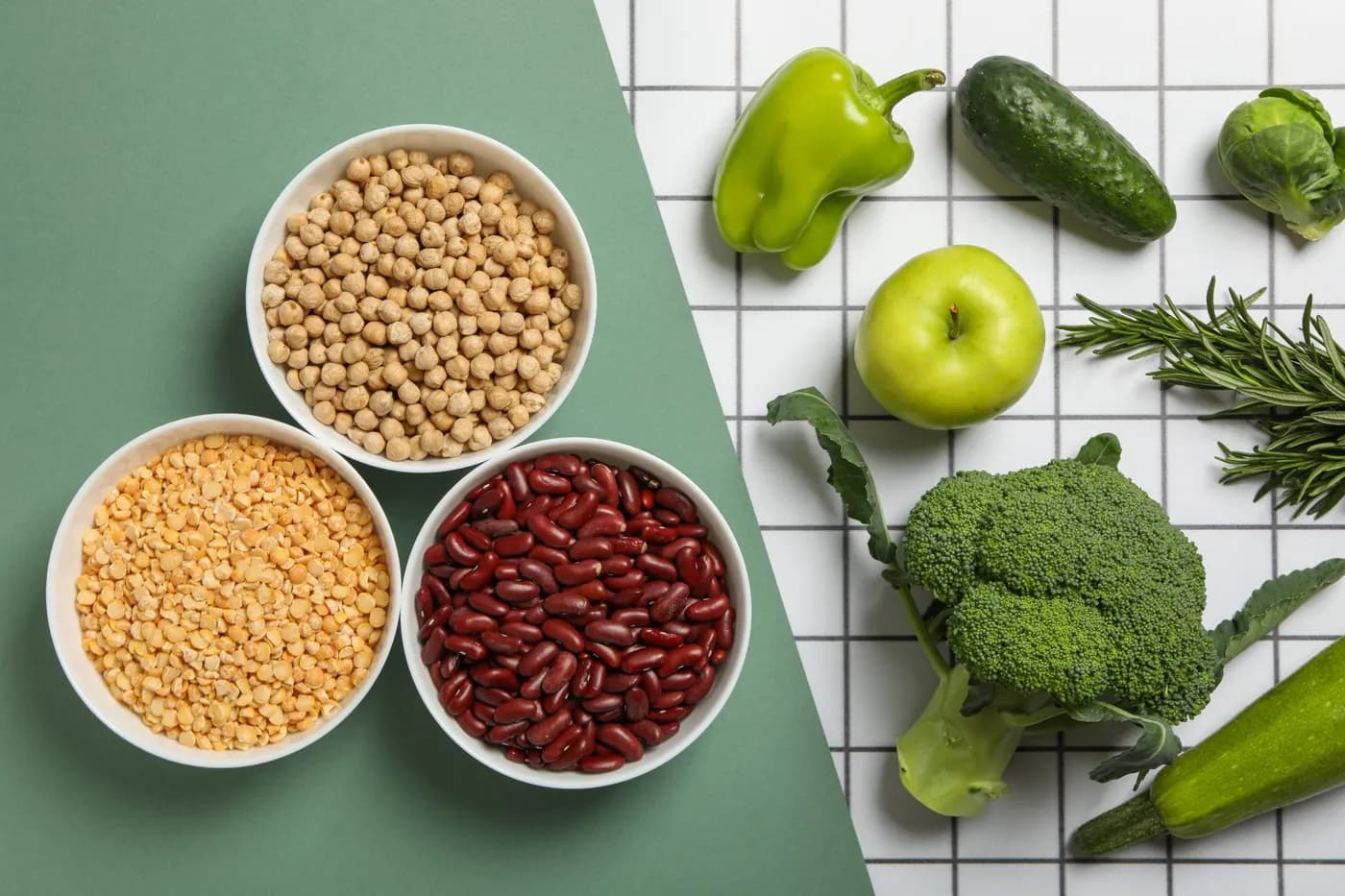
Key Takeaways
- Works through a consistent calorie surplus, not any single ‘magic’ food.
- Eating every 3 hours instead of three large meals makes hitting the target easier.
- Nuts, whole milk, ghee, and dried fruit pack calories densely into small servings.
- Pairing the diet with strength training builds lean mass rather than just fat.
- Sticking with it for weeks, not days, is what actually produces visible results.
A good weight gain diet is simply about eating more calorie-dense, nutrient-rich food than your body burns in a day, spread across regular meals. Whether you’re naturally lean, recovering from an illness, or training to build muscle, gaining weight is just as normal a goal as any other, and it works best when approached with whole foods first. A consistent weight gain diet also makes it much easier to track progress week to week, since you’re adjusting a known routine rather than guessing at random.
What a Healthy Weight Gain Diet Looks Like
There’s no single food that will do the job alone. A weight gain diet works through a consistent calorie surplus built from foods to eat to gain weight across every meal:
- Grains and starches: rice, oats, whole wheat roti, sweet potato
- Proteins: paneer, dal, soy chunks, moong, rajma, sprouts
- Healthy fats: ghee, olive oil, peanut butter, coconut
- Calorie rich foods: nuts, seeds, dried fruit, whole milk
- Fruits: banana, mango, dates, avocado
Aim to eat every 3 hours instead of relying on three large meals — it’s easier on digestion and helps you hit your calorie target without feeling overly full. Sticking to this kind of weight gain diet for several weeks, rather than a few days, is what actually produces visible results.
High Calorie Foods for Weight Gain
Some foods pack more energy per bite, which makes reaching a surplus much less of a chore. These high calorie foods for weight gain are worth building meals around:
| Food | Why it helps |
| --- | --- |
| Nuts (almonds, cashews, walnuts) | Nuts and weight gain go hand in hand — dense in healthy fats and protein |
| Whole milk and paneer | Combines protein, fat, and calcium |
| Ghee and peanut butter | Small quantity, large calorie contribution |
| Bananas and dried fruit | Natural sugars plus fibre and potassium |
| Potatoes and rice | Reliable, affordable calorie base |
A small bowl of mixed nuts, a banana with peanut butter, or paneer cubes make excellent high calorie snacks between meals — they add calories without requiring a full sitting, and they’re an easy way to keep your weight gain diet on track when a full plate isn’t practical.
Building Your Nutrition Plan for Weight Gain
A practical nutrition plan for weight gain usually follows this rhythm:
- Breakfast: Oats cooked in milk with nuts and a banana
- Mid-morning: A handful of dry fruits or a smoothie with peanut butter
- Lunch: Rice or roti, dal, a vegetable cooked in ghee, and paneer or a soy curry
- Evening snack: Roasted chana, cheese toast, or a milkshake
- Dinner: A balanced plate similar to lunch, with a side of curd
Track how you feel and adjust portions weekly. Weight gain that includes strength training tends to build lean mass rather than just fat, so pairing this diet with movement matters as much as the food itself. Think of this weekly rhythm as the backbone of your weight gain diet, with training layered on top of it.
If food alone isn’t quite closing the calorie gap, a well-chosen weight gainer powder for women can help without leaning on junk food, and rotating in more high-protein vegetarian foods keeps those extra calories working toward muscle rather than just the number on the scale.
Photo: Sprogz, CC BY 2.0, via Openverse (Flickr)
How Big Should Your Calorie Surplus Be?
A common mistake in a weight gain diet is eating “as much as possible” without a target. A more precise approach works better:
- Moderate surplus (300-500 kcal/day above maintenance): Produces roughly 0.25-0.5 kg of gain per week, mostly lean mass when combined with strength training. This is the surplus most people should start a weight gain diet with.
- Aggressive surplus (700+ kcal/day): Speeds up the number on the scale, but a larger share ends up as fat rather than muscle, especially without resistance training.
- Weigh in weekly, not daily. Day-to-day fluctuations from water and food volume are normal; a weight gain diet is working if the weekly average trends upward by roughly 0.25-0.5 kg.
- Reassess every 2-3 weeks. If the scale hasn’t moved at all, add roughly 150-200 calories; if gain is faster than 1kg/week, dial back — that pace is almost always more fat than muscle.
Getting the surplus size right is often the difference between a weight gain diet that builds a fitter-looking body and one that just adds fat quickly.
Who Should Be Cautious With a Weight Gain Diet
Rapid, aggressive weight gain isn’t right for everyone:
- People with a history of heart disease or high cholesterol should prioritise healthy fats (nuts, ghee in moderation, olive oil) over a high-volume, high-saturated-fat approach, and check in with a doctor before a large surplus.
- Anyone with unexplained rapid weight loss before starting should get checked medically first — sudden weight loss can have underlying causes that need attention before considering a bigger calorie surplus.
- People with diabetes or insulin resistance need a doctor or dietitian’s input, since calorie-dense foods often lean on carbohydrates and fats that require careful blood sugar management.
For most otherwise healthy adults who are simply lean by build or appetite, none of this applies — a sensible whole-food approach is safe to start on your own.
Common Mistakes to Avoid in a Weight Gain Diet
- Relying only on junk food for calories — it adds weight but skips the nutrients your body needs
- Skipping meals and trying to “catch up” with one large dinner
- Ignoring protein while focusing only on carbs and fats
- Expecting fast results — sustainable weight increase food choices take a few weeks to show on the scale
Frequently Asked Questions
Related Articles

Does Lifting Weights Burn Belly Fat? Here’s How
Weight training changes how your body stores and uses fat over time, not just how many calories you burn in a single session. See the science, exercises.


Does Yoga Reduce Belly Fat? What Actually Works
Not through spot reduction, but by strengthening the core, lowering cortisol, and improving digestion — yoga can meaningfully support fat loss around the.

Best Yoga for Belly Fat Reduction: 10 Poses to Practice Daily
Core-activating poses, deep breathing, and daily movement work through multiple pathways — cortisol management, digestion, and metabolic activity.