
Baking Soda Uses: Health Claims and Safety
Understand safe baking soda uses, why home-remedy doses can be dangerous, sodium concerns and when to contact Poison Control.
Key Takeaways
- Baking soda (sodium bicarbonate) can help with measured cooking and suitable cleaning tasks.
- It is not a proven remedy for detoxification, weight loss, cancer or other chronic illnesses.
- Use sodium bicarbonate antacids only as directed; avoid homemade baking soda drinks.
- Excess ingestion can cause dangerous stomach pressure and disrupt sodium and acid–base balance.
- Seek medical advice before medicinal use during pregnancy or with medicines or health conditions.
- Store it labelled, away from children, and keep food-use and cleaning supplies separate.
Baking soda is familiar, inexpensive and genuinely useful—but usefulness in a cake or on a dirty sink does not make it a daily wellness supplement. Online advice often mixes sensible baking soda uses with untested drinks for acidity, “detox,” weight loss or serious disease.
The difference lies in the purpose, product and dose. A measured amount in a recipe is not the same as swallowing spoonfuls from a kitchen packet. Understanding sodium bicarbonate safety can help you use it without turning an ordinary household ingredient into an avoidable health risk.
What is baking soda?
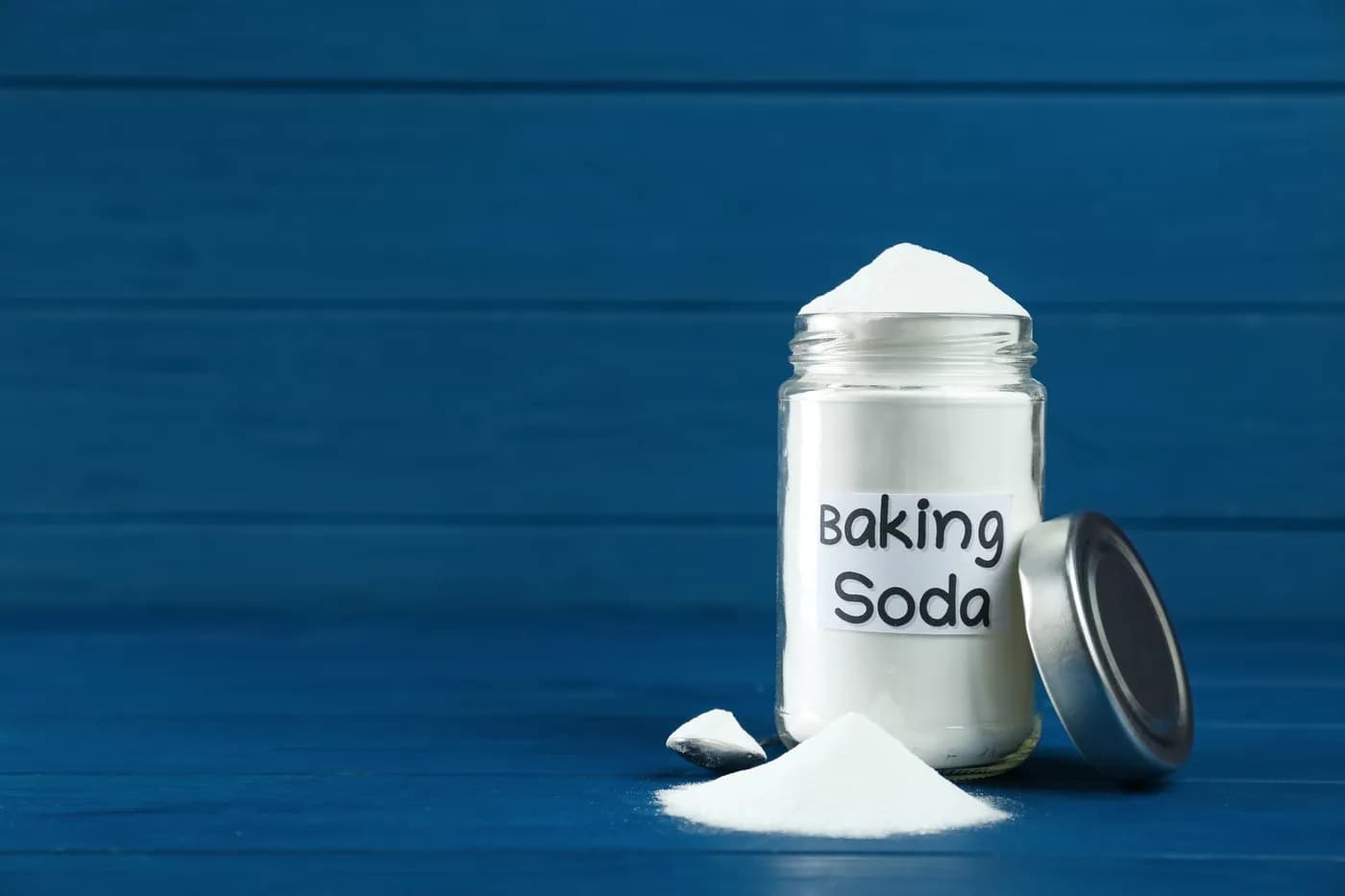
Baking soda is the common name for sodium bicarbonate, an alkaline compound. In baking, it reacts with an acidic ingredient such as curd, lemon juice or vinegar. The reaction releases carbon dioxide bubbles that help batter or dough rise.
Baking powder already contains sodium bicarbonate along with an acid and usually starch. When comparing baking soda uses, remember that these products behave differently and should not be exchanged casually.
The word “sodium” is also important. Swallowing the powder adds sodium to the body, which is one reason sodium bicarbonate safety matters for people with high blood pressure, heart failure, kidney disease or a prescribed low-sodium diet.
Practical baking soda uses at home
Cooking and baking
Use the amount stated in a tested recipe and level the measuring spoon. Adding more will not necessarily produce a lighter cake; it can leave an unpleasant taste and alter the texture.
Household cleaning
Baking soda cleaning can help with some mild odours and surface dirt. For baking soda cleaning, use a small amount on a damp cloth or make a paste with water. Test it first because even a mild abrasive can mark a delicate finish.
Do not mix household products at random. Follow the surface instructions, ventilate the area and keep cleaning mixtures away from food.
These baking soda uses are practical jobs, not evidence that the ingredient treats disease.
Baking soda health claims: what should you avoid?
“Alkalising” or detoxing the body
Your lungs and kidneys help regulate the body’s acid–base balance. A homemade drink cannot selectively “alkalise” the blood in a healthy way. Taking enough to change body chemistry can instead cause alkalosis, a potentially dangerous disturbance.
Baking soda health claims about removing toxins are also misleading. The body already processes and removes waste through several organs. A kitchen powder does not cleanse the liver, kidneys or blood.
Weight loss and belly-fat remedies
Baking soda does not melt fat or create meaningful weight loss. A temporary change on the weighing scale after a restrictive routine is not proof of fat loss and may reflect changes in food or fluid intake.
Cancer and infection claims
Laboratory findings about acidity should not be turned into home treatments. Baking soda health claims that promise to prevent or cure cancer, infections or chronic illness go far beyond reliable evidence and can delay appropriate care.
Can baking soda be used for acidity?
Sodium bicarbonate is included in some regulated antacid products. However, that does not make a kitchen spoonful a suitable homemade remedy. A commercial baking soda antacid has directions, warnings and a defined dose that must be followed carefully.
MedlinePlus advises taking sodium bicarbonate exactly as directed, not using it longer than two weeks unless a doctor recommends it, and keeping it at least two hours apart from other medicines. This baking soda antacid guidance also warns against taking it on an overly full stomach. (1)
Frequent heartburn may need assessment. Seek medical advice if symptoms keep returning or occur with difficulty swallowing, unexplained weight loss, vomiting, black stools or chest pain.
Before using any baking soda antacid, ask a doctor or pharmacist if you take regular medicines, are pregnant or breastfeeding, or have high blood pressure, heart, kidney or liver problems.
Why swallowing too much can be dangerous
When sodium bicarbonate reaches stomach acid, it rapidly produces carbon dioxide. A large amount can cause severe abdominal swelling and dangerous pressure, particularly after a very large meal.
Too much may also raise sodium levels and shift the body’s acid–base balance. Poison Control lists possible effects such as vomiting, weakness, confusion, muscle spasms, slow breathing and seizures. (2)
Repeated doses can also add up, especially when the kidneys cannot clear sodium efficiently.
Never give a homemade dose to a child. MedlinePlus states that sodium bicarbonate should not be given to children younger than 12 unless a doctor directs it.
What to do after accidental ingestion
Do not force vomiting or try to neutralise the product with another ingredient. Contact your local poison-information service or emergency medical service promptly and follow its instructions.
Keep the packet nearby so you can report the product, amount and time of exposure. Seek urgent help for breathing trouble, seizures, collapse, severe confusion or intense abdominal pain.
Good sodium bicarbonate safety also means prevention: retain the original label, close the packet, store it away from children and never transfer the powder into a drink bottle or an unmarked container.
Can it be used on teeth or skin?
Some toothpastes contain sodium bicarbonate, but a finished toothpaste differs from loose powder. Forceful use may irritate the gums, and plain powder does not replace fluoride toothpaste. Ask a dentist about staining or sensitivity.
DIY skin recipes may cause dryness or irritation. Do not apply baking soda to broken skin, rashes, burns or intimate areas. Stop and rinse if it stings.
These are not recommended baking soda uses simply because the ingredient is available at home.
Safe storage and handling
- Keep food-use powder separate from baking soda cleaning supplies.
- Store it dry in its original, clearly labelled container.
- Use a clean, dry spoon for cooking.
- Keep it away from children and pets.
- Do not inhale the dust or get it in the eyes.
- Follow the label when a product is sold as a medicine.
Claims such as “FDA approved” also need context. The FDA explains that approval applies to particular regulated products and intended uses; it does not mean every product containing an ingredient is approved for every purpose. (3)
Choose steady habits over shortcuts
Choose proven daily habits over risky wellness shortcuts with Habuild’s Yoga Everyday programme. A regular routine can support wellbeing without relying on unsafe home-remedy drinks.
A sensible approach
The most reliable baking soda uses are modest and specific: helping a tested recipe rise, supporting a suitable household task or following the label of an approved medicine. It is not a shortcut for detoxification, weight loss or disease treatment.
Use the smallest amount required for the job, keep food and cleaning supplies separate and treat medical claims with caution. Familiarity should never replace dose instructions or professional advice.
Editorial sources
Frequently Asked Questions
Related Articles
How to Detox Body Naturally — the Honest Truth about What Actually Supports Your Liver and Kidneys
The liver, kidneys, lungs, lymphatic system, gut, and skin already remove toxins continuously — no special tea or 7-day cleanse required. See what genuinely supports that system.

How to Make Gut Health Strong: 10 Proven Ways
Learn how to make gut health strong with simple daily habits, exercises, and foods. Start your gut-friendly routine with Habuild — try it with a 14-day free trial.


How to Reduce Body Fat: a Complete Guide to Losing Fat and Keeping it Off
A modest caloric deficit, progressive resistance training to preserve muscle, and daily movement that keeps metabolism active are the three consistent