
Bee Venom Cream: Do the Skin Benefits Justify the Risk?
Bee venom is an optional cosmetic ingredient with limited evidence. Learn what early research shows and why skin comfort and allergy history matter.

Key Takeaways
- Bee venom cream is a cosmetic, not a supplement.
- Wrinkle research is early and limited.
- The natural Botox comparison is misleading.
- People with venom allergy should avoid it.
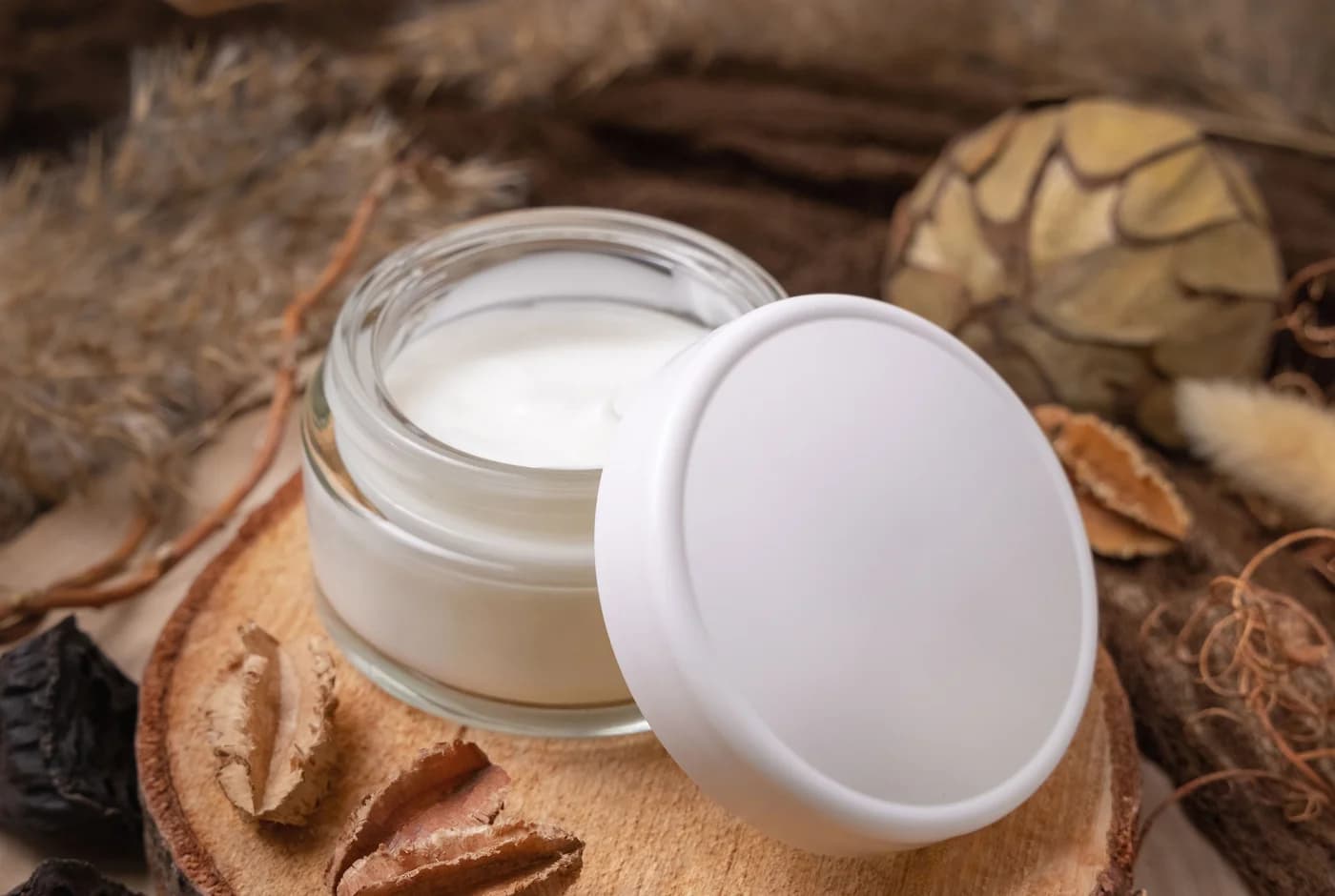
Bee venom cream is a cosmetic, not a food or a supplement to swallow. It is usually marketed for wrinkles, firmness or blemishes, with venom added to a cream or serum base. Early research is interesting, but it does not establish the dramatic results suggested by phrases such as natural Botox. Allergy is the main concern, and you do not need bee venom to build a useful skin-care routine.
What is bee venom doing in skin care?
Bee venom is a mixture of substances produced by bees, including peptides such as melittin. Researchers have explored some of these substances in laboratory work involving inflammation, microbes and skin cells.
A cosmetic uses a formulated amount in a product intended for application to the skin. That is different from a bee sting, an injection or medically supervised venom immunotherapy for insect-sting allergy.
These exposures should not be treated as equivalent. A finding about a laboratory ingredient or a medical injection cannot establish the effectiveness or safety of an ordinary face cream. Nor is applying cream a way to become protected against future stings.
What the wrinkle research can tell us
A small human study followed 22 women using a particular bee-venom serum over 12 weeks and reported improvements in wrinkle measures. This offers an early signal about one formulation, rather than proof that all venom creams reverse skin ageing.
Small, short studies cannot establish long-term results, uncommon harms or whether the effect will be meaningful to most users. The cream base and other ingredients can also influence hydration and appearance.
A before-and-after photograph on a sales page adds further uncertainty. Lighting, facial expression, makeup and camera position can change what a line looks like. Treat striking images as advertising unless the claim is supported by a well-designed comparison.
Why the Botox comparison misleads
Botulinum toxin treatment is a medical procedure with a specific mechanism, dose and set of risks. Bee venom cream is not a topical version of that procedure.
Temporary plumping from moisturisation can make fine lines look less visible without changing the muscles that create expression lines. That may still be an enjoyable cosmetic effect, but it should be described accurately.
You do not need to recreate an injection-like tingling or swelling to prove that a cream is working. Deliberately provoking inflammation is not a sensible anti-ageing routine. Skin that burns or swells needs a different response from skin that simply feels moisturised.
Acne claims need a separate standard
Some studies have explored bee venom preparations for acne. The evidence remains too limited to treat them as an established replacement for effective acne care, particularly when breakouts are painful, scarring or persistent.
A product that feels soothing may be doing so because of its moisturising base. That does not establish that venom is treating blocked pores or the underlying causes of acne.
If you already use an acne treatment, adding several new active products can make irritation harder to trace. Keep the routine manageable and avoid abandoning a useful treatment for a novel ingredient with a stronger marketing story.
Known venom allergy is a reason to avoid experimenting
If you have a diagnosed bee-venom allergy or have had a serious reaction to a sting, do not test a venom cream at home to see whether a tiny amount is safe. The potential cosmetic benefit does not justify that experiment.
The absence of a past sting reaction is not a guarantee against reacting to a cosmetic. Allergy and irritation can also come from other components, including fragrance and preservatives.
Honey, propolis, royal jelly and venom are different bee-derived materials. Tolerating honey does not prove that a venom product will suit you. A general bee-friendly or natural label does not answer the allergy question.
A small-area trial has limits
For ordinary new cosmetics, applying a small amount to a limited area over several days can help reveal irritation or contact reactions before full-face use. This is not a diagnostic allergy test or a guarantee against a severe future reaction.
Do not use that general advice as a workaround for known venom allergy. Someone with such a history should avoid casual exposure rather than conduct a home challenge.
For any product you do try, use only as intended and keep it away from eyes, lips, broken skin and areas where it is not meant to be applied. Do not mix in raw venom, use stings or combine the cream with home needling to increase penetration.
Stop if the skin reacts
Burning, itching, persistent redness or a rash is a reason to stop and gently wash off the product. Do not call it purging without evidence or keep applying more to accelerate an adjustment phase.
Hives spreading beyond the application area, throat tightness, breathing difficulty, faintness or rapidly developing swelling can indicate a serious reaction. Use prescribed emergency treatment if available and seek emergency care immediately.
Keep the product details so the ingredients and exposure can be reviewed if needed. For a persistent local rash, a dermatologist can help identify whether the problem is irritation, allergy or another skin condition.
Put the budget towards the basics first
For everyday skin care, start with a gentle cleanser, a moisturiser that suits your skin and sun protection. A broad-spectrum sunscreen with SPF 30 or higher, used properly alongside shade and clothing, helps protect against UV-related skin damage.
If dryness is making fine lines more noticeable, a straightforward moisturiser may address the main issue without adding venom. A product does not need a rare ingredient or luxury price to work well.
For a particular concern such as persistent pigmentation, acne or deep wrinkles, seek a targeted plan rather than collecting multiple products that all promise rejuvenation. The simplest routine you tolerate is easier to assess and maintain.
Is it worth trying?
Bee venom cream is optional cosmetic experimentation, with limited evidence and a real allergy concern. It is reasonable to skip it entirely, especially with sensitive skin, a sting-allergy history or a routine that already works.
If a product improves how your skin feels, keep the claim modest: you like that formulation. That does not prove the venom is necessary or that ageing has been reversed. Healthy skin care should leave your skin comfortable, not make discomfort a test of commitment.
Editorial sources
Frequently Asked Questions
Related Articles
Best Foods for Skin: What Actually Helps
No single food clears acne or erases wrinkles, but a varied diet supports your skin, while sunscreen, sleep and good skin care do much of the work.


Witch Hazel for Skin: Uses, Limits and How to Use It Safely
Witch hazel is a plant astringent for external use. What it can do for oily skin, bites and piles discomfort, what it cannot do, and how to patch-test it.
Argan Oil Benefits for Skin and Hair: Uses and Safety
Argan oil can soften dry skin and tame frizzy hair. Learn how to use it, what the research shows and how to patch-test safely.

Skin Ko Healthy Kaise Rakhe: योग और सही आदतों से पाएं चमकती त्वचा
Lungs ko strong kaise banaye — jaanein best yoga asanas, breathing exercises aur daily habits jo lungs ki capacity badhane mein madad karti hain. Abhi.
