
Is 6 Hours of Sleep Enough for a Student? What to Know During Exams
Is 6 hours of sleep enough for a student during exams? Sleep is when your brain locks in what you studied, so cutting it short to cram often backfires. See a more realistic approach.
Key Takeaways
- States teenagers need 8-10 hours while college-age students still need close to 8 hours.
- Explains sleep consolidates studied material from short-term into longer-term memory overnight.
- States sleep’s memory contribution is invisible, unlike visibly countable flashcards and pages.
- States a weekend catch-up sleep-in doesn’t fully reverse an exam-period sleep deficit.
- States sleep-deprived students show measurably worse concentration and slower reaction time.
- States studies consistently link shorter student sleep duration to lower grades.
Is 6 hours of sleep enough for a student is one of the most common questions during exam season, usually asked while weighing a few extra hours of study against a few extra hours of sleep — and the honest answer is that for most students, 6 hours falls short of what’s needed for the memory consolidation exams actually depend on.
How much sleep is enough for a student
Teenagers (roughly ages 14-17) need 8-10 hours of sleep, and college-age students in their late teens and early twenties still generally need close to 8 hours, more than most adults. So is 6 hours of sleep enough for a student at either age group? Not by these ranges — both fall well short of 6 hours as a recommended target, since adolescent and young-adult brains are still developing, and sleep plays a direct role in that process alongside memory formation.
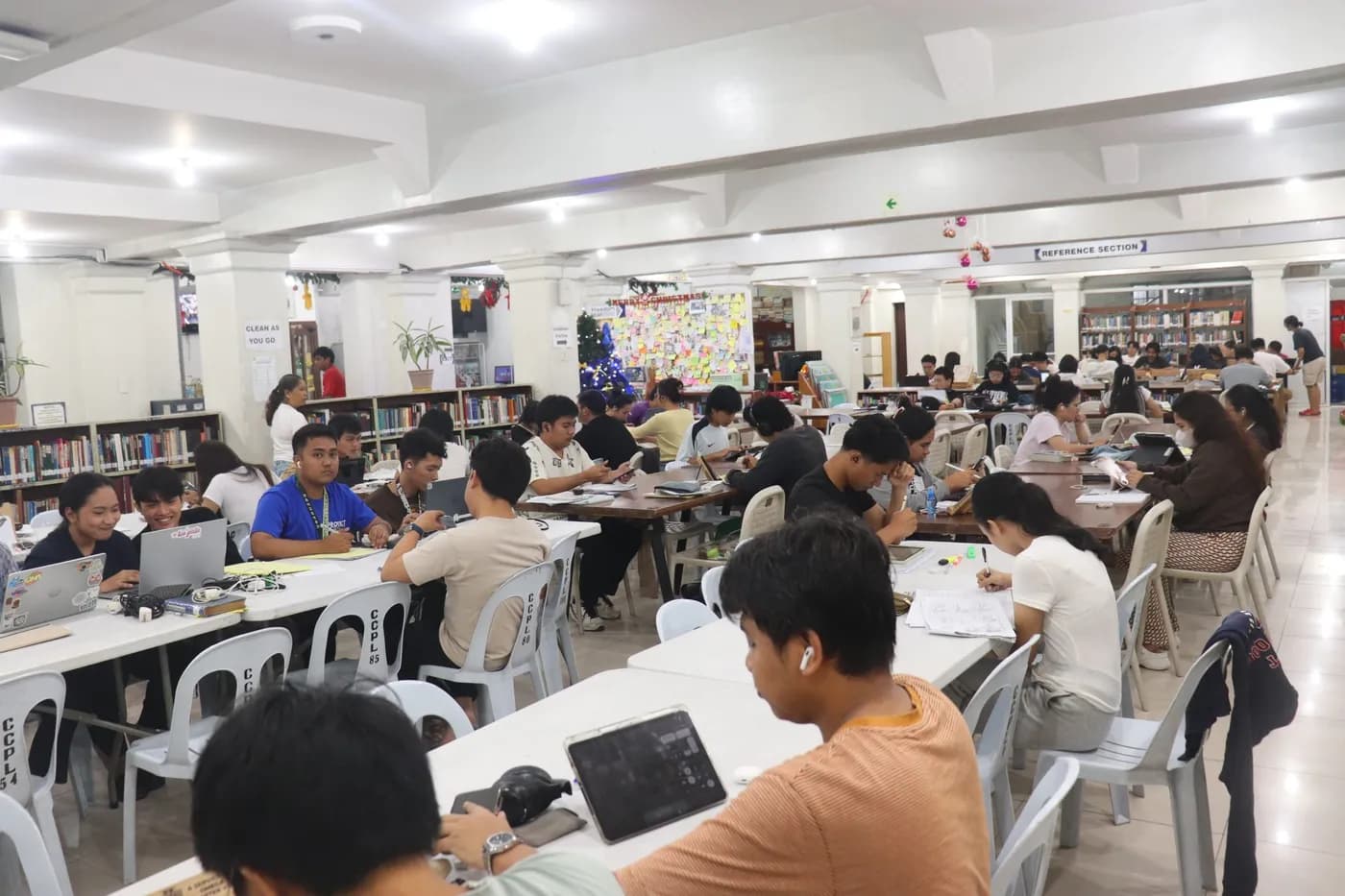
Students studying late, weighing if 6 hours of sleep is enough for a student
Why is 6 hours of sleep enough for a student — the exam-season version of the question
Sleep is when your brain consolidates what you studied that day, moving information from short-term into longer-term memory. Cutting sleep to 6 hours to fit in more study time often backfires because the brain doesn’t get enough time to actually lock in the material you crammed — meaning the extra study hours produce diminishing, sometimes negative, returns compared to the same hours spent asleep. Sleep-deprived students also show measurably worse concentration, slower reaction time, and worse mood regulation, all of which hurt exam performance directly, independent of how much content was covered.
Why cramming feels productive even when it isn’t
Part of why students keep cutting sleep despite the evidence is that cramming feels productive in the moment — you can see the pages covered, the flashcards reviewed, the hours logged. Sleep’s contribution to memory is invisible by comparison, happening quietly overnight rather than as a countable activity. This mismatch between what feels productive and what actually is productive is worth naming explicitly — it’s a large part of why the advice to protect sleep is so often ignored, even by students who, when asked directly is 6 hours of sleep enough for a student, would say no.
What happens with chronic short sleep during exam season
Consistently running on 6 hours or less across an exam period compounds into real sleep deprivation, not just a couple of tired mornings — see sleep deprivation for what accumulates in the body and mind under sustained short sleep. The common student instinct to “catch up” with a long weekend sleep-in doesn’t fully reverse the deficit either; it helps, but a fully rested brain going into an exam is more reliable than one running on a sleep debt with a weekend patch.
What the research says about whether is 6 hours of sleep enough for a student, in terms of grades
Studies tracking student sleep duration against academic performance consistently find a correlation between shorter sleep and lower grades, particularly in subjects requiring memorisation, problem-solving, or sustained attention over an exam’s length. One frequently cited pattern: students who maintain 7+ hours through an exam period tend to outperform equally prepared peers who cut sleep short, even when both groups report similar total study hours. This doesn’t mean sleep alone determines academic outcomes — preparation and study quality obviously matter enormously — but it does mean that asking whether 6 hours is enough for a student is really asking whether you’re willing to give up part of the return on the studying you’ve already done.
Building healthier habits beyond just asking is 6 hours of sleep enough for a student during exams
The pattern of cutting sleep for exams often reflects a broader student sleep habit — late nights, irregular schedules, and heavy reliance on weekend catch-up sleep — that exam season simply intensifies rather than creates. Building a more consistent sleep schedule throughout the term, not just introducing discipline during exam week, makes it considerably easier to protect sleep when it matters most, since you’re not fighting an entrenched pattern of erratic timing on top of exam stress.
If is 6 hours of sleep enough for a student is still the question, here’s a more realistic approach than cutting sleep further
- Study in the days before, not the night before — spaced-out review consistently outperforms cramming, and doesn’t require sacrificing sleep
- Protect at least 7 hours the night before an exam, even if it means covering less material than you’d planned
- Use short naps (20-30 minutes) strategically during a study day rather than pushing through exhaustion, without letting them replace nighttime sleep
- Treat sleep as part of your study plan, not something that competes with it — the memory-consolidation benefit is real and measurable
Frequently Asked Questions
Related Articles

How to Sleep Better at Night: 8 Proven Habits for Deeper, More Restful Sleep
Sleep quality is highly responsive to a few specific evening habits — no medication, expensive devices, or complicated protocols required. See all 8 proven habits.
