
Post Workout Stretches: Best Poses, Routines & Common Mistakes
Slow, sustained holds of 20-45 seconds help muscles return to their resting length after exercise — winding the body down, not up. See the best poses and common mistakes.
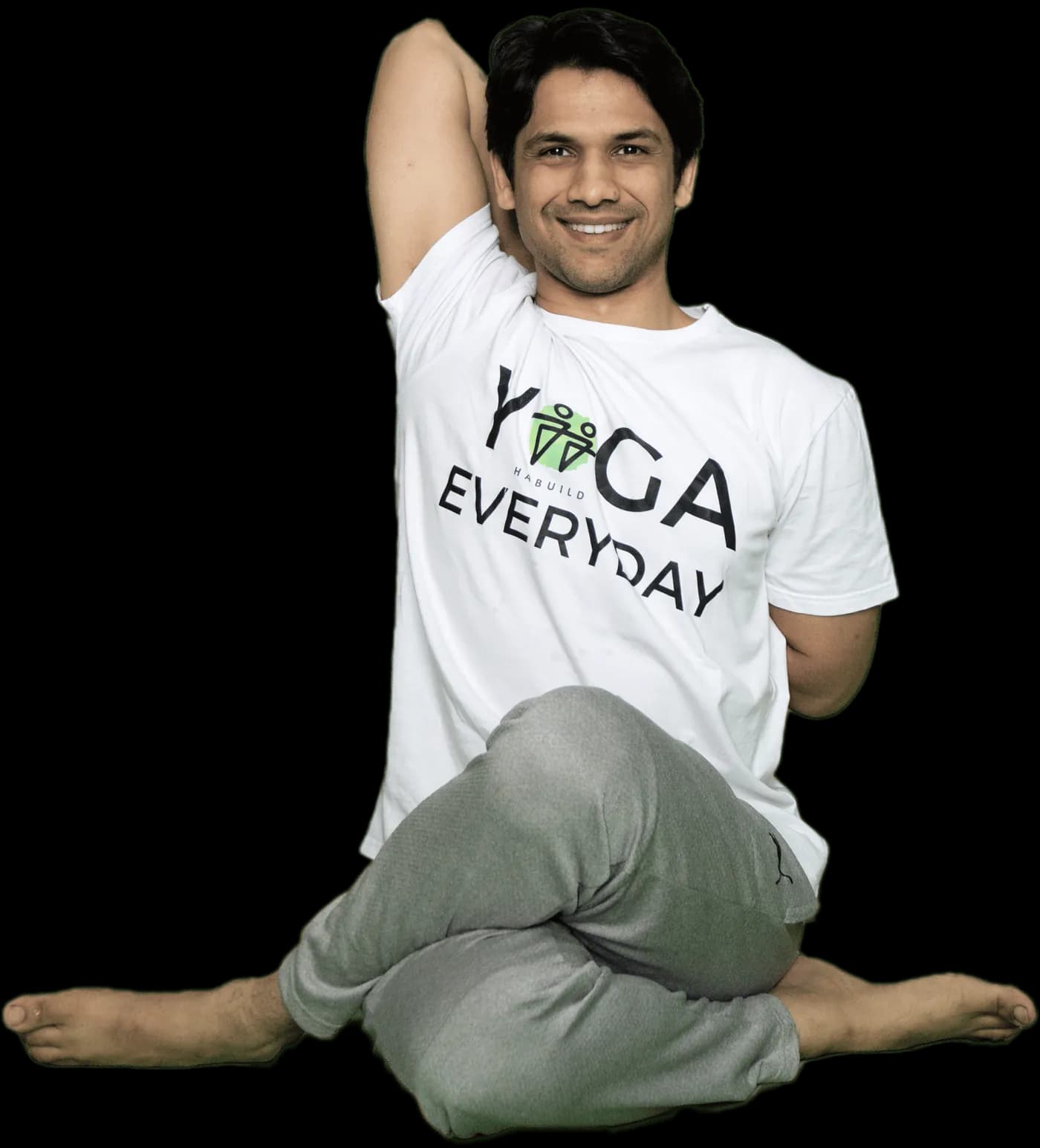
Key Takeaways
- Held for 20-45 seconds immediately after exercise, winding the body down, not up.
- Muscles are warmest and most pliable right after a workout – the ideal window for range of motion.
- May gradually ease the delayed muscle soreness that typically peaks 24-48 hours later.
- Shifts the body from sympathetic fight-or-flight mode into calmer parasympathetic recovery.
- Slow, sustained stretches keep blood circulating to clear metabolic waste from fatigued muscles.
- Creates a mental boundary between training and rest, reinforcing consistency long-term.
Post workout stretches are slow, sustained holds performed immediately after exercise to help muscles return to their resting length, support recovery, and gradually improve flexibility. Held for 20–45 seconds each, they differ from warm-up stretches in purpose: they wind the body down, not up — and done consistently, they compound into real, lasting mobility gains.
Post workout stretches are one of the most overlooked parts of any fitness routine — yet they may be the most important. Whether you’ve just finished a strength session, a run, or a yoga class, stretching after exercise helps your muscles recover gradually, supports flexibility over time, and may ease the tightness and soreness that builds up after intense activity. This guide walks you through exactly what to do, how to begin, and which poses give you the most benefit.
7 Key Benefits of Post Workout Stretches
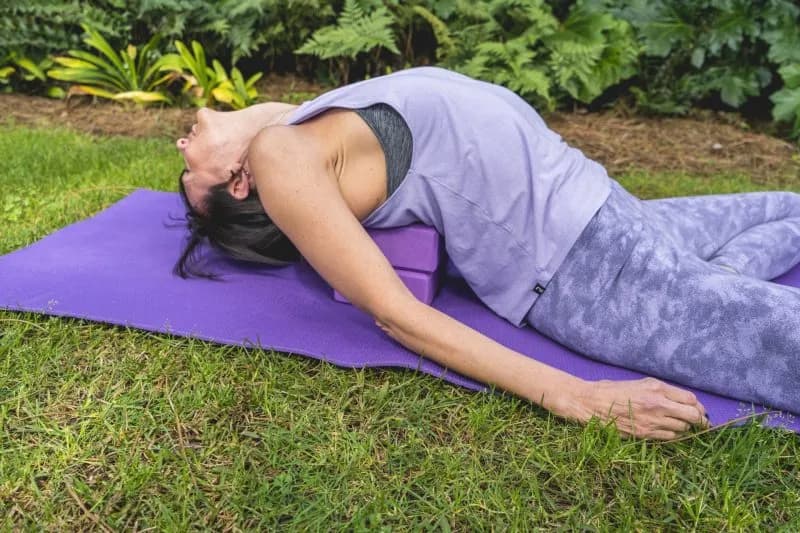
- Reduces Muscle Soreness Holding gentle stretches after exercise may gradually ease the delayed muscle soreness that typically peaks 24–48 hours later. It won’t eliminate discomfort entirely, but consistent post-session stretching often makes recovery feel noticeably smoother over time.
- Improves Flexibility Over Time Muscles are warmest and most pliable right after a workout — which makes this the ideal window to work on range of motion. Regular yoga for flexibility after training sessions can lead to meaningful improvements across weeks and months of consistent practice.
- Supports Better Posture Tight hip flexors, chest muscles, and hamstrings from weight training or prolonged sitting can pull your spine out of alignment. Targeted post-workout stretches gently lengthen these muscle groups and may support more upright, balanced posture day to day.
- Calms the Nervous System Intense exercise activates your sympathetic nervous system — your body’s “fight or flight” mode. A deliberate cool-down stretch routine helps shift you toward parasympathetic recovery, leaving you feeling calmer and less wired after hard sessions.
- Improves Blood Flow and Recovery Slow, sustained stretches keep blood circulating through fatigued muscles, helping clear metabolic waste products and deliver nutrients that support repair. This is especially relevant after weight lifting, where micro-tears in muscle tissue need efficient circulation to recover well.
- Reduces Injury Risk Over the Long Term Consistently stretching after training may help maintain healthy muscle length and joint mobility, which in turn supports better movement mechanics during your next session. This gradual improvement in tissue quality is one of the strongest arguments for making it a daily habit.
- Builds a Mindful End to Your Session Ending every workout with a structured stretch routine creates a mental boundary between training and rest. Over time, this ritual also supports the kind of consistency that produces real, lasting results — which is exactly what Habuild’s Yoga Everyday program is built around.
How to Get Started with a Post Workout Stretch Routine
What You Need to Begin
You don’t need any equipment to start a post workout stretch routine. A yoga mat is helpful for floor-based poses, but even a clean, firm surface works. Wear comfortable clothing that allows your legs and hips to move freely. That’s genuinely all you need.
Setting Realistic Goals
Start with 8–12 minutes of stretching after each session. Focus on the muscle groups you just trained — legs after a run, shoulders and chest after upper body lifting, hips and back after a full-body workout. The goal isn’t to become flexible overnight; it’s to build a habit that compounds quietly over weeks.
Aim to hold each stretch for 20–40 seconds, breathing steadily throughout. Avoid bouncing or forcing a deeper range than your body currently allows. Gradual, consistent practice — not one intense session — is what shifts your flexibility over time.
Start with the Basics
If you’re new to structured stretching, begin with three or four foundational poses that cover the major muscle groups: hamstrings, hip flexors, chest, and lower back. These are the areas most commonly tight after both cardio and weight training. Once those feel comfortable and automatic, you can layer in more targeted poses.
If you want guided instruction from the start, Yoga for Beginners is an excellent entry point — it builds the foundational movement vocabulary that makes post-workout stretching far more effective.
Best Poses for a Post Workout Stretch Routine
These five poses cover the muscle groups most commonly worked during strength training and cardio. Each can be held for 30–45 seconds per side. Progress at your own pace and keep breathing throughout.
Tadasana (Mountain Pose)
Stand with feet hip-width apart, arms relaxed at your sides, and spine tall. Take 5–8 slow, deep breaths. This grounding pose resets posture after exercise and helps you transition calmly from effort to recovery. Inhale to lengthen the spine; exhale to release tension in the shoulders. Explore more about the benefits of Mountain Pose for your daily practice.
Adho Mukha Svanasana (Downward-Facing Dog)
From all fours, press your hips up and back to form an inverted V shape. Keep a slight bend in the knees if your hamstrings are tight. This pose simultaneously stretches the calves, hamstrings, spine, and shoulders — making it one of the most efficient after-weight-lifting stretches you can do. Hold for 30–45 seconds, pedalling the heels gently to deepen the calf stretch.
Virabhadrasana I (Warrior I Pose)
Step one foot forward into a lunge, back heel grounded, and raise both arms overhead. This pose opens the hip flexors, strengthens the legs, and stretches the chest and shoulders simultaneously. It’s particularly valuable after squats, deadlifts, or any lower-body session. Hold for 30 seconds per side, breathing into the front of the hip on each exhale.
Balasana (Child’s Pose)
Kneel and sit back toward your heels, then extend your arms forward along the mat and rest your forehead down. Child’s Pose gently decompresses the lower back, releases hip tension, and calms the breath after exertion. It’s one of the most restorative post workout stretches available — hold for 45–60 seconds and let your body settle with each exhale.
Bhujangasana (Cobra Pose)
Lie face down, place your palms beneath your shoulders, and slowly press your chest up while keeping the lower ribs on the mat. Cobra counteracts the forward rounding that happens during pressing movements and prolonged sitting. It opens the chest, stretches the abdominals, and may gradually ease lower back tightness when practiced consistently. Learn how to practice Bhujangasana correctly for maximum benefit.
Common Mistakes to Avoid
- Skipping Warm-up Before Stretching Post-workout stretches work because your muscles are already warm. If you’ve taken a long break between exercise and stretching — say, 20 or more minutes — do 2–3 minutes of light movement like walking or gentle arm circles before holding any deep stretch. Cold muscles stretched aggressively are more prone to strain.
- Holding Your Breath During Poses Breath control is not optional in stretching — it’s the mechanism that allows muscles to actually release. Many people unconsciously hold their breath when they feel tension, which tightens the very muscles they’re trying to lengthen. Exhale into each stretch; inhale to reset. This one adjustment makes a measurable difference in how far each pose progresses.
- Forcing into a Deeper Range Too Soon Pushing aggressively past your current range of motion — especially after strength training when muscles are fatigued — increases injury risk without meaningfully accelerating flexibility gains. Ease to the edge of comfortable sensation and breathe there. Flexibility improves through accumulated sessions, not through forcing a single one.
- Inconsistent Practice The most common mistake is skipping post-workout stretching when you’re short on time or tired. Ironically, those are the sessions when recovery support matters most. A consistent 8-minute stretch routine performed five days a week will produce far greater results than an occasional 30-minute flexibility session. Consistency is the active ingredient.
Who Should Try Post Workout Stretches?
- Beginners If you’re new to exercise, building a stretching habit from day one is one of the smartest things you can do. It keeps soreness manageable, helps you feel good about your workouts, and lowers the dropout rate that derails most beginners in their first few weeks.
- Women Women often carry tension in the hips, lower back, and shoulders — areas directly affected by both hormonal fluctuations and desk-based posture. A structured post workout stretch routine targeting these zones may gradually ease discomfort and support overall mobility. Many women find that regular stretching, particularly through yoga, also supports stress management and emotional balance.
- Older Adults For adults over 50 or 60, maintaining joint mobility and muscle pliability becomes progressively more important for everyday function. Gentle, sustained post-workout stretches can support range of motion and may help manage the joint stiffness that commonly increases with age. If you have any existing joint conditions or injuries, consult your doctor before beginning any new stretching routine.
- Working Professionals If you train early in the morning or during a lunch break and then sit at a desk for hours, skipping post-workout stretches means compounding tightness across an entire day. Even a 10-minute cool-down routine before you shower and commute can make a significant difference in how your body feels by evening.
Build Flexibility with a Routine That Actually Works
Building flexibility and reducing post-session soreness isn’t about the occasional long stretch — it’s about showing up consistently, guided by someone who knows what they’re doing. With the right structure and daily accountability, you can make post workout stretches a non-negotiable part of how you train and recover.
What You Get with Habuild’s Yoga Everyday Program:
- Daily live guided yoga and stretch sessions
- Beginner to advanced progression — no experience needed
- No equipment required; fully home-friendly
- Expert instruction to ensure correct form and safe range of motion
- A community that keeps you consistent week after week
If you’ve been meaning to build a real post workout stretch routine, the easiest way to start is through Habuild’s live online yoga classes — guided, structured, and accessible from wherever you train.
Start Your Stretch Journey
Related reads: Pre Workout Stretches: Best Poses to Do Before Exercise · Yoga Poses for Flexibility: Best Beginner Stretches
A good cooldown only pays off when it’s paired with a training routine worth recovering from — stretching after a random workout still leaves you starting from scratch each time. Building both halves into one consistent plan is what turns effort into visible progress. Habuild’s Strong Everyday program structures your training days so that recovery, like the workout itself, becomes part of a repeatable rhythm.
Frequently Asked Questions
Related Articles
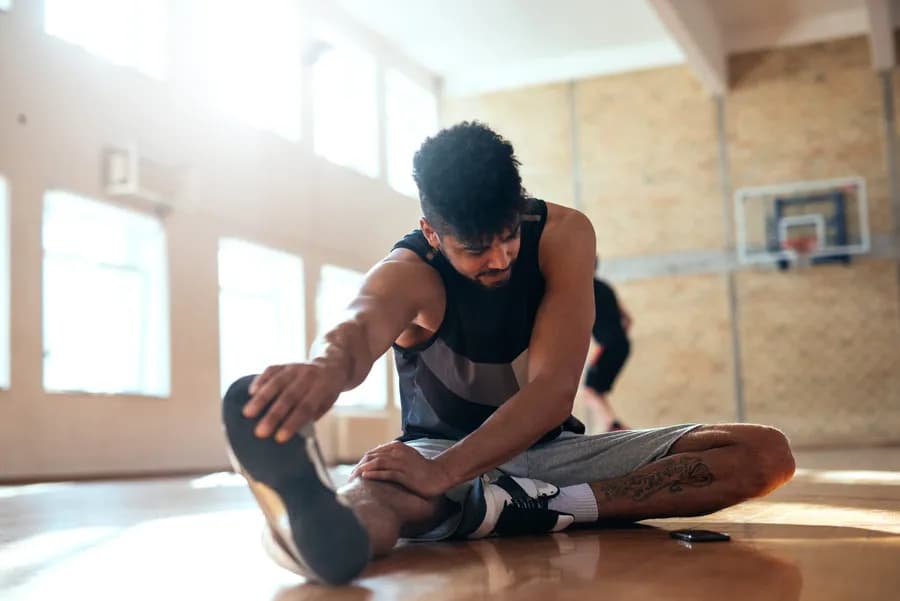
Pre Workout Stretches: Best Poses to Do Before Exercise
A focused 8-10 minute routine of dynamic or static movements warms up muscles and reduces injury risk before running, lifting, or yoga. See the best poses to do before exercise.
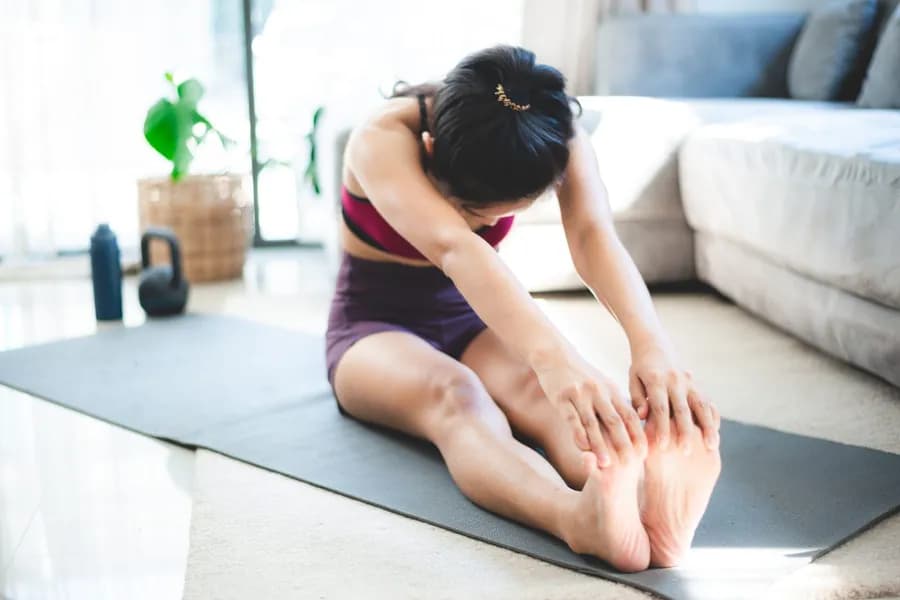
Static Stretching Exercises: Benefits, Best Poses & How to Get Started
Holding a muscle at the end of its comfortable range for 20-60 seconds without bouncing improves flexibility and eases tension — no equipment needed. See the core benefits and best poses.
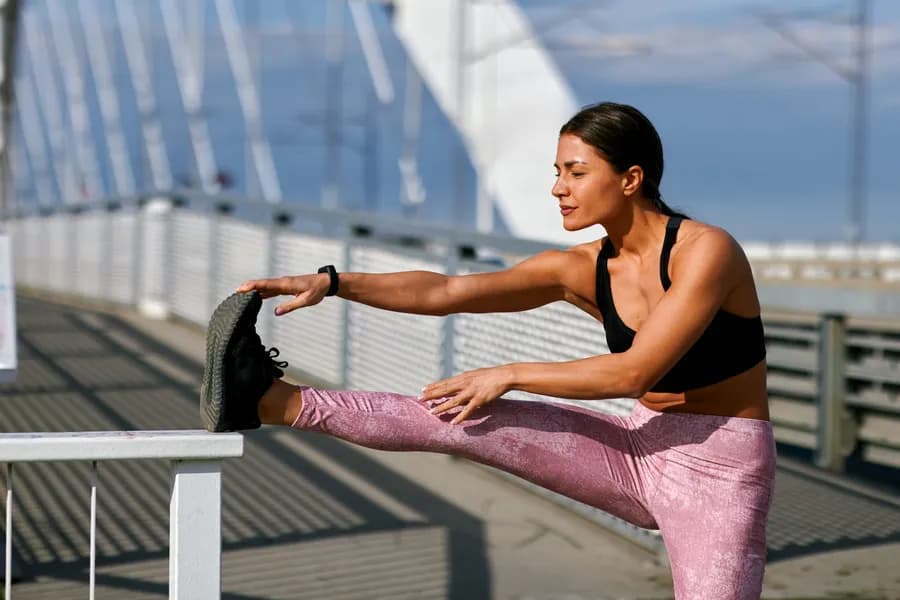
Dynamic Stretching Exercises: Benefits, Poses & How to Get Started
Controlled, flowing movements take muscles and joints through their full range of motion before activity, reducing injury risk. See the poses and how to build them into your warm-up.
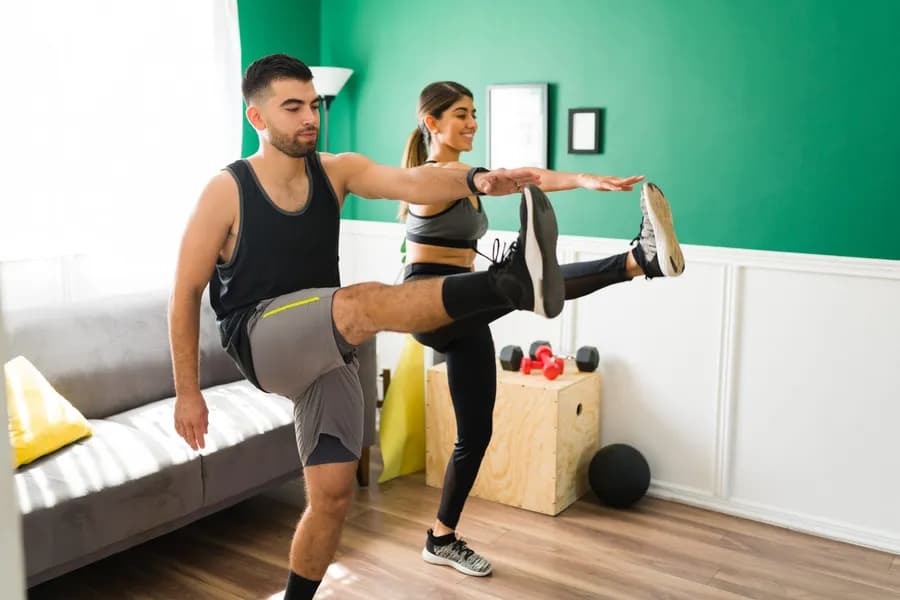
Active Recovery Workout: Benefits, Best Exercises & How to Get Started
Discover the best active recovery workout routines for full body relief. Learn exercises, mistakes to avoid, and how to stay consistent. Start for ₹1 today.
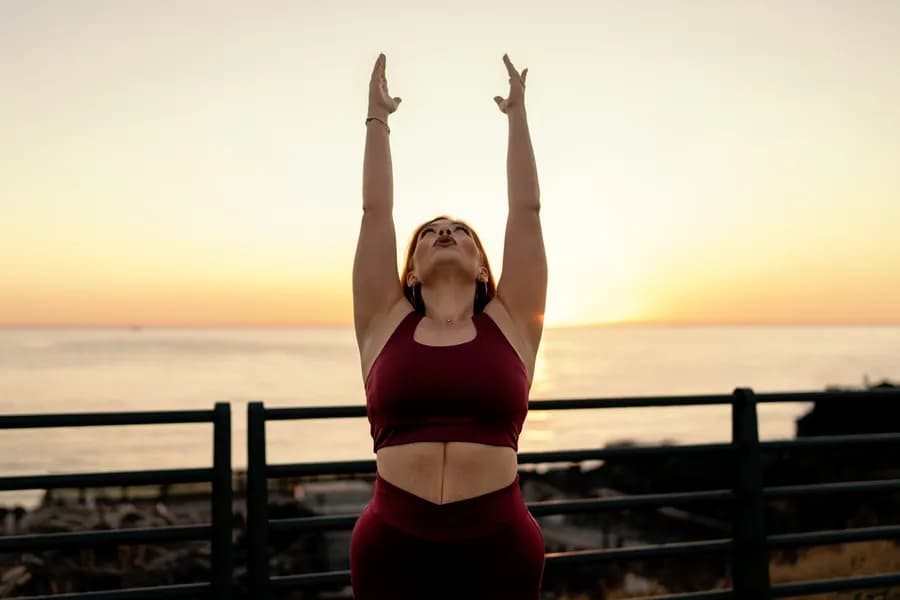
Stretching Exercises Before Workout: Your Complete Warm-Up Guide
Dynamic movements raise muscle temperature and prepare the nervous system for activity — a structured 8-12 minute routine reduces injury risk and improves performance. See the complete warm-up guide.