
What Is the Best Exercise for Weight Loss?
Squats, burpees, and HIIT all work — but consistency matters more than which exercise you choose. See the movement types that deliver the strongest results.
Key Takeaways
- Consistency matters more than which specific exercise you choose
- Visceral fat responds well to regular compound movement and cardio
- Poor sleep is an underrated driver of weight gain exercise helps regulate
- Exercise reliably lowers cortisol, breaking stress-driven eating cycles
- A daily routine's compounding effect beats any single session's burn
If you’ve been asking what is the best exercise for weight loss, the honest answer is: it depends on consistency more than the exercise itself. Squats, burpees, and HIIT sessions all work — but only if you show up regularly. This guide covers the most effective movement types, the exercises that deliver the strongest results at home or at the gym, and the common mistakes that quietly sabotage progress.
Whether you’re just getting started or you’ve been working out without seeing much change, the insights here will help you train smarter — not just harder.
8 Benefits of Regular Exercises for Weight Loss
- Boosts Your Metabolic Rate Consistent exercise — especially strength-based movement — raises your resting metabolism. Your body burns more calories even during rest, which creates a meaningful calorie deficit over time without extreme dieting.
- Reduces Visceral (Belly) Fat Visceral fat, the kind stored around your organs, responds well to regular physical activity. Compound movements and cardio together may gradually reduce abdominal fat when practiced with consistency. You can explore dedicated guidance on Strength Training For Belly Fat for a structured approach.
- Builds Lean Muscle That Burns Calories Muscle tissue is metabolically active — it requires energy to maintain. Adding lean muscle through resistance training means your body becomes more efficient at using calories throughout the day, not just during workouts.
- Improves Hormonal Balance Regular movement supports healthier levels of cortisol, insulin, and leptin — hormones that directly influence fat storage and hunger signals. Over time, this makes managing your weight feel less like a constant battle.
- Supports Better Sleep and Recovery Poor sleep is one of the most underrated drivers of weight gain. Exercise — particularly when practiced at a consistent time each day — helps regulate your sleep cycle, which in turn supports better appetite management and energy levels.
- Enhances Cardiovascular Efficiency As your heart and lungs grow stronger, you’re able to sustain higher-intensity workouts for longer. This means more calories burned per session as your fitness improves over weeks and months.
- Reduces Stress-Related Eating Physical activity is one of the most reliable ways to lower cortisol. Stress-driven overeating is common, and a consistent workout habit helps break that cycle naturally.
- Builds the Habit Loop That Makes Everything Easier The biggest benefit of regular exercise isn’t the calorie burn from any single session — it’s the compounding effect of a daily routine. Consistency is the actual mechanism behind lasting fat loss, and structured training makes that consistency far more achievable.
How to Get Started with Exercises for Weight Loss
What You Need to Begin
Almost nothing. A flat surface, comfortable clothing, and 20–30 minutes are genuinely enough to start. Bodyweight movements like squats, push-ups, and planks require zero equipment and deliver real results when performed with proper form and regularity. A single resistance band or a pair of light dumbbells can meaningfully expand your options — but they’re optional at first.
Setting Realistic Goals
Sustainable fat loss typically happens at a rate of 0.5–1 kg per week. Aiming for dramatic results in a short timeframe often leads to overtraining, burnout, or injury. Set a process goal first: “I will exercise 5 days a week for 4 weeks.” Results follow consistency, not intensity alone.
Start with the Basics
Beginners benefit most from foundational movements that train multiple muscle groups at once. Squats, lunges, push-ups, and glute bridges are compound exercises that build strength, improve coordination, and burn more calories per rep than isolation moves. Start with 2–3 sets of 10–12 reps each, rest for 60 seconds between sets, and add one more set per week as you grow stronger.
If you’re looking for a structured starting point, Strength Training For Beginners offers a progression-friendly framework to follow from day one.
Best Exercises for Weight Loss
These seven movements consistently appear in evidence-based fat-loss programs because they’re effective, scalable, and work well at home or in the gym.
Burpees
Burpees combine a squat, push-up, and jump into one explosive movement. They spike your heart rate quickly, engage nearly every major muscle group, and burn a significant number of calories in a short window. Start with 3 sets of 8 reps and build from there.
Squats
Squats target your quadriceps, hamstrings, glutes, and core simultaneously. The more muscle recruited in one movement, the more calories expended. Bodyweight squats are ideal for beginners; add a dumbbell or resistance band as you progress. Aim for 3 sets of 15 reps with controlled tempo.
Push-Ups
Push-ups strengthen the chest, shoulders, triceps, and core while also raising your heart rate meaningfully when performed in higher volumes. They require no equipment and can be modified easily — knee push-ups for beginners, decline push-ups for a challenge. Try 3 sets of 10–15 reps.
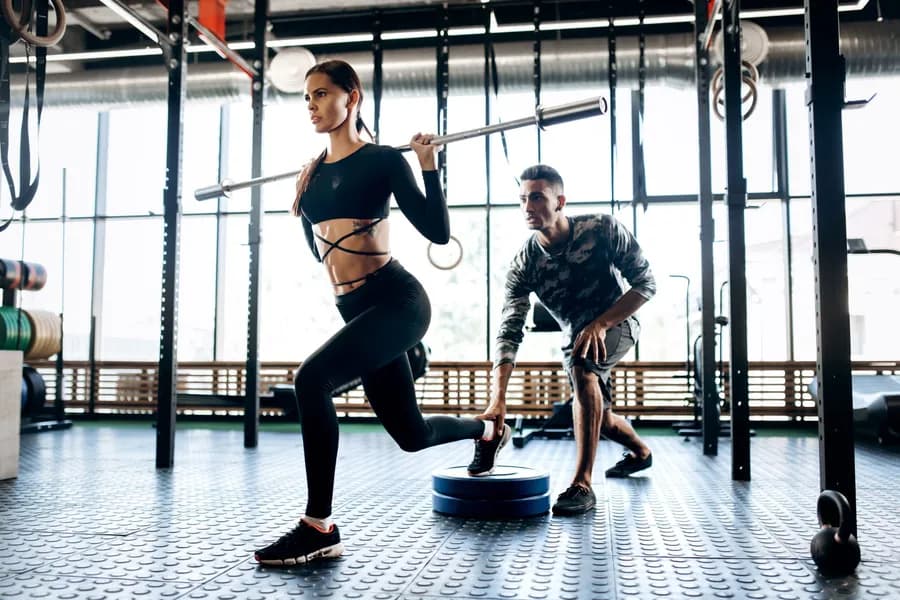
Lunges
Lunges build single-leg strength, improve balance, and activate the glutes and hamstrings more deeply than squats alone. Walking lunges add a cardiovascular component that makes them particularly useful for fat loss. Perform 3 sets of 12 reps per leg, maintaining an upright torso throughout.
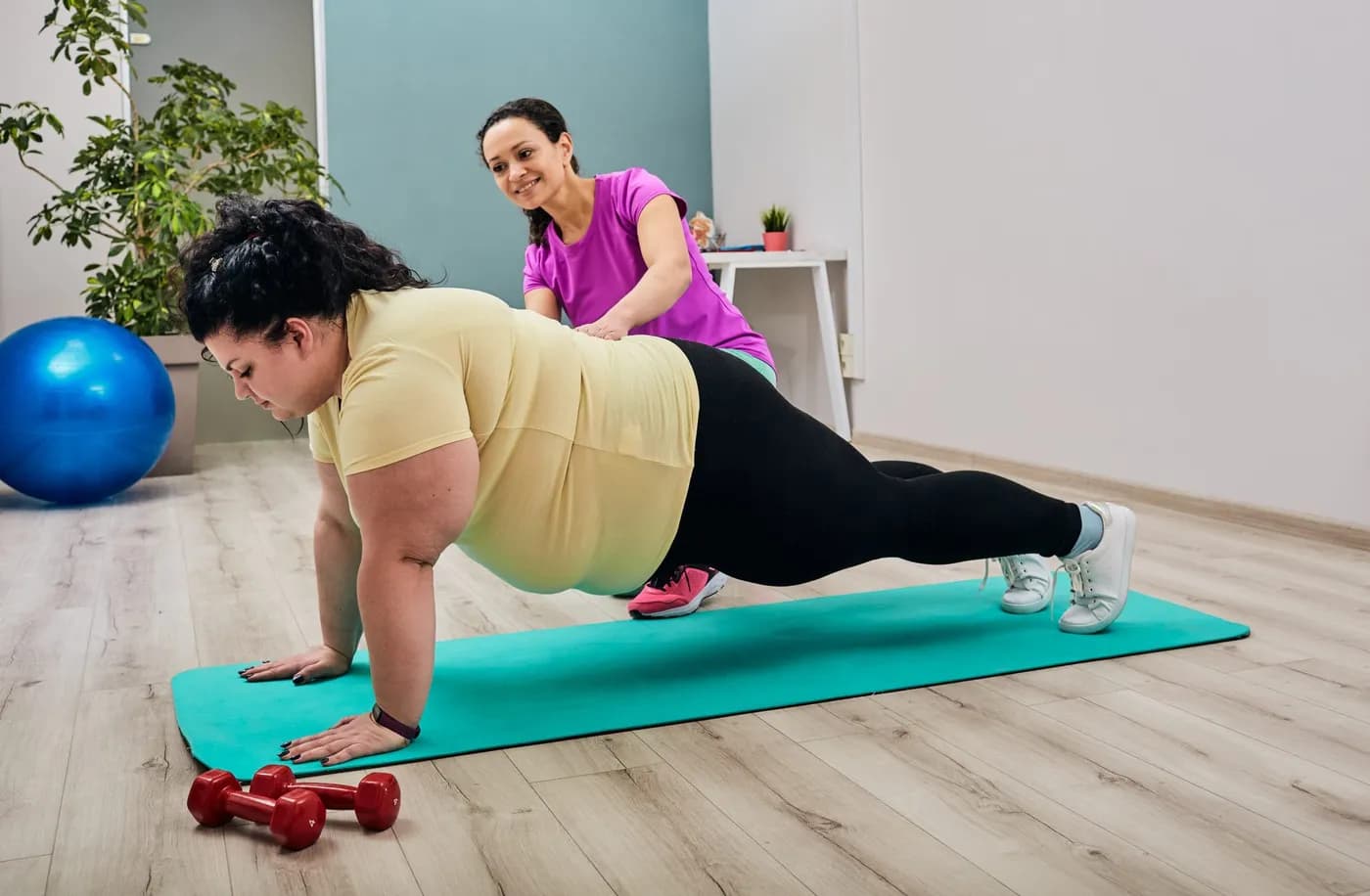
Plank
Planks build deep core stability — the foundation for every other movement on this list. A strong core means better form, fewer injuries, and more efficient calorie burn across all exercises. Hold for 30–60 seconds, rest, and repeat 3 times. Progress to side planks and plank shoulder taps as you build endurance.
Mountain Climbers
Mountain climbers combine core training with cardiovascular effort in a compact movement. They elevate heart rate rapidly, engage the abs, hip flexors, and shoulders, and can be done anywhere. Perform 3 rounds of 30 seconds with 20 seconds of rest between rounds.
HIIT (High-Intensity Interval Training)
HIIT alternates between short bursts of maximum effort and brief recovery periods. Research consistently shows that HIIT burns more calories in less time compared to steady-state cardio and creates an afterburn effect that keeps your metabolism elevated for hours after the session ends. A simple protocol: 40 seconds on, 20 seconds off, 8–10 rounds using any of the exercises above.
For a complete at-home routine that combines these movements, Best Exercises For Strength At Home is a practical next step.
Common Mistakes to Avoid
- Poor Form Performing exercises with incorrect technique reduces their effectiveness and significantly increases injury risk. A squat with a rounded lower back, or a push-up with flared elbows, trains the wrong muscles and stresses joints unnecessarily. Working with a guided program — even a live online class — makes a real difference early on.
- Skipping the Warm-Up Jumping straight into high-intensity work with cold muscles is one of the fastest routes to a pulled hamstring or strained lower back. A 5–10 minute warm-up of light movement — leg swings, arm circles, hip circles, and a gentle jog in place — prepares your joints and activates the muscles you’re about to train.
- Overtraining Without Recovery More is not always better. Training every single day at high intensity without scheduled rest leads to accumulated fatigue, hormonal disruption, and a plateau in results. Build at least one or two rest or light-activity days into your weekly schedule. Sleep, nutrition, and recovery are where the actual adaptation happens.
- Inconsistency This is the most common reason people don’t see results. Three intense sessions one week followed by nothing for two weeks will not produce fat loss. A moderate 30-minute workout done five days a week, every week, will consistently outperform sporadic intense efforts over any 3-month period.
Who Should Try Exercise for Weight Loss?
- Beginners If you haven’t exercised regularly before, you’re in the best position — any consistent movement will produce noticeable changes relatively quickly. Start with bodyweight basics 3–4 times a week, focus on learning the movements properly, and build duration before intensity.
- Women A common concern is that strength training will make women look “bulky.” This is a persistent myth. Women have significantly lower testosterone levels than men, which means resistance training builds a lean, toned physique rather than adding bulk. Strength Training For Women addresses this in detail with a practical approach.
- Older Adults Exercise for weight loss becomes even more important with age, as muscle mass naturally declines from the mid-30s onward. Resistance training helps preserve lean muscle, supports bone density, and improves functional mobility. If you have existing joint conditions or health concerns, speak with your doctor before starting a new routine, and consider low-impact options like bodyweight squats and resistance bands as a starting point.
- Working Professionals Time is the most common obstacle for busy professionals. The good news: 20–30 minutes of structured exercise is enough to drive meaningful fat loss results. Morning sessions tend to have the highest adherence rates because they don’t get displaced by work demands. Desk posture issues — tight hips, rounded shoulders, weak core — are directly addressed by the exercises in this guide.
Build a Fat-Loss Routine That Actually Works
Building a leaner body isn’t about finding the perfect exercise — it’s about following a structured plan consistently, with guidance that keeps your form correct and your motivation intact. That’s exactly what Habuild’s Strong Everyday program is designed to do.
- Daily live guided strength sessions — no pre-recorded loops
- Beginner-to-advanced progression built in from week one
- No equipment required — designed for home workouts
- Expert instruction to ensure correct form throughout
- A community of thousands who show up every day alongside you
Related reads: क्या Exercise Daily करना चाहिए? जानें सही जवाब · चेहरे का मोटापा कैसे कम करें Exercise के ज़रिये
Squats, burpees, and HIIT all work for weight loss, but only for the people who keep showing up for them — the exercise itself matters less than the structure holding it together. A guided program removes the daily decision-making, so consistency becomes far easier to maintain than willpower alone allows. Habuild’s Strong Everyday program offers that kind of structured, progressive strength training built for people who want results that actually last.
Frequently Asked Questions
Related Articles
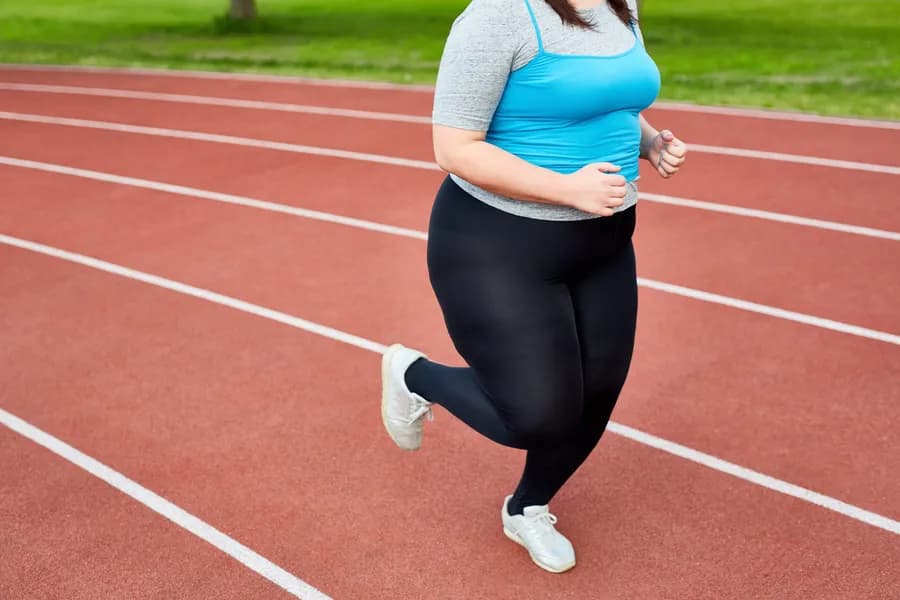
Is Running Good for Weight Loss?
Running burns 400-600 calories an hour and raises your resting metabolic rate, though it often plateaus alone after the first few weeks. See why pairing it with strength training produces lasting results.
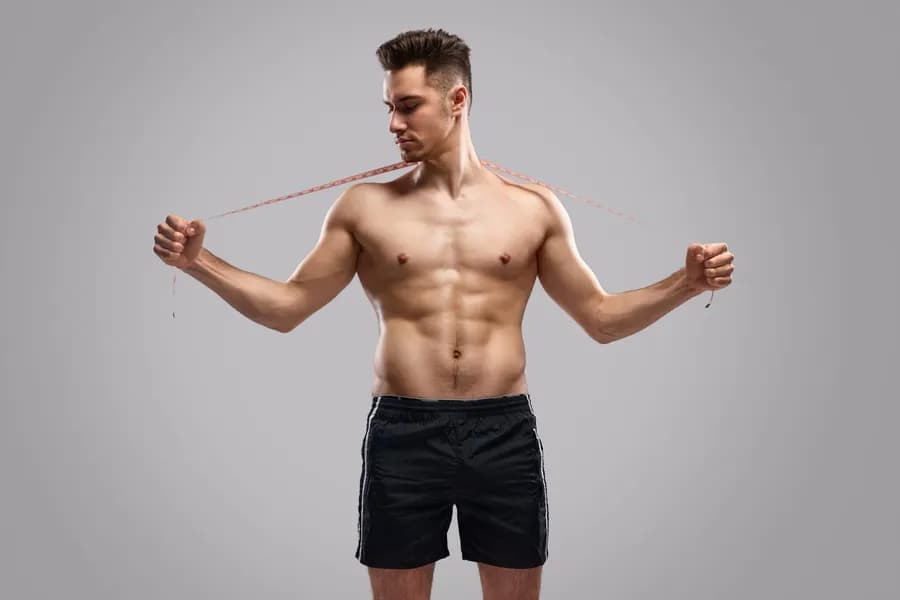
Which Exercise Is Best for Fat Loss?
Resistance training builds the lean muscle that raises resting metabolism, while cardio burns calories during the session itself — together, they draw down stored fat over weeks and months. See the full approach.

Which Exercise Is Best for Belly Fat?
There's no single magic move, but a combination of exercises done consistently works better than anything else. See the practical, no-fluff approach.
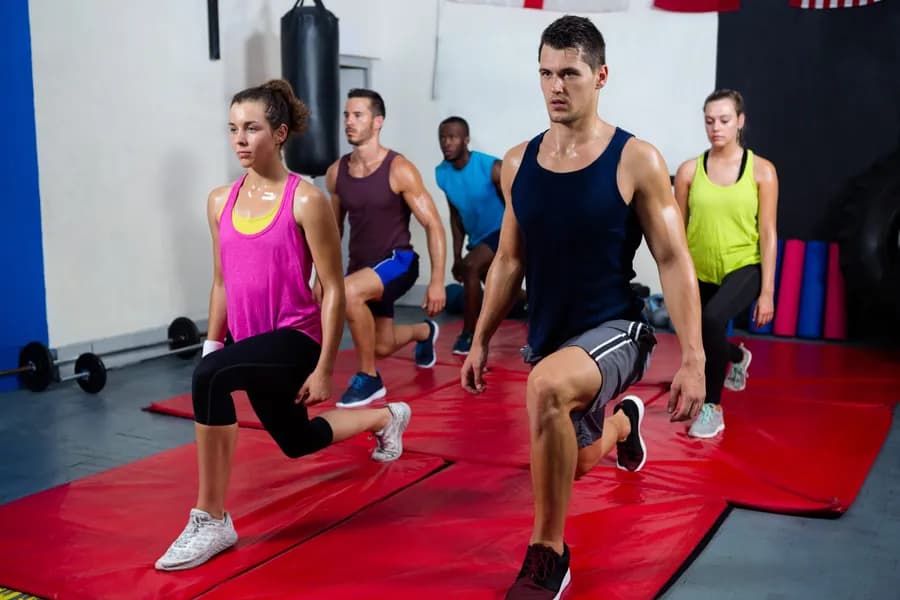
HIIT Workout for Beginners: Benefits, Exercises, and How to Get Started
Short bursts of effort — 20-40 seconds — alternated with rest, repeated across a 20-30 minute session, build cardio fitness and fat loss entirely at home. See the exercises and how to start.
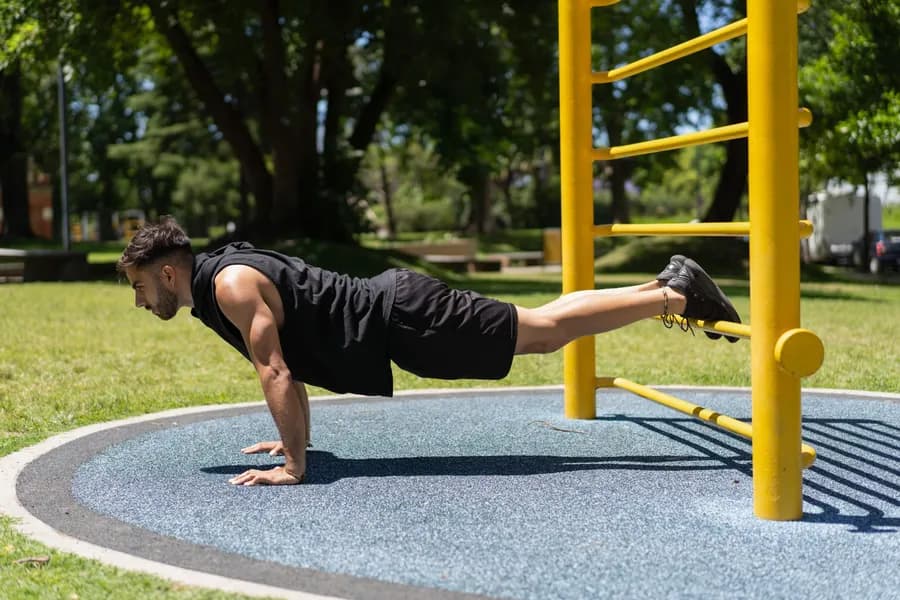
Beginner Bodyweight Workout: The Complete No-Equipment Guide
Squats, push-ups, lunges, planks, and bridges, performed in a structured sequence, build strength and movement quality from the ground up — no gym required. See the complete no-equipment guide.